Trent–Severn Waterway, National historic canal in Ontario, Canada
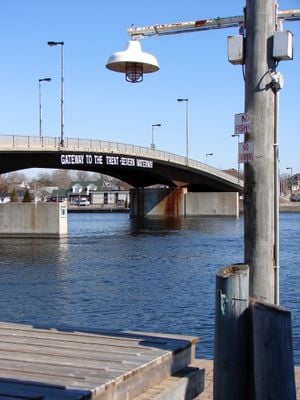
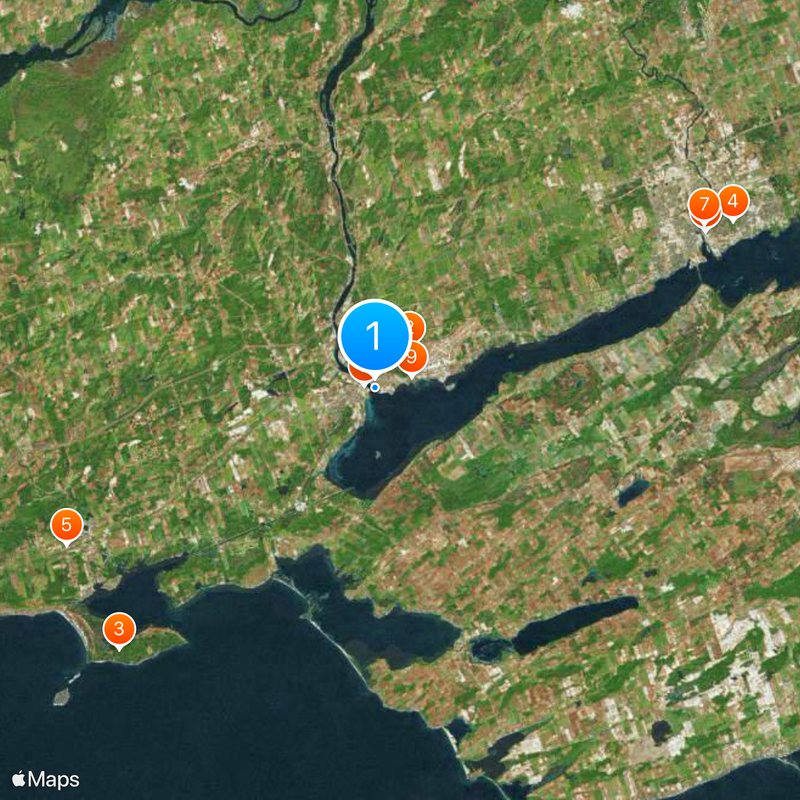
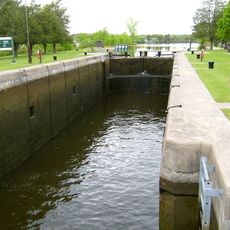
The Trent-Severn Waterway spans 386 kilometers (240 miles) across Ontario, connecting Lake Ontario at Trenton to Georgian Bay through a system of rivers, lakes, and 44 locks. The route passes through forests, wetlands, and rocky rises of the Canadian Shield, climbing and descending several hundred meters in elevation between the two endpoints.
Construction began in 1833 as a military link between the two lakes, but political shifts and the Upper Canada Rebellion in 1837 slowed progress considerably. Completion finally came in 1920, nearly nine decades after the first ground was broken.
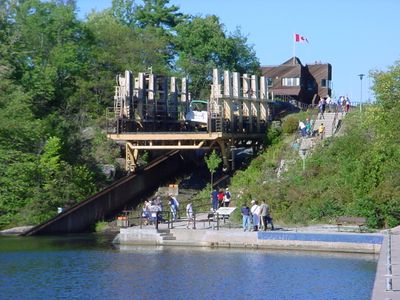
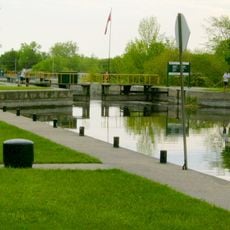
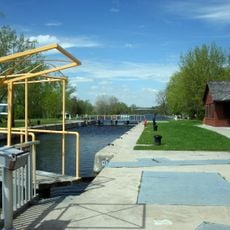
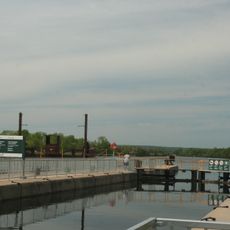
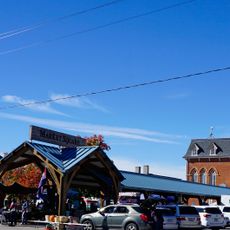
Recreational boaters and canoeists now pass through the locks along the route, while weekend visitors moor in the small harbour towns that line the waterway. On warm summer days, families gather on the lock walls to watch boats slowly rise or descend through the chambers.
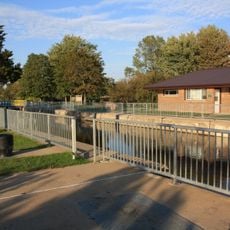
The waterway is typically navigable from May through October, though exact opening dates for individual sections can vary slightly depending on weather conditions. Walking trails and viewing areas at some locks allow visitors on foot to observe the engineering and surrounding landscape up close.
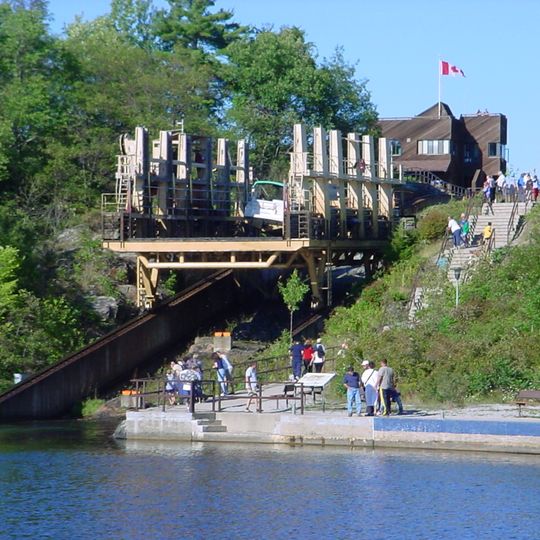
The hydraulic lift locks at Peterborough and Kirkfield are among the few still operating worldwide, raising boats inside huge water-filled tanks. At Big Chute, a marine railway replaces a traditional lock: boats are pulled from the water onto wheeled carriages and transported overland to the next level.
The community of curious travelers
AroundUs brings together thousands of curated places, local tips, and hidden gems, enriched daily by 60,000 contributors worldwide.