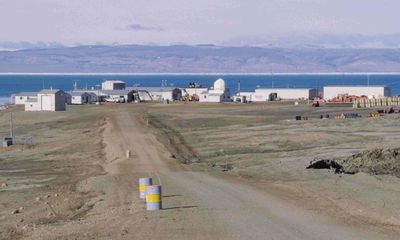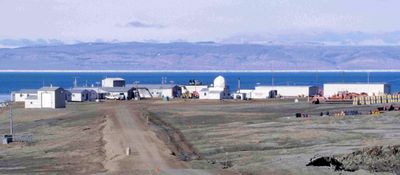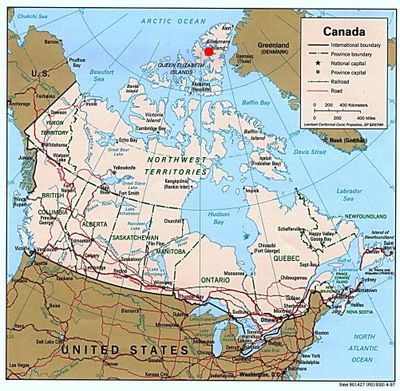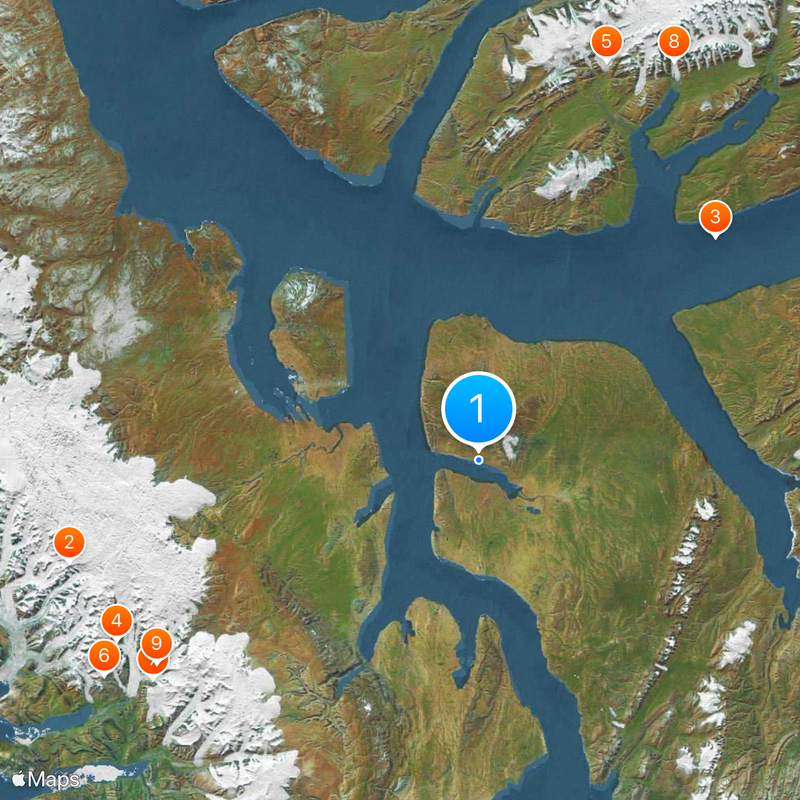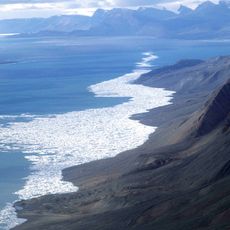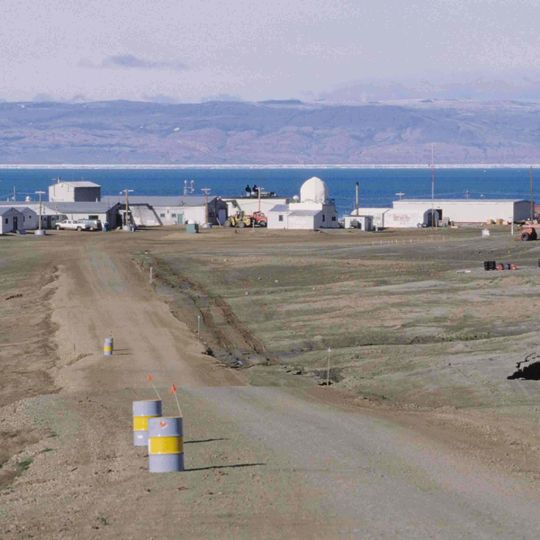
Eureka, Research and weather station in Ellesmere Island, Nunavut, Canada
Eureka is a scientific station on Ellesmere Island in Nunavut, located roughly 1100 kilometers (680 miles) from the North Pole. It is one of the northernmost permanently inhabited settlements on Earth and includes buildings for research, accommodation, and technical facilities.
The station was established in 1947 as a joint project between Canada and the United States to gather weather data from the high Arctic. It has since been expanded several times to support additional scientific programs and environmental research.
The station takes its name from the Greek exclamation for discovery, and the small crew often lives for months without direct contact with the outside world. Despite the isolation, residents maintain routines such as shared meals and movie nights to endure the long dark winter.
Access is only possible by aircraft, with supply flights scheduled according to weather conditions and season. Visitors must be approved in advance and require an invitation from the research facility or the Canadian government.
The location is among the driest places on Earth, as extremely cold air can hold very little moisture. Despite the proximity to the polar ocean, precipitation is lower than in some deserts, keeping the landscape barren and rocky.
The community of curious travelers
AroundUs brings together thousands of curated places, local tips, and hidden gems, enriched daily by 90,856 contributors worldwide.