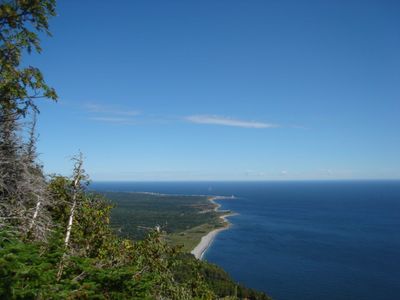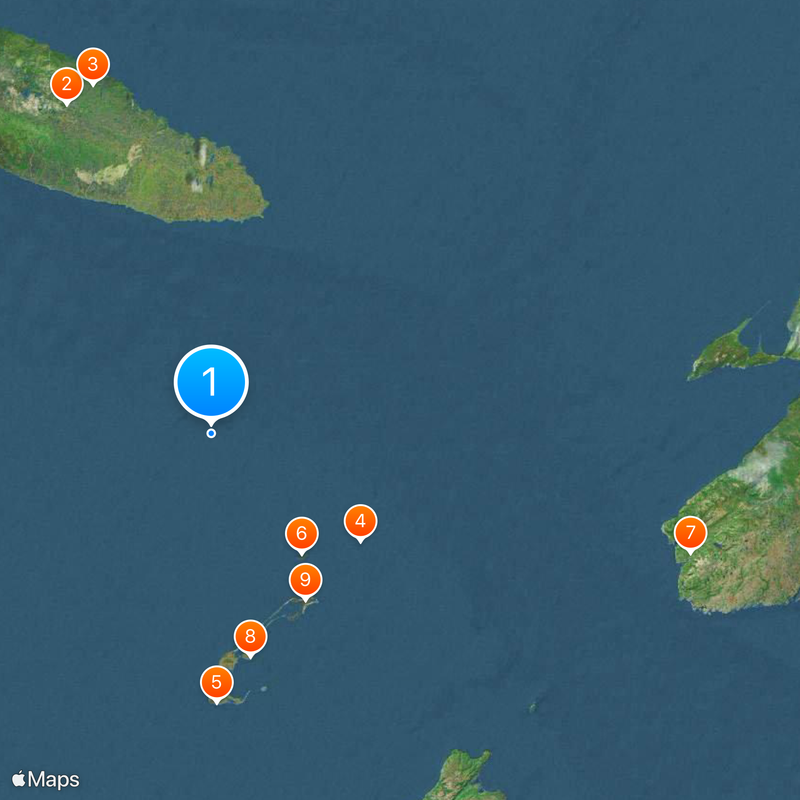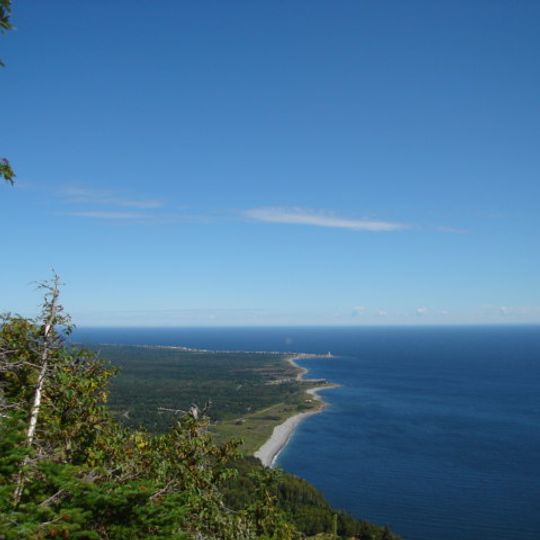
Gulf of Saint Lawrence, Marine estuary in Eastern Canada
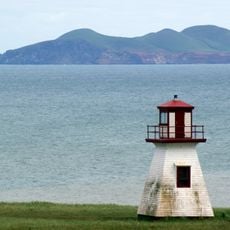
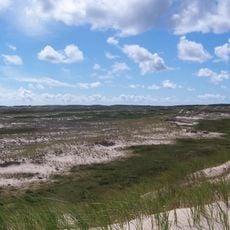
The Gulf of Saint Lawrence is a large marine body in Eastern Canada that connects five provinces to the Atlantic Ocean through various waterways and straits. The gulf features complex tidal currents, numerous river outlets, and diverse seafloor depths that shape its waters.
French explorer Jacques Cartier sailed these waters in 1534, opening European interest in a region that Indigenous peoples had inhabited for many centuries before. This encounter marked the beginning of transformative changes for the gulf's human communities.
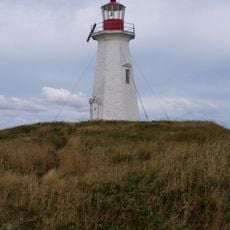
Fishing communities dotting the shoreline practice traditions that shape daily life, with families relying on the sea for their livelihood and identity.
The waters freeze into ice from December through February, affecting navigation and coastal transportation during winter months. Visitors should plan their visit according to seasonal conditions, as access and maritime activities vary greatly throughout the year.
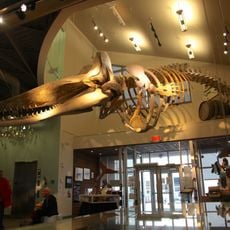
The gulf is home to thirteen whale and cetacean species, including blue whales, belugas, and North Atlantic right whales, making it a globally important habitat. This diversity offers visitors rare chances to witness these marine mammals in their natural environment.
The community of curious travelers
AroundUs brings together thousands of curated places, local tips, and hidden gems, enriched daily by 91,950 contributors worldwide.