Nova Scotia, Maritime province in Atlantic Canada.
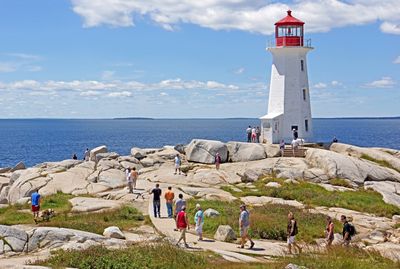
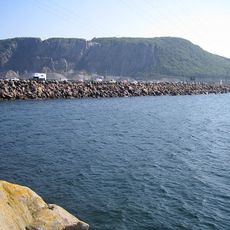
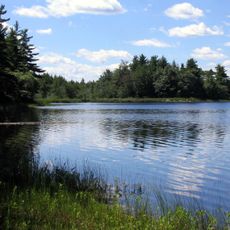
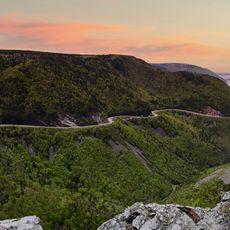
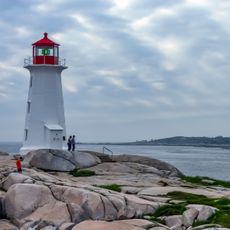
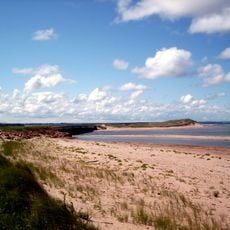
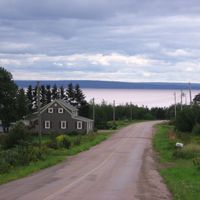
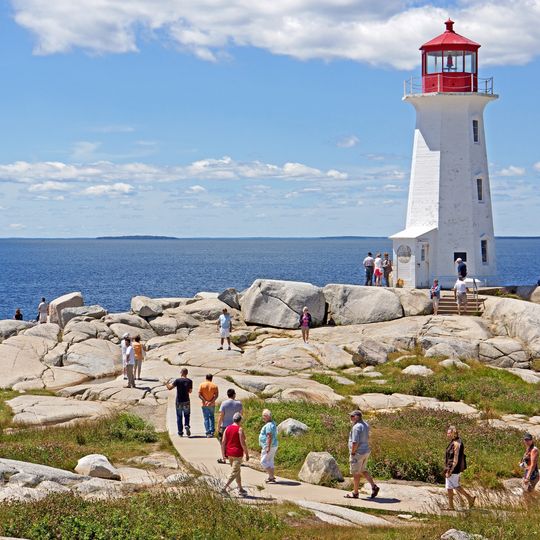
Nova Scotia is a province in Atlantic Canada whose territory extends as a peninsula into the Atlantic with more than 7,400 kilometers of coastline. Numerous bays and natural harbors shape the rugged coastal landscape, while the interior is crossed by rolling hills and forests.
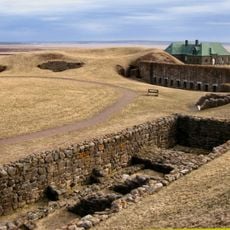
The territory changed from French Acadia to British Nova Scotia through the Treaty of Utrecht in 1713. This shift led to the expulsion of many French-speaking inhabitants and the settlement of British and German colonists in the following decades.
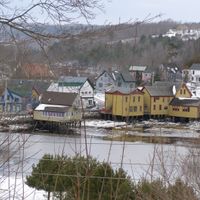
The territory shows Celtic roots through fiddle music, square dances, and Scottish Highland traditions, especially on Cape Breton Island. Fishing villages along the coast keep maritime ways of life that visitors can experience at harbor festivals and in boat workshops.
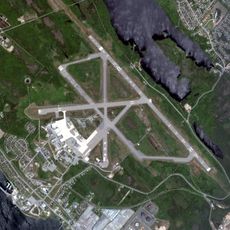
Halifax Stanfield Airport connects the territory with direct flights to Europe, the United States, and major Canadian cities throughout the year. Drivers reach coastal towns and national parks on well-maintained roads, though distances between main areas can require several hours of travel.
The Bay of Fundy experiences the highest tides on Earth, with water levels rising and falling up to 16 meters (52 feet) twice each day. At low tide these tides expose the ocean floor and create landscapes that change completely within a few hours.
The community of curious travelers
AroundUs brings together thousands of curated places, local tips, and hidden gems, enriched daily by 90,829 contributors worldwide.