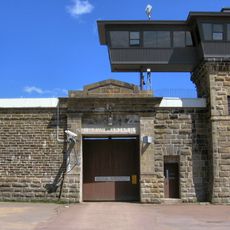
Fort Beauséjour, Military museum in Point de Bute, Canada.
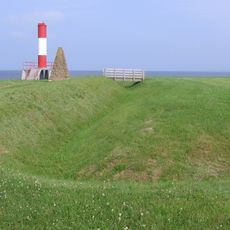
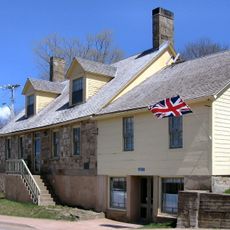
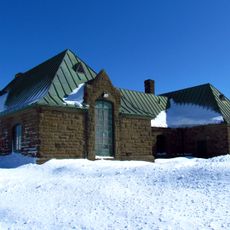
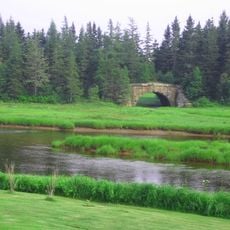
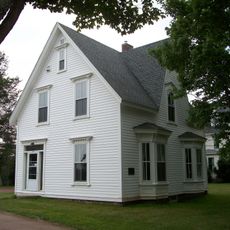
Fort Beauséjour is a five-sided fortification built on the Chignecto isthmus between New Brunswick and Nova Scotia. Its earthen ramparts and stone foundations reveal how military structures were constructed during the colonial era.
In November 1750 Governor La Jonquière ordered a fort at each end of the Chignecto isthmus; construction of Fort Beauséjour began in April 1751 under Lieutenant Gaspard-Joseph Chaussegros de Léry and was never fully finished. On 3 June 1755 Robert Monckton's British force attacked; after two weeks the outnumbered French surrendered and the fort became Fort Cumberland. In 1776 British troops repulsed American sympathisers there.
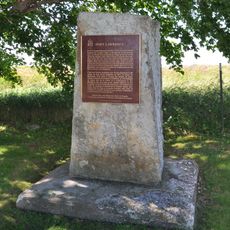
The fort appears in Claude Le Bouthillier's poetry collection La terre tressée. Its name survives in the dual designation Fort Beauséjour – Fort Cumberland National Historic Site, adopted in 1920, and the site draws about 6,000 visitors a year.
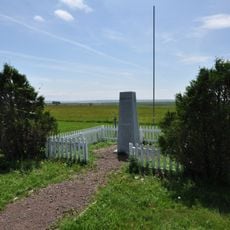
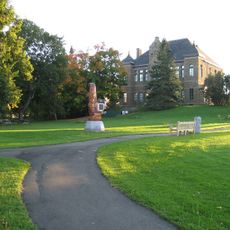
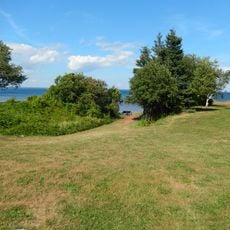
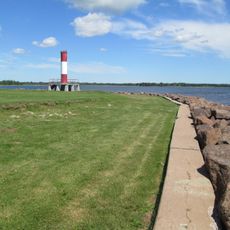
Walking paths circle the fortification, offering different viewpoints from the ramparts and outworks. Information panels at key locations help visitors understand the layout, and the open grounds make self-guided exploration straightforward.
Thomas Pichon, a clerk at the fort, sold information, fort plans and a capture outline to the British commandant at Fort Lawrence, and advised delaying repairs by claiming no attack would come that year. Lieutenant-Colonel Robert Monckton used his reports in the 1755 assault. Commander Vergor was described by his own secretary as "avaricious in the extreme".
The community of curious travelers
AroundUs brings together thousands of curated places, local tips, and hidden gems, enriched daily by 94,232 contributors worldwide.