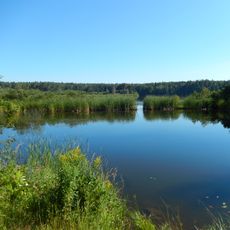
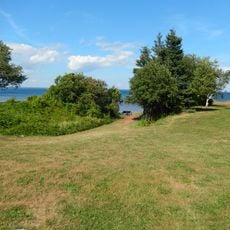
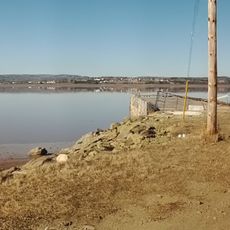
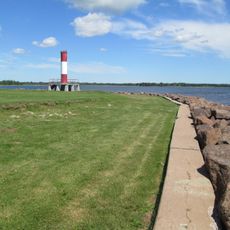
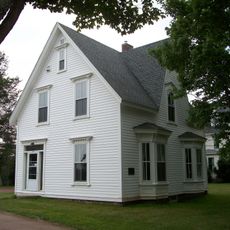
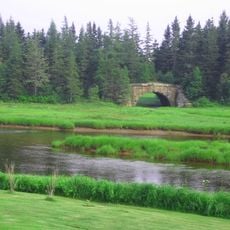
Fort Lawrence, National Historic Site in Cumberland County, Canada.
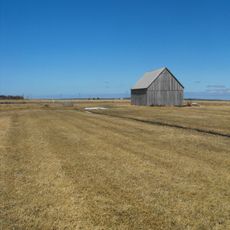
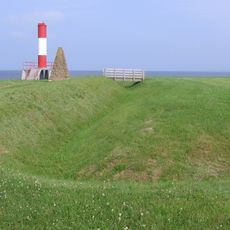
Fort Lawrence is a national historic site located on a ridge in Nova Scotia where British soldiers built a defensive structure in 1750. The remains now sit partially beneath a modern dairy farm, though ongoing archaeological work continues to uncover military artifacts and structural elements from the colonial period.
In 1750 Major Charles Lawrence's force returned to Beaubassin after the Battle at Chignecto and built a palisade fort on the ridge east of the Missaguash River, within sight of Fort Beauséjour; Captain John Handfield completed it. On 4 June 1755 Robert Monckton led British regulars and New England militia from Fort Lawrence against Fort Beauséjour, which surrendered by 16 June. The fort was razed by fire on 12 October 1756.
The fort's name honours Charles Lawrence, the British officer who ordered its construction in 1750 and later, as governor, authorized the Acadian expulsion in 1755. Acadian men were imprisoned here, including Joseph Broussard (Beausoleil), who escaped with other prisoners on 1 October 1755. The site is now a national historic site, and artifacts from excavations are displayed at Fort Beauséjour.
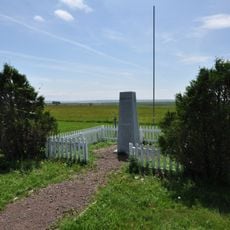
The site is open for visits, though the fort itself lies mostly hidden beneath agricultural land, so visible structures are limited. Interpretive markers and information panels on location help explain the buried layout and ongoing discoveries from excavation work.
The most famous Acadian imprisoned at Fort Lawrence was Joseph Broussard, called Beausoleil. On 1 October 1755 the Acadian prisoners held there escaped, and Broussard was among them. The fort was burned on 12 October 1756 so that escaped Acadians hiding in nearby forests could not use it as shelter.
The community of curious travelers
AroundUs brings together thousands of curated places, local tips, and hidden gems, enriched daily by 92,638 contributors worldwide.