Beaubassin, National historic site in Cumberland County, Canada
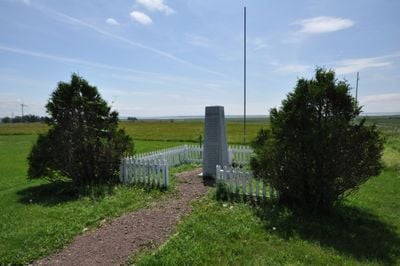
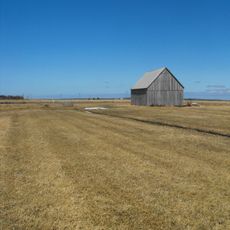
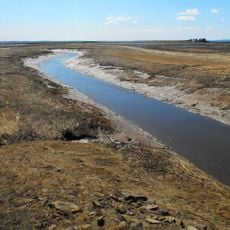
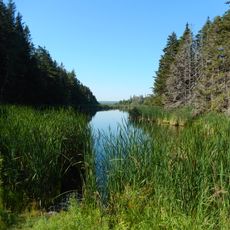
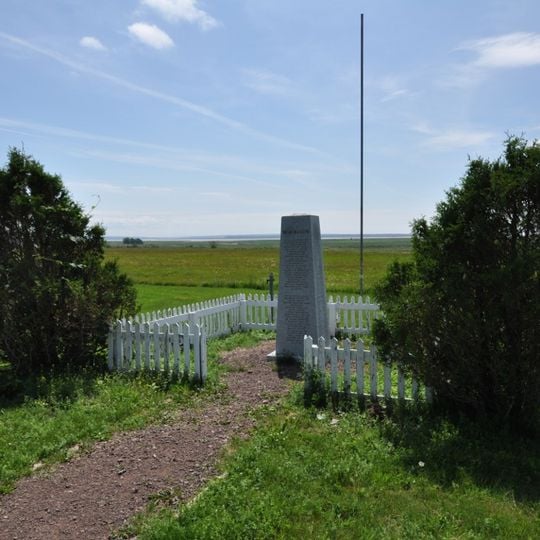
Beaubassin is a national historic site and archaeological site in Cumberland County, Nova Scotia, set across open fields and marshland crossed by a railway line at Fort Lawrence Ridge. The ground preserves the traces of a former Acadian settlement, including cellar remains, structural outlines, and scattered objects that together map out how the community was once laid out.
Acadian settlers founded the community in 1672 under Jacques Bourgeois, and it gradually became a key trading point linking Nova Scotia with New England. In 1750, the residents themselves burned their own buildings to prevent British forces from using them, which put a definitive end to the settlement.
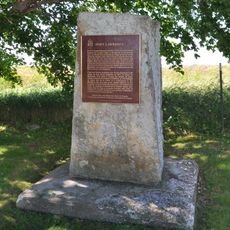
Cellar remains and everyday objects found on the site show how residents organized their homes and maintained trade connections with distant communities. Walking through the site today, visitors can read interpretive signs that link these physical traces to the daily routines of the people who lived here.
The site can be visited on foot, and interpretive signs posted throughout help orient visitors to different areas of the former settlement. Paths cross uneven ground and can be wet, so sturdy footwear is a good idea, especially after rain.
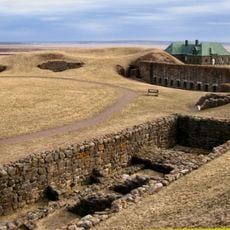
The nearby British Fort Lawrence was built directly in response to the residents burning their own village, making the two sites historically linked in a way that is still visible in the landscape today. Standing at Beaubassin, visitors can look across to where the fort once stood, connecting both stories in a single view.
The community of curious travelers
AroundUs brings together thousands of curated places, local tips, and hidden gems, enriched daily by 92,641 contributors worldwide.