Cape Breton Highlands National Park, National park in Nova Scotia, Canada
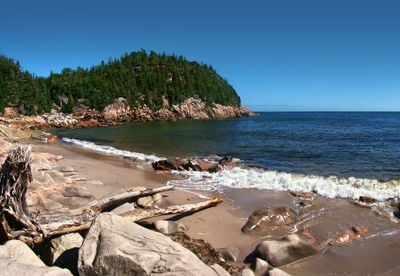
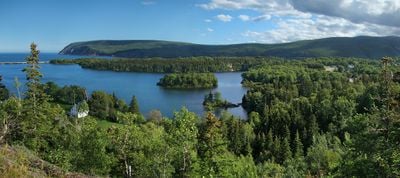
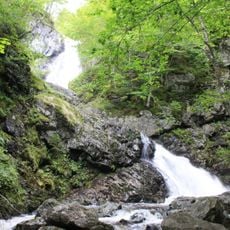
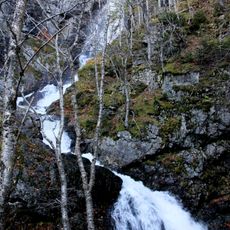
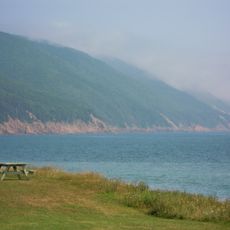
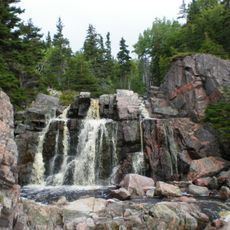
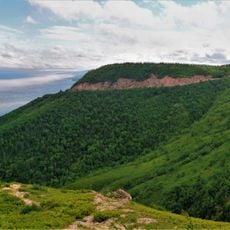
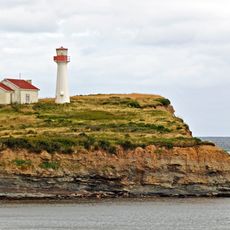
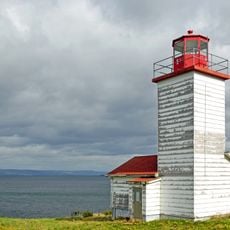
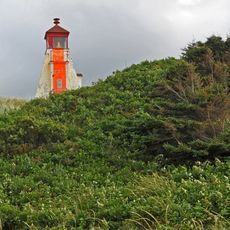
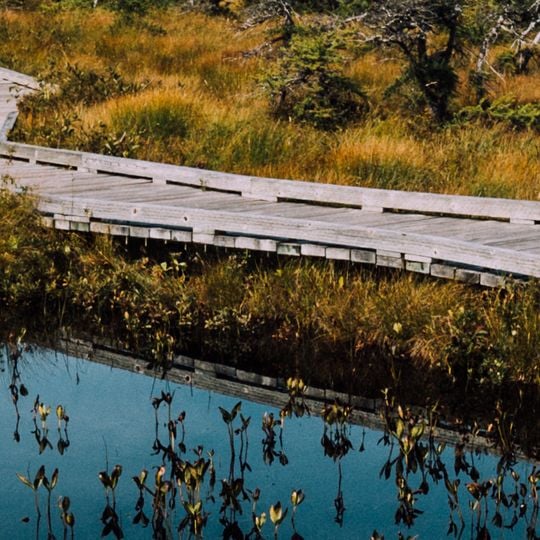
Cape Breton Highlands is a protected area in Inverness County and Victoria County, Nova Scotia, stretching across mountains, valleys, waterfalls, and rocky coastlines at the northern tip of Cape Breton Island. The landscape shifts between dense inland forests and open sea cliffs where wind and waves have shaped the rocks.
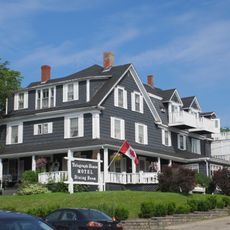
The park was the first national park in Canada's Atlantic provinces, covering 948 square kilometres of the northern Cape Breton Island plateau. Its geology records terrane collisions: the Cameron Brook Pluton, a 402-million-year-old granodiorite, is exposed along the Cabot Trail between Ingonish Beach and Ingonish, while the Keltic Lodge on Middle Head sits on 493-million-year-old granite and 550-million-year-old diorite. Between 1947 and 1948, Parks Canada moved eighteen western moose from Elk Island National Park in Alberta here; all moose on the island descend from them.
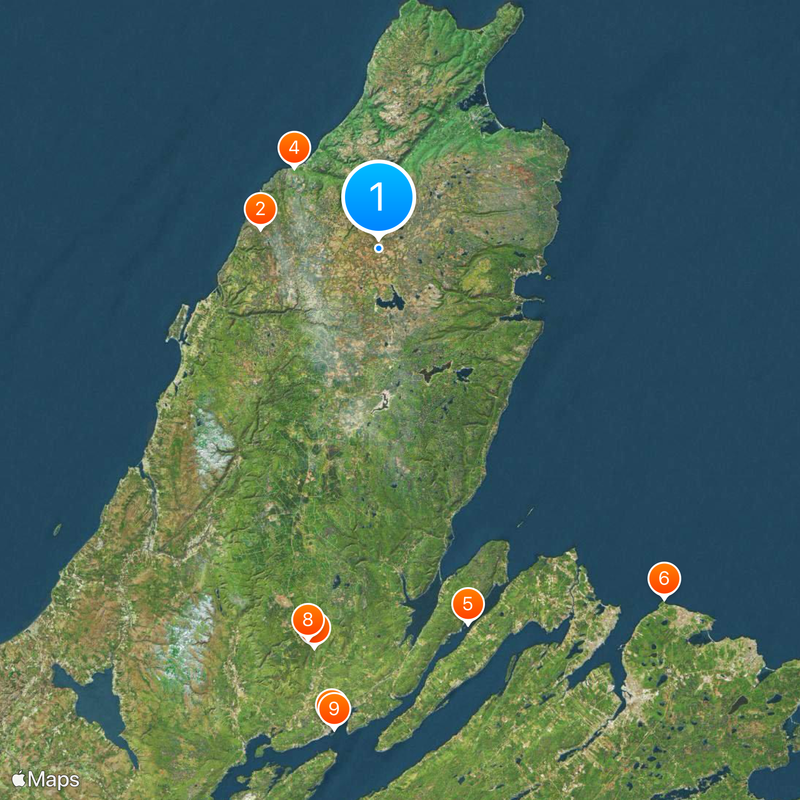
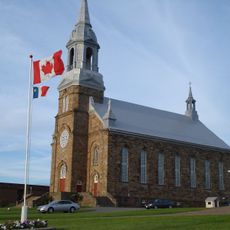
The western entrance sits near Chéticamp, an Acadian village where residents have preserved French-Canadian traditions across generations. Daily life here often unfolds in French, and local craft shops display wool work and hooked rug making.
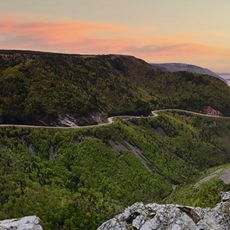
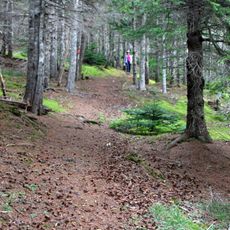
The Cabot Trail runs through roughly one-third of the territory and provides access to 26 marked hiking trails and several camping areas. Trails remain mostly accessible in summer, while fog can limit visibility along coastal sections during autumn.
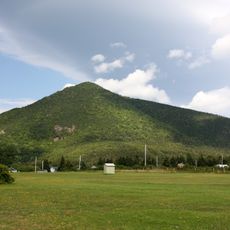
The territory contains White Hill, which reaches 533.5 meters (1750 feet) above sea level and marks the highest point in Nova Scotia. From the summit, views extend across much of the island and the surrounding ocean.
The community of curious travelers
AroundUs brings together thousands of curated places, local tips, and hidden gems, enriched daily by 93,796 contributors worldwide.