80th parallel north, circle of latitude
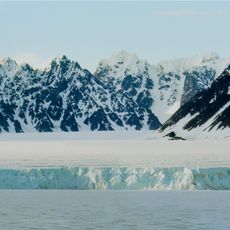
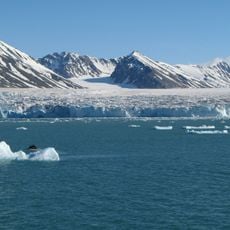
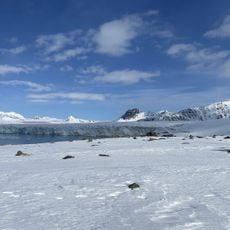
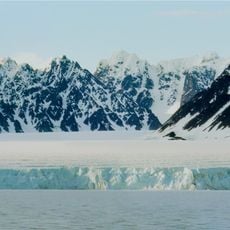
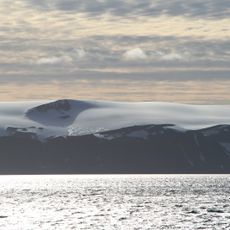
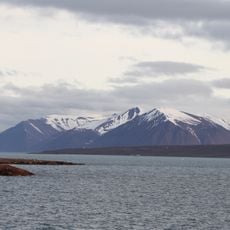
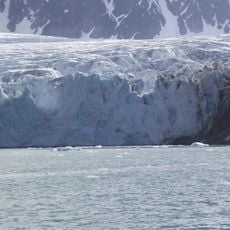
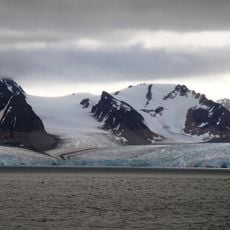
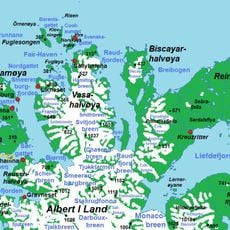
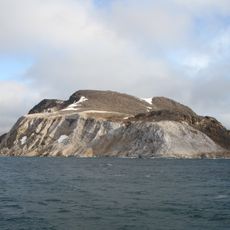
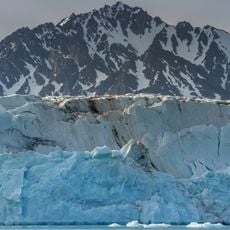
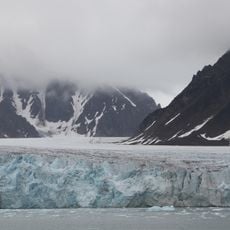
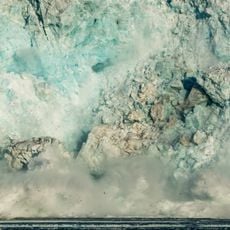
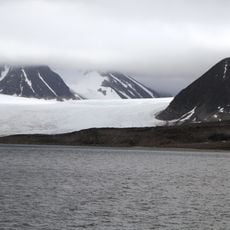
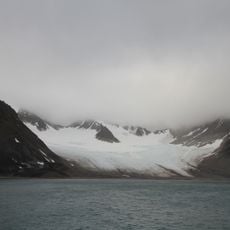
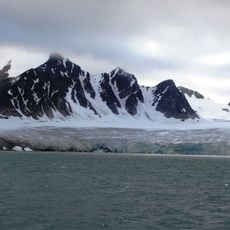
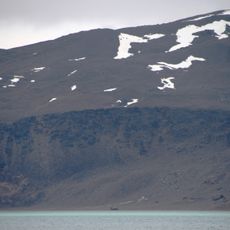
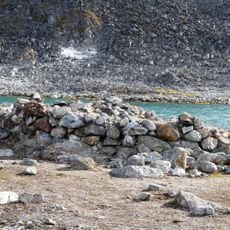
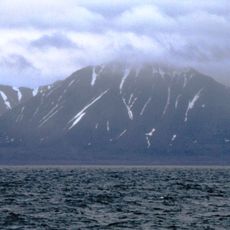
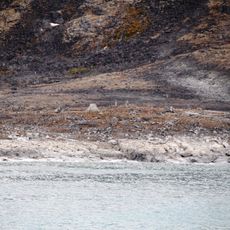
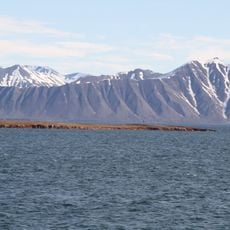
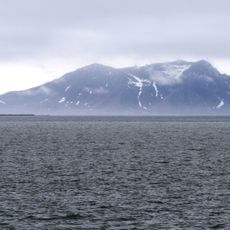
The 80th parallel north is a circle of latitude running 80 degrees north of the equator, passing through Canada, Russia, and Norway. The landscape here is dominated by snow and ice, with mostly flat terrain broken only by glaciers and frozen seas that persist year-round.
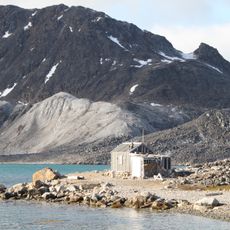
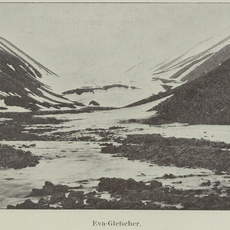
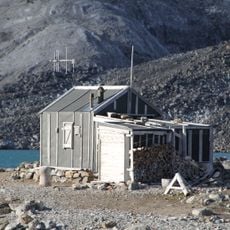
Early explorers crossed this latitude while seeking the North Pole and studying the polar environment during the 19th and early 20th centuries. Today, research stations operate near this line to monitor climate changes and ice patterns, using modern technology to understand Arctic systems.
The 80th parallel passes through regions with different ways of life shaped by the Arctic climate. In Canada, Inuit communities and other Arctic peoples have adapted to harsh conditions through hunting, fishing, and making tools suited to icy environments. Scientists and explorers who work here often collaborate across nations, sharing knowledge about the polar world.
Traveling to the 80th parallel requires specialized equipment and experienced guides due to extreme cold and dangerous conditions. Most visitors arrive by ship or plane from southern regions, and access may be restricted to protect the environment or ensure safety in this remote location.
On Arctic cruises, crossing the 80th parallel is marked with a shipboard celebration where passengers gather to toast and cheer this geographic milestone. Many visitors receive certificates afterward as proof they have reached this remote latitude.
The community of curious travelers
AroundUs brings together thousands of curated places, local tips, and hidden gems, enriched daily by 92,524 contributors worldwide.