Atlantic Canada, Geographic region on eastern coast of Canada
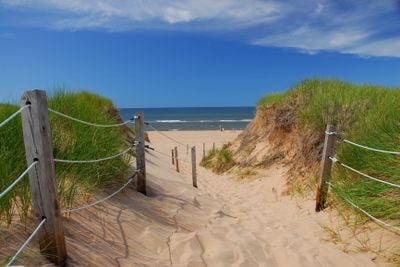
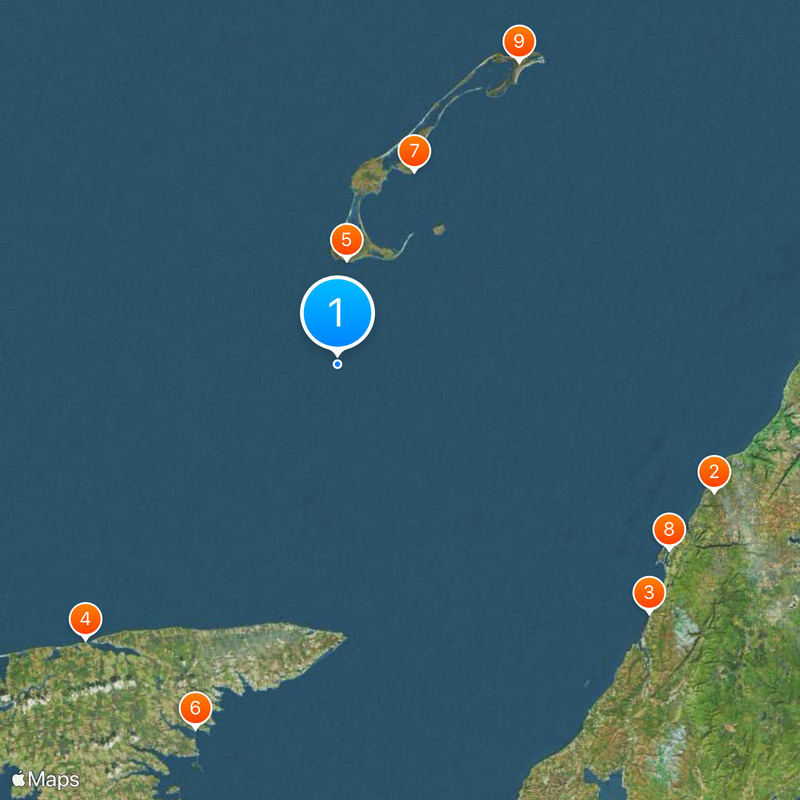
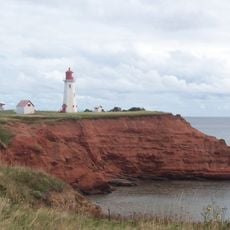
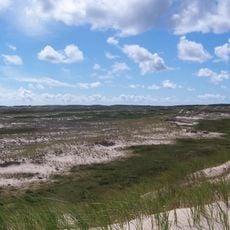
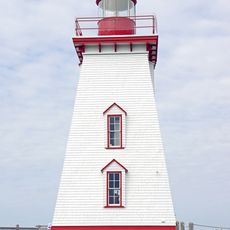
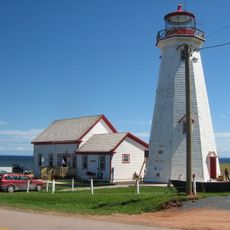
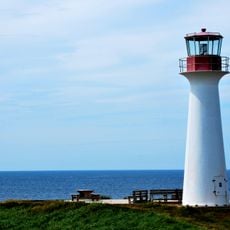
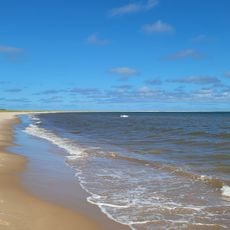
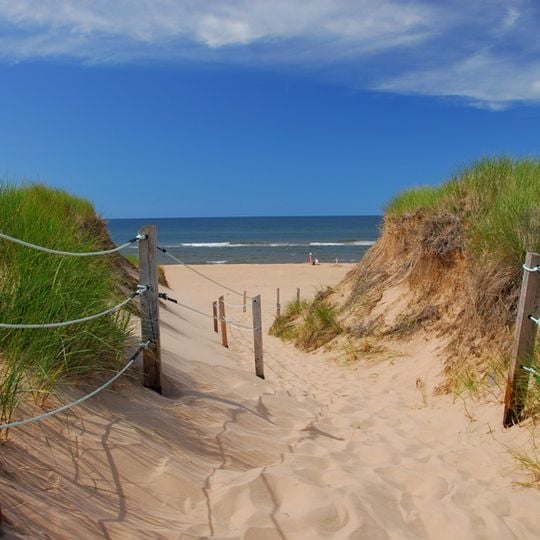
This eastern region covers New Brunswick, Newfoundland and Labrador, Nova Scotia, and Prince Edward Island, four provinces sitting between the Gulf of St. Lawrence and the Atlantic Ocean. The area features long coastlines that extend across the entire territory, forming bays, peninsulas, and offshore islands.
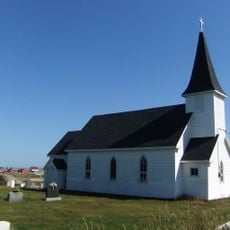
Norse seafarers reached the territory around the year 1000, long before other European groups arrived and settled permanently. French and British settlers established colonies from the early 17th century onward, which later formed the boundaries of today's provinces.
The Mi'kmaq, Naskapi, Beothuk, and Nunatsiavut peoples established the primary cultural foundations of Atlantic Canada before European contact and maintain their heritage.
Weather changes quickly along the coast, so it helps to be ready for shifting conditions. Traveling between provinces takes time, so plan for longer distances than you might expect.
The Bay of Fundy, which sits between Nova Scotia and New Brunswick, holds the highest tides in the world, with water rising and falling more than 50 feet (16 meters) between high and low tide. The ocean floor gets exposed at low tide, revealing a landscape that changes completely twice a day.
The community of curious travelers
AroundUs brings together thousands of curated places, local tips, and hidden gems, enriched daily by 92,665 contributors worldwide.