Carillon Canal, Historic canal in Saint-André-d'Argenteuil, Canada.
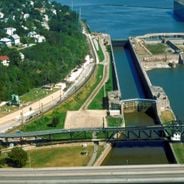
The Carillon Canal runs alongside the Ottawa River with a lock system managing a vertical drop of 20 meters between water levels. The structure stretches for several kilometers and allows boats to navigate the significant elevation change.
The Carillon Canal was built as part of a military supply route conceived during the War of 1812, when attacks along the Saint Lawrence threatened links between Kingston and Montreal. Work on the Ottawa River canals began at Grenville in 1818 under Captain Henry Vernet; the Carillon lock remains date from 1830–1833, and the full network of 11 locks was finished around 1843. Enlarged between 1873 and 1882, the canal was designated a National Historic Site in 1929.
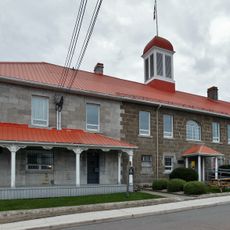
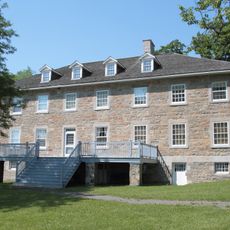
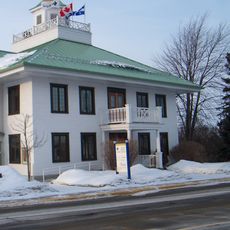
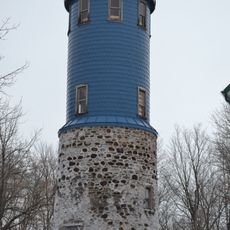
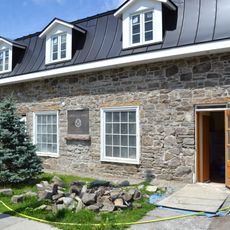
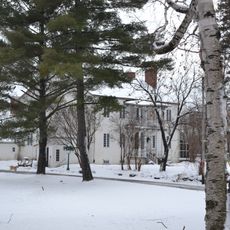
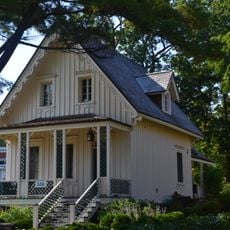
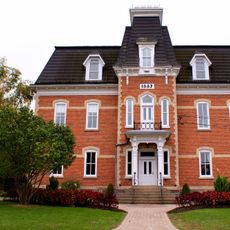
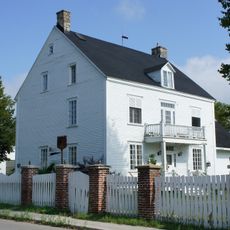
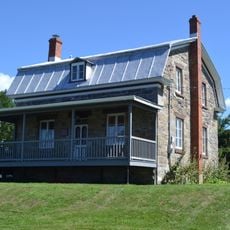
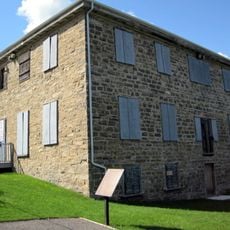
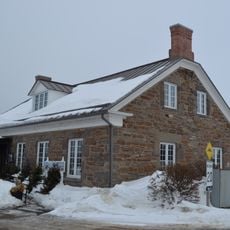
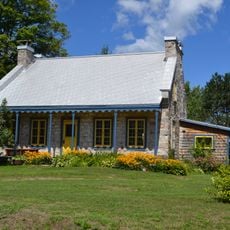
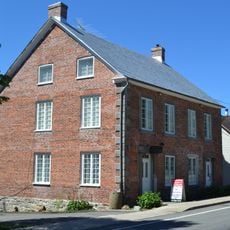
The Carillon Barracks, a stone building on the site, now holds the Regional Argenteuil Museum. Its displays cover the canal's role in moving timber and goods on the Ottawa River and the people who worked the locks. The superintendent's and toll collector's houses also stand nearby.
The site is open to visitors from late spring through early fall when boats can pass through the locks. Keep in mind that vessels navigate only during daylight hours and Parks Canada manages navigation services.
The modern lock opened in 1963 beside the Carillon hydroelectric dam, replacing the 19th-century canal route. Its construction raised the Ottawa River by over 19 metres at Carillon, flooding the Long-Sault rapids that the original canal had been built to bypass. The old lock No. 1 remains visible as ruins.
The community of curious travelers
AroundUs brings together thousands of curated places, local tips, and hidden gems, enriched daily by 93,794 contributors worldwide.