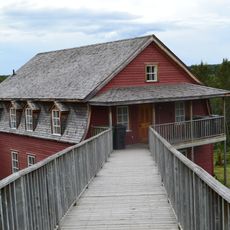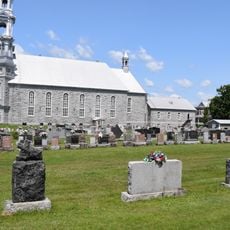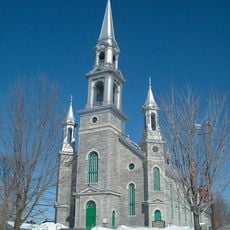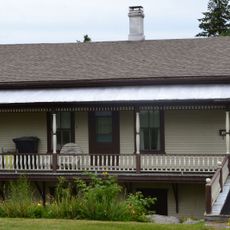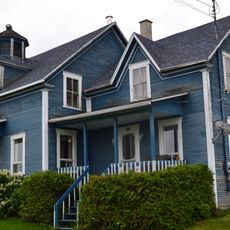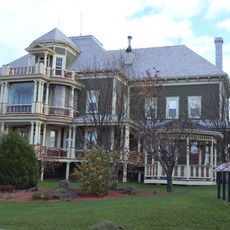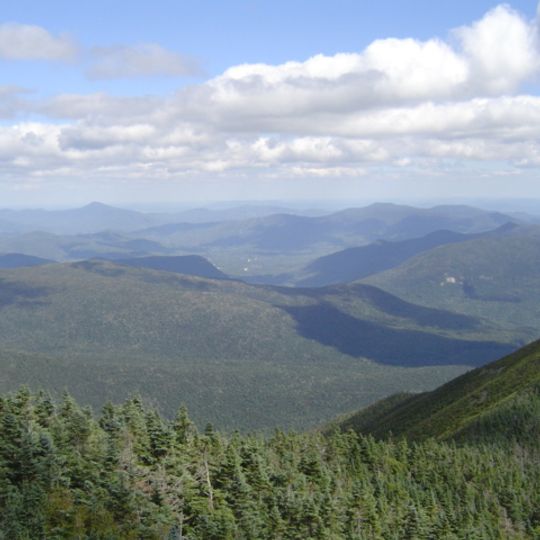
New England/Acadian forests, Temperate broadleaf forest across New England, New York State, Quebec and Maritime Provinces, North America.
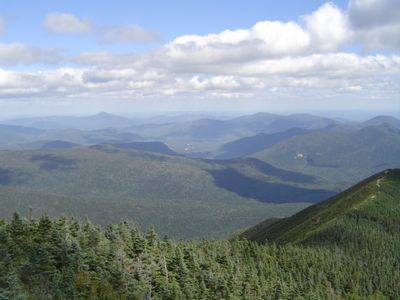
The New England-Acadian forests form a temperate broadleaf and mixed forest ecoregion across hills, mountains and plateaus of New England, New York, southern Quebec and the Maritime Provinces. Red pine and red spruce distinguish its transition forests from those of the Great Lakes region. The canopy is unbroken, with conifers rising as pointed crowns above a textured carpet of green and gray-green foliage on rounded ridges.
By the 19th century the forests of this ecoregion had been radically cleared for farmland. Many of those farms were then abandoned as people migrated westward, and trees renewed the land. The result today is largely a mosaic of habitats shaped by local micro-climates and ecological disturbances.
In Canada the ecoregion is increasingly called the Wabanaki-Acadian Forest, a name honouring the indigenous inhabitants who never ceded their territories when Acadians and New Englanders arrived. The same forest type carries different names on either side of the border.
Several protected areas including Baxter State Park in Maine and Cape Breton Highlands National Park in Nova Scotia preserve sections of the original woodland. Visitors can access these parks during warmer months and explore established trails through the forest.
In Canada the ecoregion is increasingly called the Wabanaki-Acadian Forest, a name honouring the indigenous inhabitants who never ceded or surrendered their traditional territories when Acadians and New Englanders arrived. The same forest type carries two names depending on which side of the border it is described from.
The community of curious travelers
AroundUs brings together thousands of curated places, local tips, and hidden gems, enriched daily by 94,607 contributors worldwide.