Atlantic Northeast, Geographic region in northeastern North America.
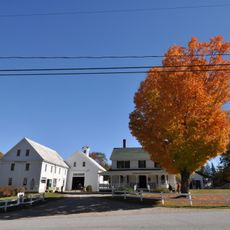
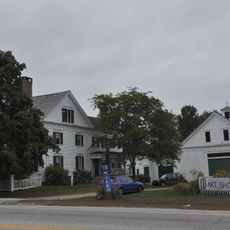
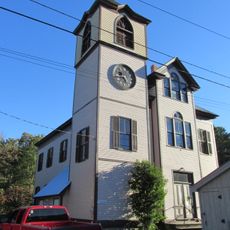
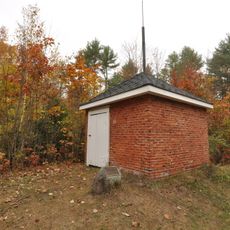
The Atlantic Northeast spans from New England to the Maritime provinces and is defined by the Appalachian Mountains, the Gulf of Maine, and the Bay of Fundy. These mountains and waterways create a landscape where dense forests meet rugged coastlines, with river valleys cutting through the terrain.
The region was the site of early European colonization in North America, beginning in the early 17th century when French and English settlers arrived. These early settlements established the foundation for the present-day division between United States and Canadian territories.
Indigenous peoples such as the Abenaki, Penobscot, Mi'kmaq, Maliseet, and Passamaquoddy shaped this territory over thousands of years, and their influence remains visible in place names, traditions, and local practices. Their way of life was closely tied to the forests, rivers, and coastal areas, which still shapes how people interact with the land today.
The region experiences four distinct seasons, with summer temperatures around 27-29°C (80-85°F) and winter drops to around -4°C (25°F), affecting what activities and travel modes work best. Spring and fall are transition seasons with changeable weather, so planning ahead helps visitors prepare appropriately.
The Gray Zone between New Brunswick and Maine remains disputed territory between Canada and the United States, covering both land and maritime areas. This area illustrates how historical treaties left some boundary questions unresolved, affecting how both countries claim and manage these spaces today.
The community of curious travelers
AroundUs brings together thousands of curated places, local tips, and hidden gems, enriched daily by 60,000 contributors worldwide.