Former Shawinigan Aluminum Smelting Complex, National historic site and heritage complex in Shawinigan, Canada.
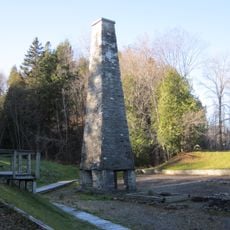
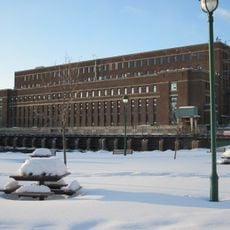
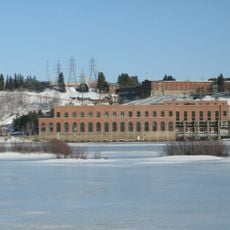
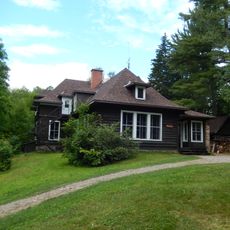
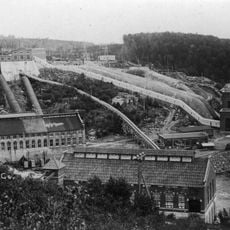
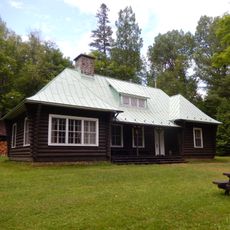
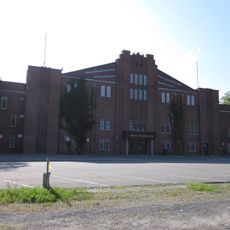
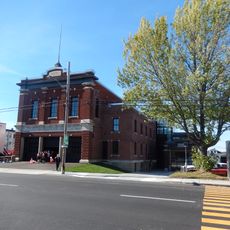
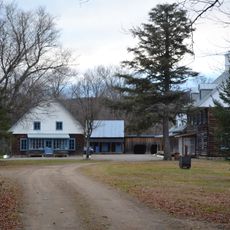
The Shawinigan smelting complex consists of twelve brick structures positioned on elevated terrain overlooking the Saint-Maurice River. The buildings preserve the original industrial layout with production halls, storage areas, and administrative spaces that show the scale of early metal manufacturing.
In 1899 the Shawinigan Water and Power Company signed a supply contract with the Pittsburgh Reduction Company, which began building the smelter in spring 1900 under engineer Edwin Stanton Fickes. A foundry and a potroom went up in 1900-1901, and the first Canadian aluminium ingot was cast on 20 October 1901. Primary metal production stopped in 1944, and the cable works closed in 1986.
The site's name survives in the Northern Aluminium Company, the Canadian subsidiary created in 1902, which became Aluminium Company of Canada Limited (Alcan) in 1925. From the early 1930s the plant specialised in aluminium cable, and cable-making continued until 1986, long after primary metal production stopped in 1944.
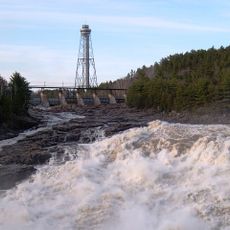
The complex stands on a flat plateau above the Saint-Maurice River, near Shawinigan Bay and the falls; the level ground allowed both the factory and its railway to be built. Since 2003 the restored buildings have opened as Espace Shawinigan, hosting exhibitions and events. Visitors move between twelve separate buildings, so allow time to walk the grounds.
The first aluminum ingot cast in Canada was poured here on 20 October 1901 and shipped to New Glasgow, Nova Scotia. The plant's 32 Hall-type pots soon settled at about 900 kg of metal per day.
The community of curious travelers
AroundUs brings together thousands of curated places, local tips, and hidden gems, enriched daily by 94,308 contributors worldwide.