Musée minéralogique de l'Abitibi-Témiscamingue, Mineralogy museum in Canada
The musée minéralogique de l'Abitibi-Témiscamingue is a museum in Malartic dedicated to mineral specimens from the region. The exhibits display rock types and minerals found in the local landscape, organized to help visitors understand the geological variety.
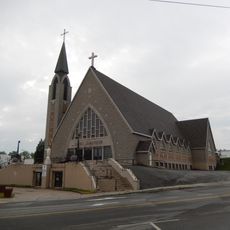
Founded in 1972 by a group of volunteer miners with local organizations, the museum first occupied a disused church. A new building was inaugurated in 1979 with support from Quebec's Ministry of Cultural Affairs. From 1984 it focused exclusively on mining, and in 1995, after the opening of the Cité de l'or in Val-d'Or, it turned to mineralogy.
The museum displays mineral specimens that shaped the region's identity and way of life. These collections help visitors understand the geological foundation that influenced how people here developed their communities.
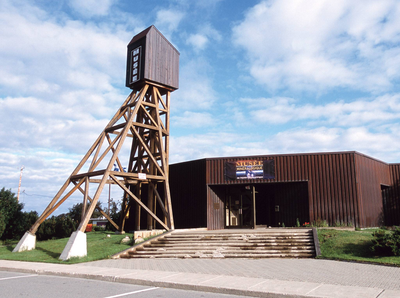
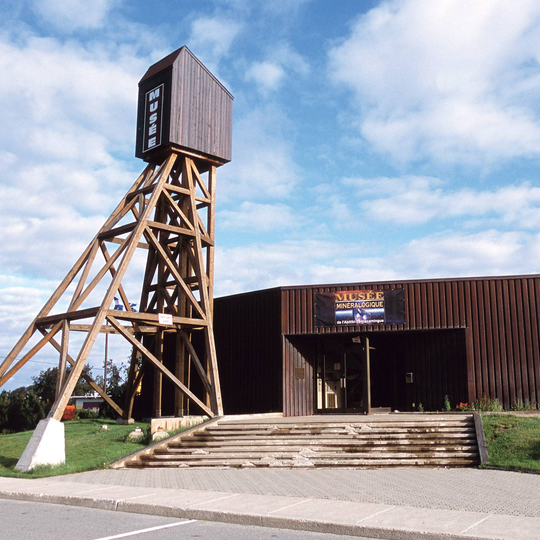
The museum occupies a building inaugurated in 1979, reached by a wide concrete stair leading up to the recessed entrance; the wooden headframe outside carries a "MUSÉE" sign. Inside are four permanent exhibition rooms plus a temporary gallery. The museum also arranges guided visits of the Canadian Malartic open-pit mine site.
The museum focuses specifically on minerals extracted from this area, showing direct connections to the mining operations that shaped the town. This local focus sets it apart from larger natural history museums elsewhere.
The community of curious travelers
AroundUs brings together thousands of curated places, local tips, and hidden gems, enriched daily by 94,624 contributors worldwide.