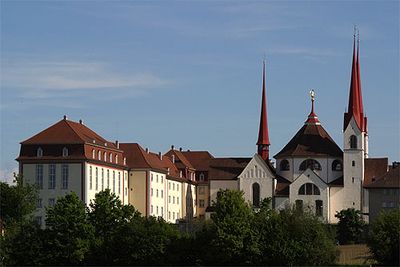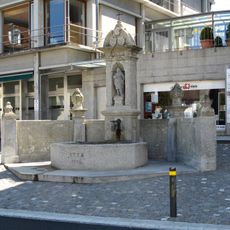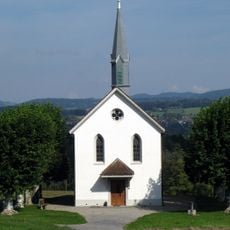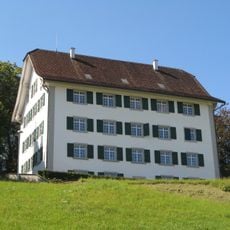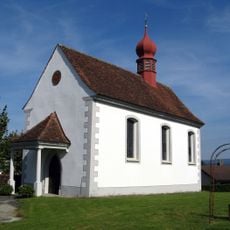
Former Benedictine monastery Muri, Benedictine monastery in Muri, Switzerland.
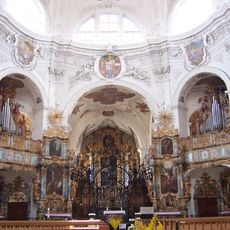
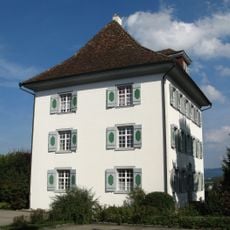
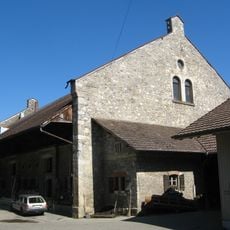
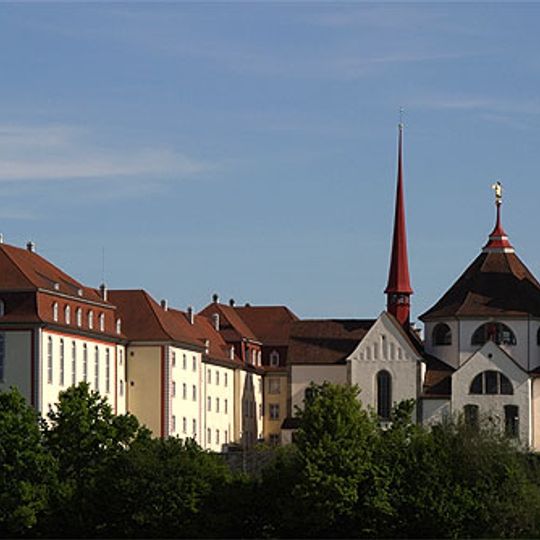
Muri Abbey is a former Benedictine monastery centred on the church of St. Martin, whose three towers and octagonal dome — the largest domed central building in Switzerland — rise above the complex. South of the church, the convent wing encloses a cloister on three sides; the narrow Singisen wing runs west. The separate Lehmannbau, finished at the end of the 18th century, has the country's longest Neoclassical facade in its east wing.
Ita of Lorraine and her husband, Count Radbot of Habsburg, founded the monastery in 1027; monks from Einsiedeln began building it in 1032 and the abbey church was consecrated in 1064. After internal reforms it became Switzerland's richest abbey in the 17th century and was raised to the rank of princely abbey in 1701. The canton of Aargau dissolved it in 1841, prompting the Aargau monastery dispute; the monks moved to Sarnen and to Gries near Bozen, where they founded Muri-Gries in 1845.
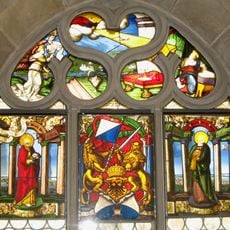
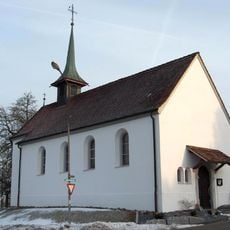
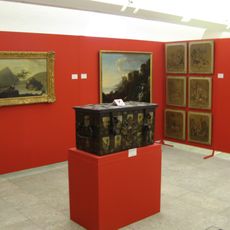
The abbey church holds five organs, which are used for regular concerts. The monastery museum displays its treasures and paintings by Caspar Wolf, who was born in Muri in 1735. The Loretto Chapel holds the hearts of Emperor Karl I and Empress Zita in the Habsburg family crypt.
The site functions as a regional cultural center where visitors can attend organ concerts and educational programs throughout the year. Planning ahead to check event schedules will help make the most of a visit to this active community space.
The Loreto Chapel within the complex once served as a burial place for members of the Habsburg royal family, linking the monastery to broader European history. This royal connection reveals how the site held importance for powerful dynasties across the centuries.
The community of curious travelers
AroundUs brings together thousands of curated places, local tips, and hidden gems, enriched daily by 92,685 contributors worldwide.