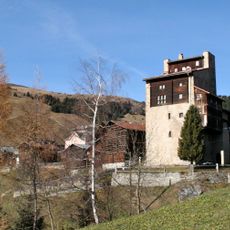
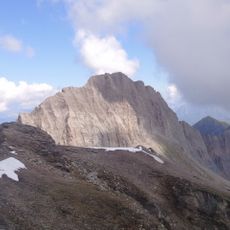
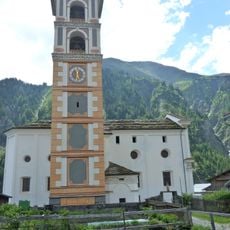
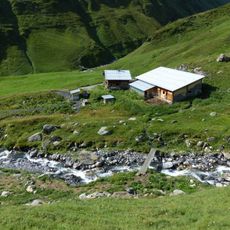
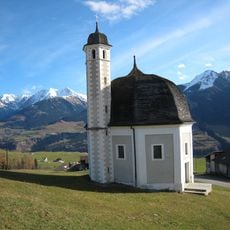
Crestaulta, Bronze Age archaeological site in Lumnezia, Switzerland.
Crestaulta is a Bronze Age archaeological site on a hill near Lumbrein with multiple layers of ancient settlements stacked over time. The excavated remains show where people lived and built structures, revealing the pattern of occupation from the earliest to the latest periods.
The site was occupied from around 2000 to 1600 BC and shows how settlements changed over many centuries in the mountains. An archaeologist discovered and excavated it between 1935 and 1938, bringing these early mountain communities to light for the first time.
Crestaulta yielded at least 436 vessels, all made on the hill, with incised and impressed decoration and some surviving fingerprints; the pottery gave its name to the inner-Alpine Bronze Age culture formerly called the Crestaulta culture. Seven small vessels were found nearly intact, and a pot depot of seven vessels stood beside a pottery kiln.
The site is reached through hiking trails near Lumbrein, with the best season being summer and early autumn when snow has cleared and paths are passable. The area is rural and remote, so visitors should prepare for basic conditions and plan for longer walks through the landscape.
The hill was not naturally flat: retaining walls inside the settlement show that the plateau was built up through repeated levelling and fill, probably after fires. Excavations also uncovered 20 rock crystals with worn tips, thought to have served as knives.
The community of curious travelers
AroundUs brings together thousands of curated places, local tips, and hidden gems, enriched daily by 93,763 contributors worldwide.