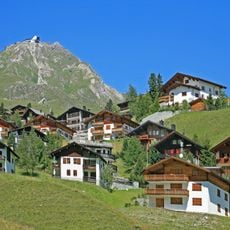
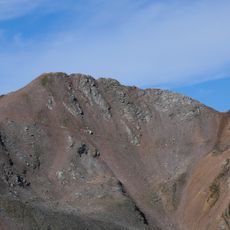
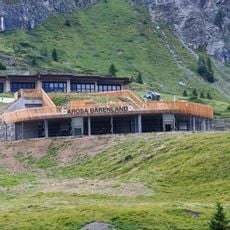
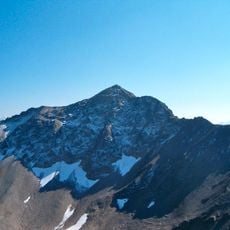
Hörnli Express, Mountain summit in Grisons, Switzerland.
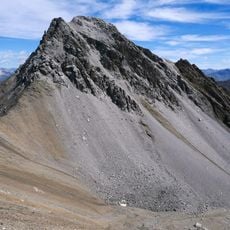
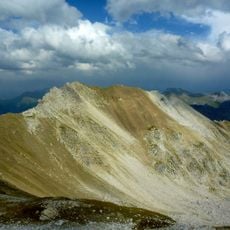
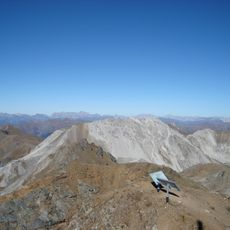
The Hörnli is a roughly 50-metre-high rock tooth of variolite and spilite in the Plessur Alps, standing at 2,496 metres on the boundary between Arosa and Chur above the Hörnlihütte. Its walls are built of dark, fine-grained pillow lavas, several decimetres to metres across, formed on the Tethys ocean floor. The ridge is far easier to reach from the southeast than from the northwest.
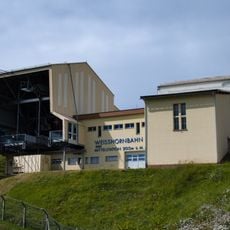
A transport facility opened in the Hörnli area in 1945 and was the longest ski lift in Switzerland at that time. The system has since undergone multiple modernizations to better serve the growing number of visitors over the decades.
The Hörnli is a 2,496-metre rock tooth of pillow basalt and spilite in the Plessur Alps above Arosa. Its name, meaning 'little horn', refers to the roughly 50-metre-high crag that stands north of the Hörnlihütte. The rock is about 150 million years old, formed as ocean-floor basalt of the Tethys Sea.
The best time to visit is outside peak periods such as weekends and school holidays. Bad weather can temporarily close the cable car, so it is worth checking current conditions before heading up.
The Hörnli's walls are built of dark, fine-grained pillow lavas: rounded lobes a few decimetres to metres across, formed as hot basalt magma met cold seawater. Identical structures were found in the spreading zones of the Atlantic and Pacific at around 2,500 m depth. The rock is about 150-million-year-old Tethys ocean floor, part of the folded Arosa nappe.
The community of curious travelers
AroundUs brings together thousands of curated places, local tips, and hidden gems, enriched daily by 94,554 contributors worldwide.