Natural History Museum of Bern, Natural history museum in Bern, Switzerland
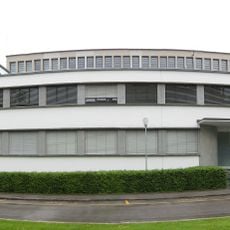
The Natural History Museum of Bern occupies a building on Bernastrasse in the Kirchenfeld quarter, opened on 4 January 1936 and expanded several times since. Its galleries hold over 220 life-sized dioramas with preserved animals from Switzerland, Africa and Asia, along with Alpine minerals, Swiss gold samples, meteorites and Switzerland's largest collection of animal skeletons and bones.
The museum was founded in 1832, making it one of the oldest natural history institutions in Switzerland. It moved to its current building in 1936, having previously occupied a structure built in the late 19th century.
The dioramas display animals from Switzerland, Africa and Asia, not only Swiss species. The African section comes from big game collected by Bernese painter and hunter Bernhard von Wattenwyl and his daughter Vivienne on a 1923–24 expedition; 130 animals are shown in 33 dioramas along two darkened corridors. A separate section holds over 600 native birds and mammals in 164 dioramas, and five upper-basement dioramas show Asian species threatened with extinction.
The museum is easy to reach on foot from the center of Bern and is open most days of the week. It is worth checking the museum's website before visiting to confirm opening times and any temporary exhibitions.
The museum holds the preserved body of Barry, a Saint Bernard dog that worked as a rescue dog in the early 19th century at the Great Saint Bernard Pass. The museum also maintains the World Spider Catalog, a global reference database used by spider researchers around the world.
The community of curious travelers
AroundUs brings together thousands of curated places, local tips, and hidden gems, enriched daily by 92,692 contributors worldwide.