Ruine Tegerfelden, castle ruin in Tegerfelden in the canton of Aargau, Switzerland
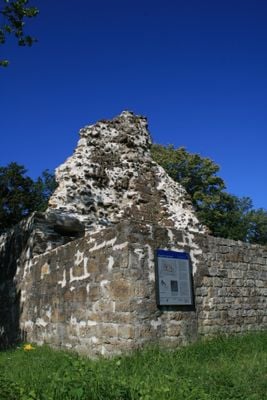
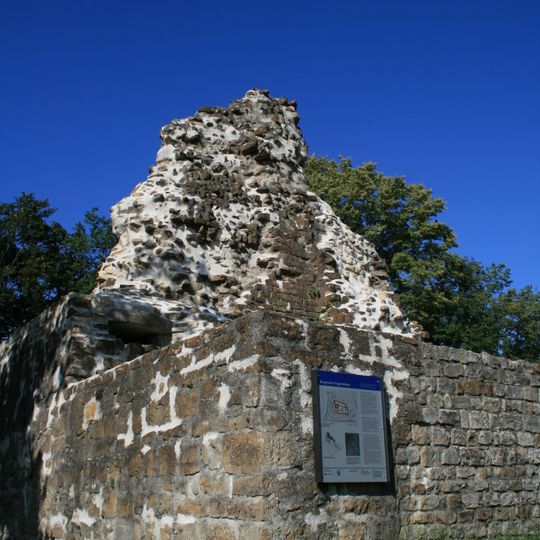
Ruine Tegerfelden is a castle built in the late 11th century, perched on a rocky point above the Surb river in the Aargau region of Switzerland. Today, stone wall foundations, wall sections, and a tower remain, preserved through excavation and restoration work carried out between 1948 and 2008.
The castle was founded in the late 11th century by the noble family of Tegerfelden, who held regional power for several generations. After a major fire around 1250, the castle was not rebuilt and fell into decline, appearing in documents by 1269 already classified as a ruin.
The name Tegerfelden comes from the noble family of Freiherren von Tegerfelden who built and ruled from this castle. The ruins today reflect how medieval lords lived and exercised power from fortified positions in their territories.
The ruins are freely accessible with walking paths around the stone remains that let visitors explore the site's layout at their own pace. Wear sturdy shoes and exercise caution around the exposed stonework and unguarded edges.
A member of this family, Konrad von Tegerfeld, was a conspirator in the murder of King Albrecht I, a pivotal medieval event that shocked the Holy Roman Empire. This local nobleman played an unexpectedly significant role in one of the era's most dramatic crimes.
The community of curious travelers
AroundUs brings together thousands of curated places, local tips, and hidden gems, enriched daily by 90,999 contributors worldwide.