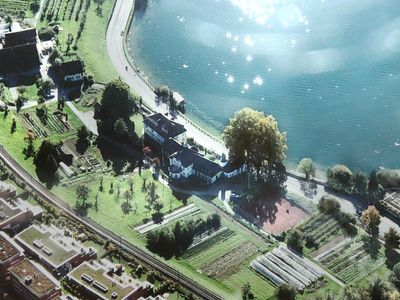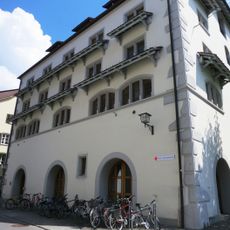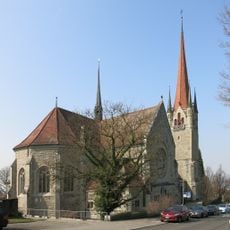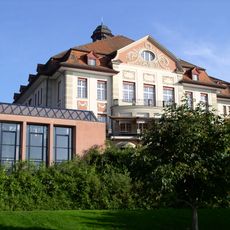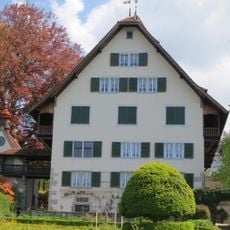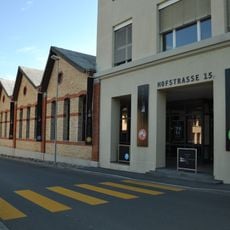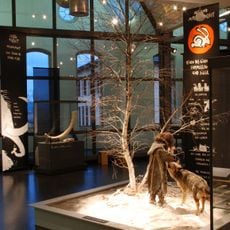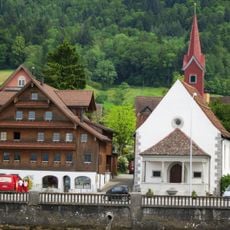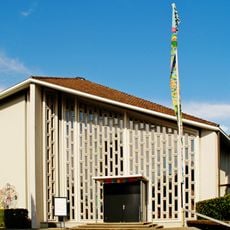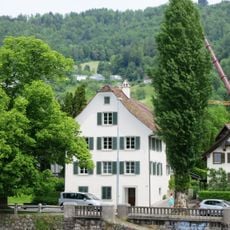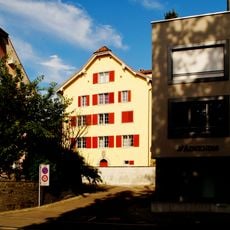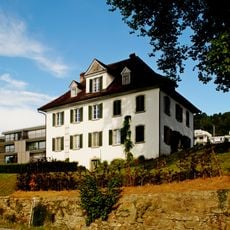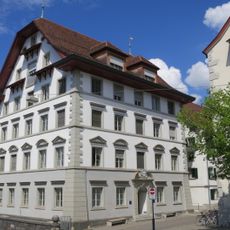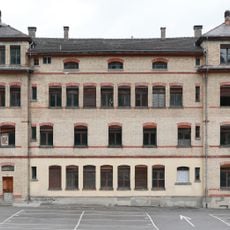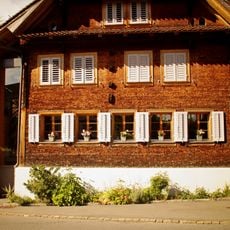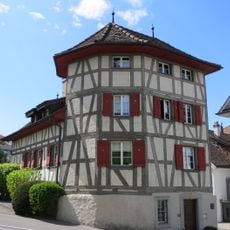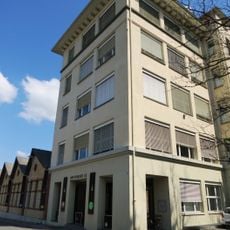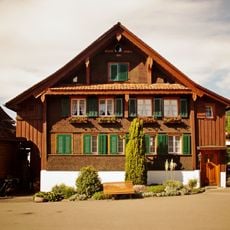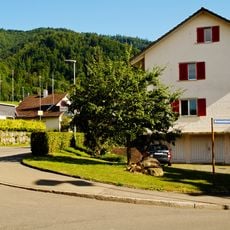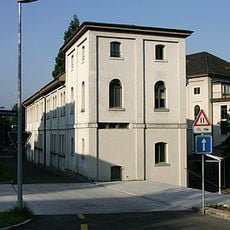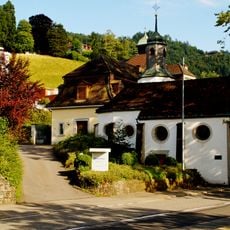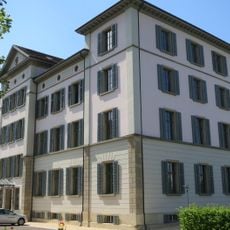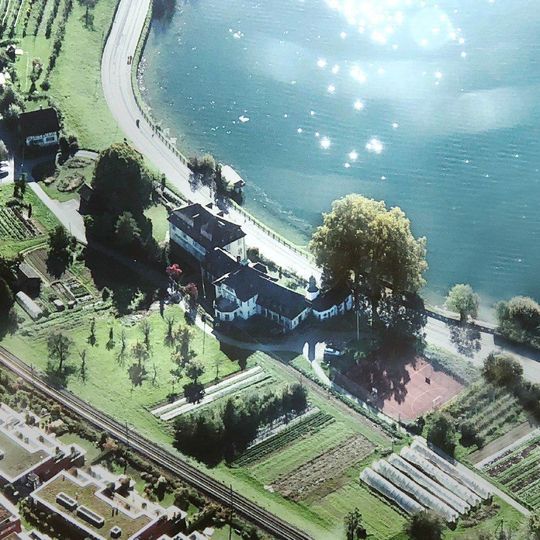
Salesianum, Architectural ensemble in the St. Karl district of Zug, Switzerland.
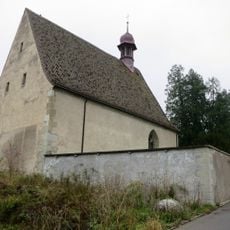
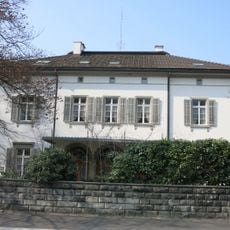
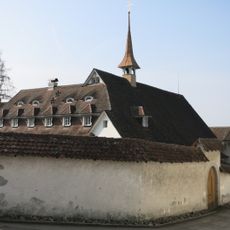
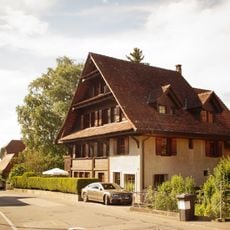
Salesianum is an architectural ensemble near Zug comprising a baroque chapel, a manor house, and a connecting structure between them. The three components form a unified composition reflecting construction phases from the 1600s through the late 1700s.
The St. Karlshof estate passed to councillor Johann Kaspar Lutiger in 1744; around 1750 he built the baroque Herrenhaus as an addition to the chapel, and between 1750 and 1769 the Mittelbau was added to connect the two. In 1840 Peter Zwyssig bought the property, and his brother Alberich, a fugitive from Wettingen Abbey, wrote the Schweizerpsalm in the St. Karl chapel. The Menzinger Sisters acquired the estate in 1898 and renamed it Salesianum after Mother Salesia Strickler.
The name Salesianum honours Mother Salesia Strickler, whose Institute of Menzingen bought the estate in 1898. The St. Karl district and its chapel take their name from Saint Charles Borromeo, who according to legend first set foot on Zug soil here in 1570 after crossing the lake from Buonas.
The ensemble stands near Zug with all three buildings clearly visible from the exterior vantage points. Visitors should respect the protected status of the property and observe boundaries around the residential areas.
A composer created an important Swiss musical work at this site while seeking refuge from his monastery. This event occurred in the 1840s and connected this place to the nation's musical heritage.
The community of curious travelers
AroundUs brings together thousands of curated places, local tips, and hidden gems, enriched daily by 93,685 contributors worldwide.