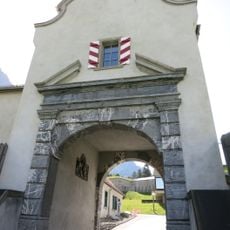
Festung St. Luzisteig, Mountain fortress in Grisons, Switzerland
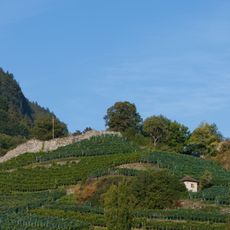
Festung St. Luzisteig is a baroque blocking fortress on the St. Luzisteig pass at 713 m in the canton of Graubünden, part of the Sargans fortress area. From 1703 to 1705 Hans Caspar Werdmüller built a bastioned masonry front across the pass saddle, joined by a wall to the Guscha battery on the right slope. The Kleine Schanze redoubt on the pass height dates from around 1631, and concrete barracks by Peter Zumthor were added east of the cantonal road between 1994 and 2005.
The pass has been fortified since the medieval period, though the current structures were built and expanded mainly during the 19th and 20th centuries. During the Second World War, the site was integrated into the Swiss National Redoubt as a key defensive point.
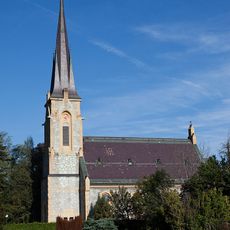
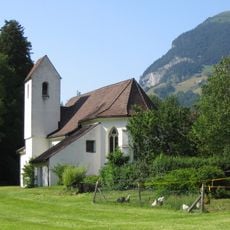
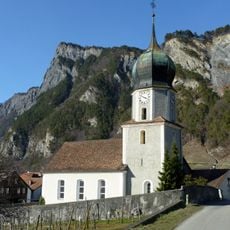
The pass is named after Saint Lucius, to whom the church at the pass height is dedicated; the Maienfeld–Vaduz road runs over it. From 1964 to 2003 the site was a training ground for Swiss train troops, and the Waffenplatz St. Luzisteig has belonged to the Walenstadt/St. Luzisteig training-area command since 1995.
The pass sits at around 2,300 feet (700 meters) and can be exposed to cold and wind at any time of year. Sturdy footwear is recommended since the terrain is uneven and some sections involve rough stone surfaces.
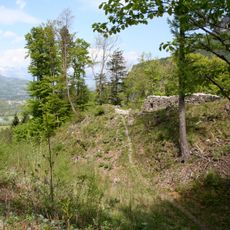
The Letzi Grafenberg, a 15th-century land wall at the foot of Burg Grafenberg, was fought over in the Swabian War of 1499. Its remains lie near the pass, separate from the bastioned front built across the saddle in 1703–1705.
The community of curious travelers
AroundUs brings together thousands of curated places, local tips, and hidden gems, enriched daily by 94,518 contributors worldwide.