Auried, Amphibian nature reserve in Kleinbösingen, Switzerland
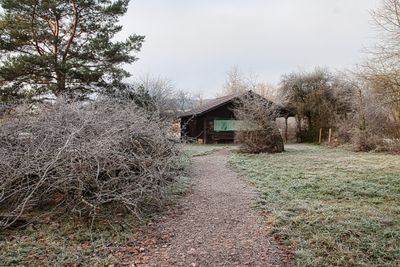
Auried is a 15-hectare reserve in Kleinbösingen, northeast of the village on the left bank of the canalised Saane. About 9 hectares are meadow and fen, 2.2 hectares hedges and bushes, and 2.7 hectares an artificial water system of ponds and channels. Eight amphibian species breed here, including the great crested newt and the European tree frog.
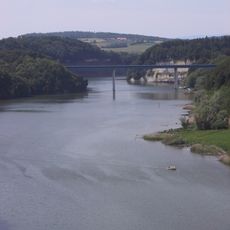
Until the 1940s the Saane meandered freely across a 200–500 m wide floodplain here, creating pools and gravel banks; canalisation and the 1964 Schiffenen dam ended that. Gravel extraction from 1963 left ponds and banks that amphibians recolonised. After about ten years of campaigning, Bösingen's municipal assembly voted on 19 April 1980 to sell the Auried to what is now Pro Natura for 415,000 francs; it was protected from 1981 and listed as a federal amphibian spawning site in 2001.
Pro Natura manages this protected zone using traditional farming practices, including grazing with highland cattle to maintain ecological balance. This approach shows how land stewardship and nature conservation work together in a working landscape.
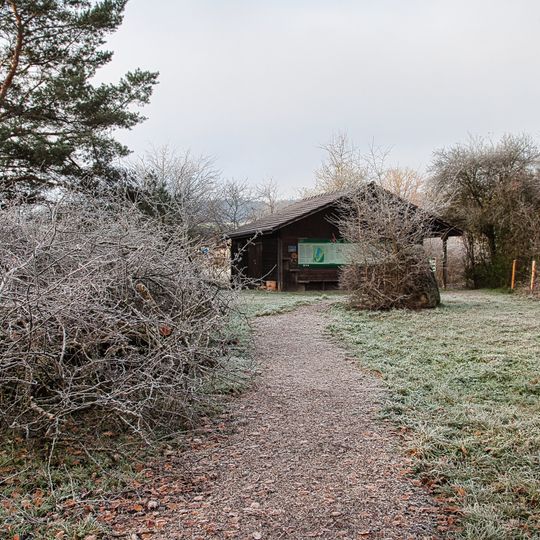
Visitors can walk through the reserve along paths crossing the meadows and circling the water systems. It is best to visit during warmer months when amphibians are more active and pathways are most accessible.
The reserve's name comes from the Au meadows of the Saane and the reeds that grew there. Gravel was extracted here from 1963, and the resulting pits and sandbanks attracted amphibians and pioneer plants back to a landscape that the canalised river had abandoned.
The community of curious travelers
AroundUs brings together thousands of curated places, local tips, and hidden gems, enriched daily by 92,770 contributors worldwide.