Inner Mongolia, Autonomous region in northern China
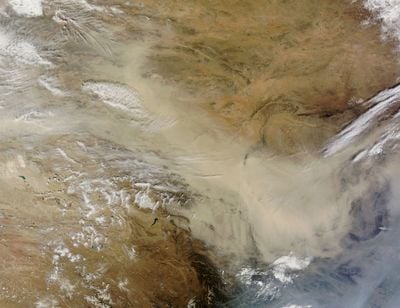
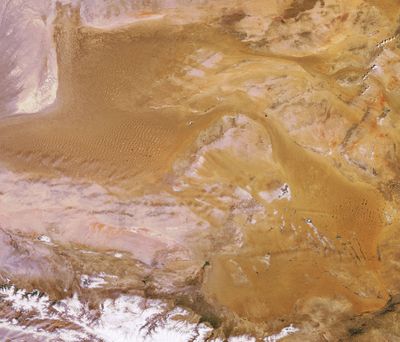
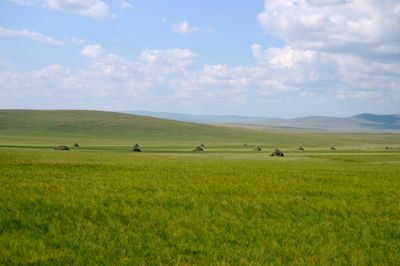
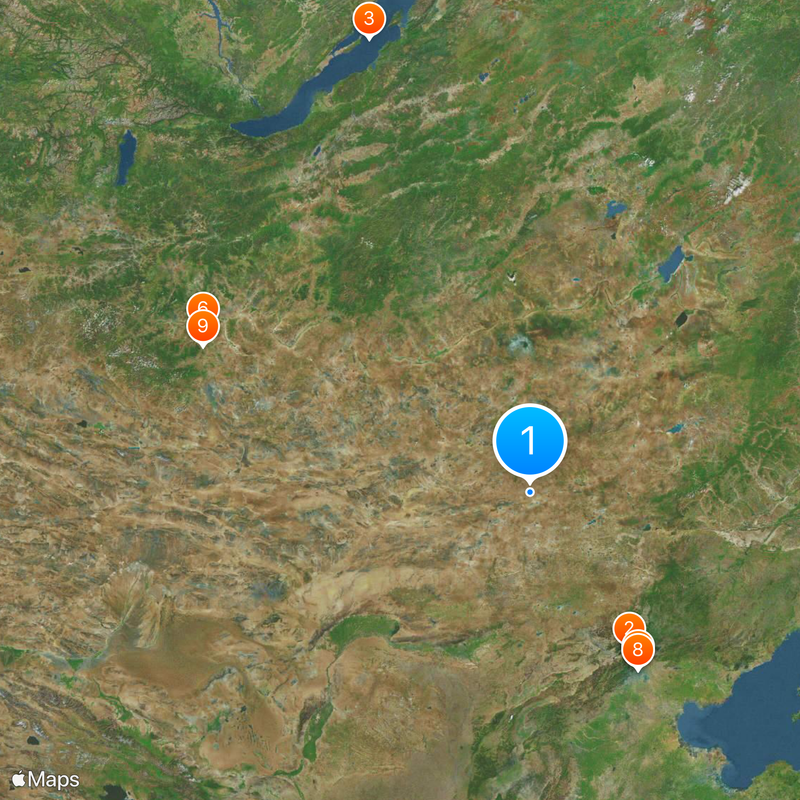
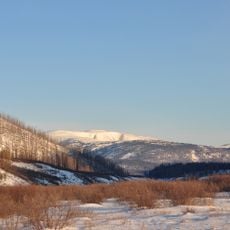
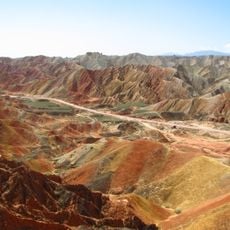
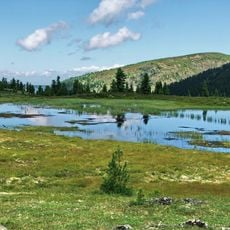
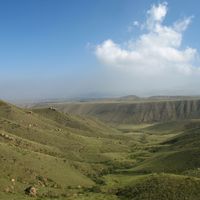
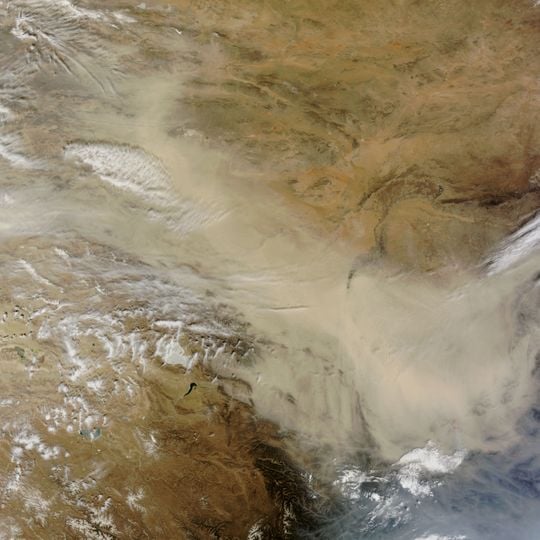
This autonomous region stretches across wide grasslands, forests and desert areas between Mongolia and northern Chinese provinces. Rivers cross the plains while mountains rise in the west, and the landscape shifts from open horizons to dense forested zones.
The area was established as an autonomous region in 1947 and reflects centuries of nomadic peoples who lived here before settling into fixed boundaries. This administrative form aimed to preserve local traditions while integrating the territory into the broader Chinese state.
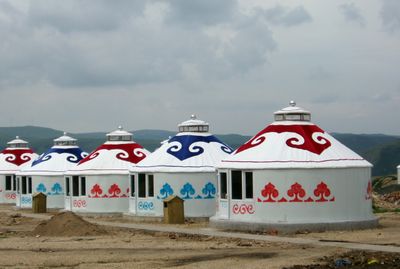
Traditional summer festivals bring together riders, wrestlers and archers who compete in skills passed down through generations. Visitors often encounter nomadic families who still live in round felt tents and move their livestock across open grasslands.
The territory is large and distances between towns can mean several hours of travel, so planning journeys in advance helps. The climate ranges from dry desert zones to cooler mountain areas, so visitors should bring clothing for varying temperatures.
The Xilingol grasslands are home to a small population of wild horses that belong to the last of their kind in Asia. Traditional herders still guide their flocks across the meadows, following the rhythm of the seasons and the growth of grass.
The community of curious travelers
AroundUs brings together thousands of curated places, local tips, and hidden gems, enriched daily by 90,800 contributors worldwide.