Cemetery of Confucius, Burial site in Qufu, China
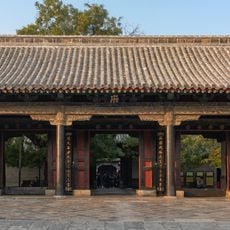
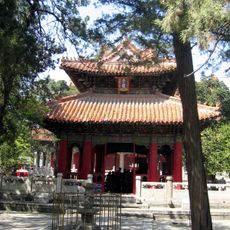
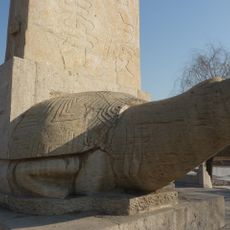
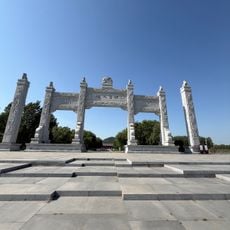
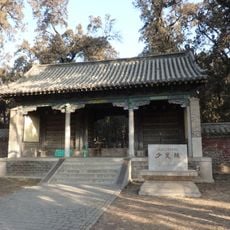
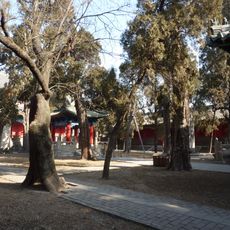
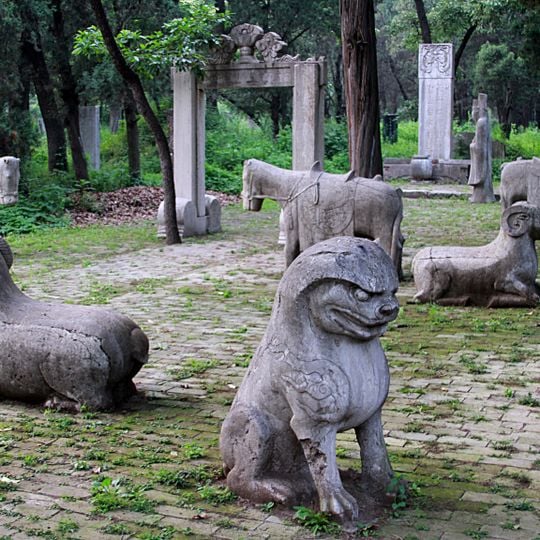
The Cemetery of Confucius, known as Kong Lin, covers 183.33 hectares within a 5,591-metre perimeter wall. Its 10,000 mature trees give it a forest-like appearance. The tomb of Confucius is a cone-shaped hill; nearby stand stone horses, rams, feline statues and stelae with Chinese characters, such as those lining the spirit ways of the Dukes of Yansheng.
The oldest graves here date to the Zhou dynasty, when Confucius was buried on the bank of the Sishui River in a tomb shaped like an axe with a brick offering platform. By the 2nd century AD at least 50 descendants lay beside him. Construction of the perimeter wall and gate began in 1331; after 13 renovations and extensions the wall reached 7.5 km by the late 18th century.
The cemetery displays different stone markers and inscriptions that show how Chinese burial traditions and memorial customs evolved over time. The monuments reflect the importance of family connections and social standing in how people were remembered and honored.
The grounds are easy to navigate on foot, though comfortable shoes are recommended since pathways between graves are long and sometimes uneven. Guided tours help visitors understand the historical connections between different groups of graves and monuments.
The cemetery records one of the longest documented family histories in the world with graves spanning more than two thousand years of continuous lineage. This remarkable genealogical record makes the site a unique window into how families were remembered across dynasties.
The community of curious travelers
AroundUs brings together thousands of curated places, local tips, and hidden gems, enriched daily by 92,791 contributors worldwide.