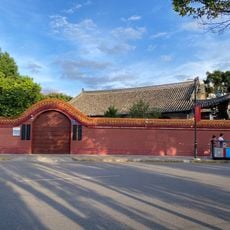
Jianshui Confucian Temple, Ancient Confucian temple in Jianshui County, China
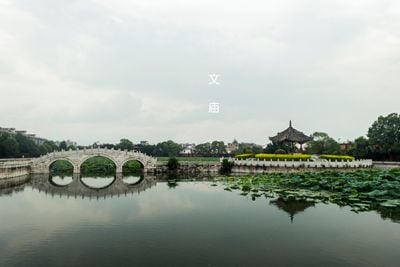
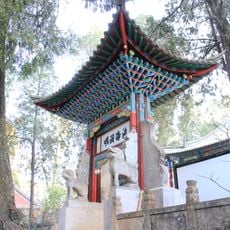
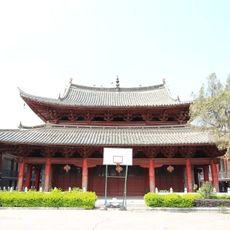
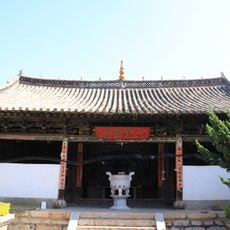
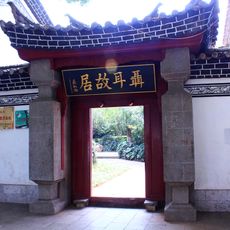
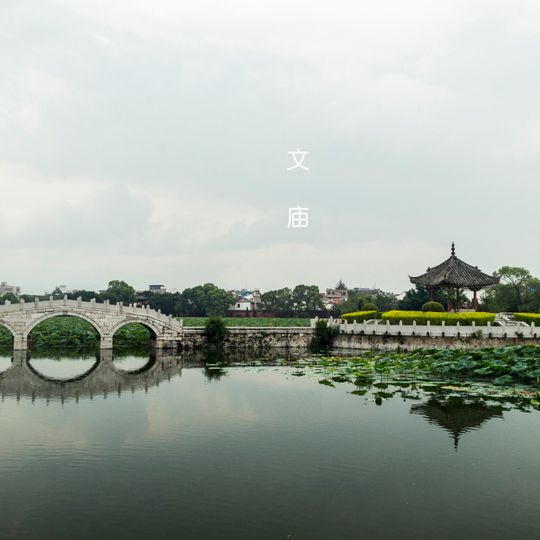
The Jianshui Confucian Temple faces south on a symmetrical central axis, following the 'temple in the center, schools on both sides' layout. Its six courtyards begin with the 9-meter Taihe Yuanqi Archway, followed by the irregular oval Panchi pool, also called Xuehai, which covers about half the site and holds the Sile Pavilion on a small island linked by a three-arch stone bridge. The main Xianshi Hall has a single-eaved hip-and-gable roof and 22 exterior columns carved from single blocks of bluestone.
The temple was founded during the Yuan Dynasty in the 13th century and underwent major expansions in later periods. These enlargements reflected the growing importance of Confucian learning and followed architectural models from other significant temples of the era.
The main hall houses gilded tablets bearing imperial inscriptions that honor Confucian philosophy through their placement and design. People visit to see how these teachings are physically expressed in the temple's layout and sacred spaces.
Visitors can explore the grounds during daylight hours and arrange guided tours to learn about the architectural features and their significance. Comfortable walking shoes are recommended since the site spans a large area with multiple courtyards to traverse.
The PanChi pool, also called Xuehai, is an irregular oval covering about half of the temple's 76,000-square-metre grounds. A small island in the water holds the Sile Pavilion, reached by a three-arch stone bridge.
The community of curious travelers
AroundUs brings together thousands of curated places, local tips, and hidden gems, enriched daily by 94,489 contributors worldwide.