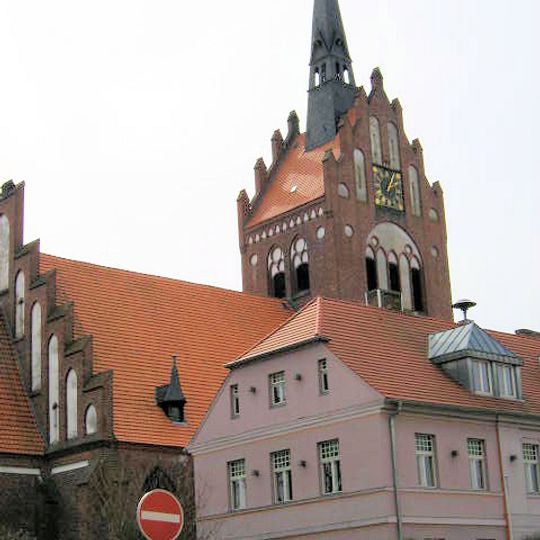
Usedom, town in Germany
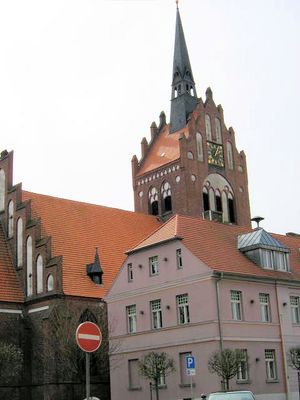
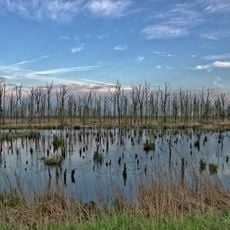
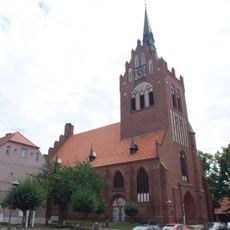
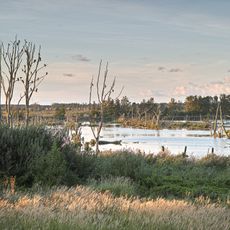
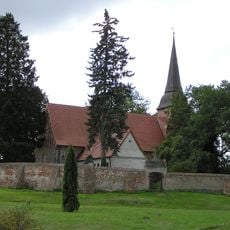
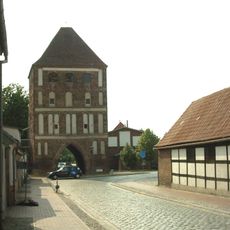
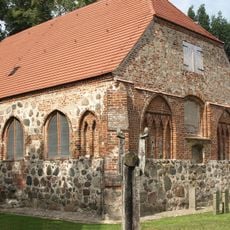
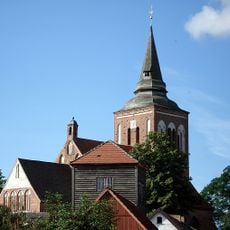
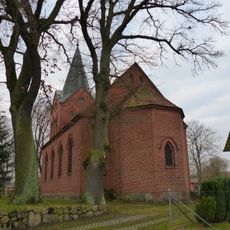
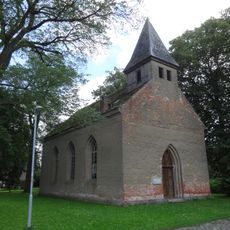
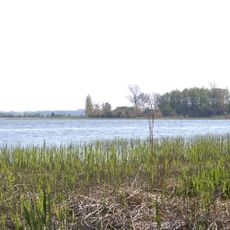
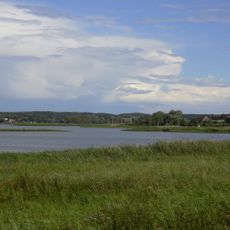
Usedom is a small town at the southwestern tip of an island in Mecklenburg-Vorpommern, situated between the Peenestrom river and Stettiner Haff lagoon. It features medieval structures including the Anklamer Tor gate, a church with a pointed tower, and sits along gentle waterfront shores with views of lake and natural surroundings.
Slavic settlers arrived in the region during the 7th century, and the settlement became a center for Christianization. In 1128, Bishop Otto of Bamberg visited the area and converted many inhabitants to Christianity, an event now remembered by a large granite cross on Schlossberg hill.
The name Usedom comes from the Slavic word Uznam, meaning "mouth," reflecting the town's ancient roots along the river. Local traditions remain visible in everyday life, where residents and visitors move slowly through cobbled streets and gather at markets selling homemade products and fresh fish.
The town is easily reached by train and bus, with well-maintained roads for those who drive. You can explore the narrow streets on foot or cycle through the surrounding countryside, with ferries across the Peenestrom available to reach nearby areas.
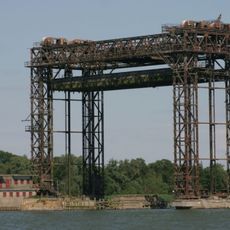
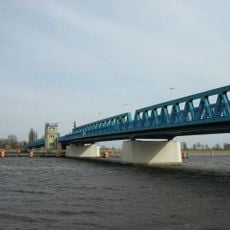
The old railway bridge near Karnin was one of the most modern bridges in Europe when built in 1933 and remains a rare example of industrial engineering from that era. Visitors can still marvel at the tall steel structure and experience a piece of that engineering heritage.
The community of curious travelers
AroundUs brings together thousands of curated places, local tips, and hidden gems, enriched daily by 92,323 contributors worldwide.