Holstein, Historical region in northern Germany
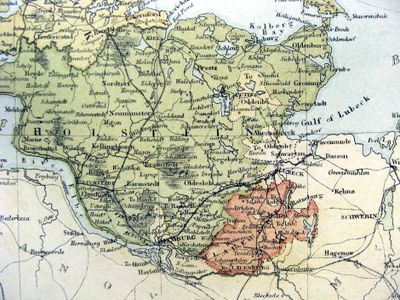
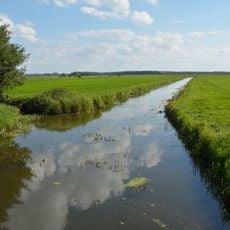
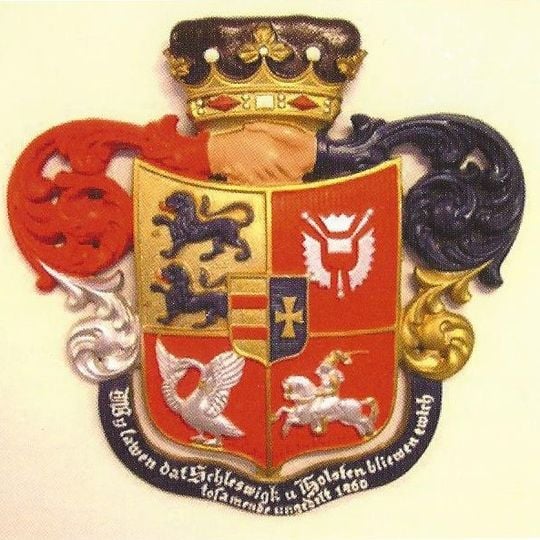
Holstein is a historic region in northern Germany that stretches between the North Sea and the Baltic Sea, with the Eider River forming the northern boundary and the Elbe River the southern edge. The area includes farmland, coastal landscapes, and several larger cities such as Kiel, Lübeck, and Neumünster.
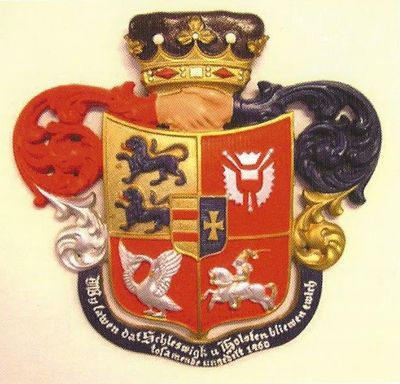
The area evolved during the Middle Ages from a county into a duchy formally established in 1474. For centuries, a close political connection with Denmark existed through personal union until this ended in the Danish-German War of 1864.
The territory takes its name from the Holcetae, a Saxon people who settled close to Hamburg, with a designation meaning those who dwell among trees. Many place names and local traditions still reflect this Germanic settlement pattern and the deep ties to the north.
Visitors usually travel by car or train between the towns, with coastal areas and inland lakes seeing more activity during the summer months. Those wishing to explore the rural parts should allow extra time, as roads often wind through small villages and open fields.
A duke from this region, Karl Peter Ulrich von Holstein-Gottorp, ascended the Russian throne as Tsar Peter III in 1762, linking a north German dynasty with the tsarist empire. This connection shows how far the dynastic threads of the area reached.
The community of curious travelers
AroundUs brings together thousands of curated places, local tips, and hidden gems, enriched daily by 92,749 contributors worldwide.