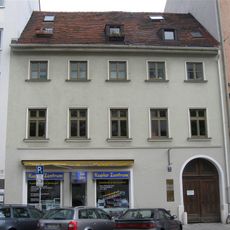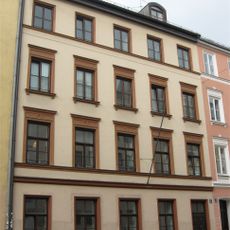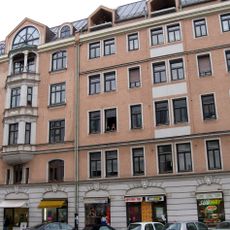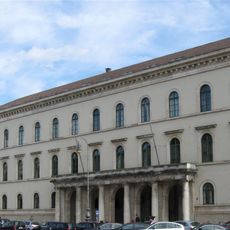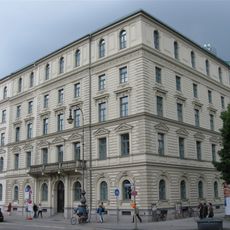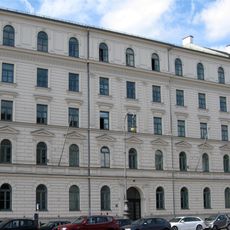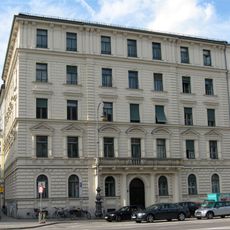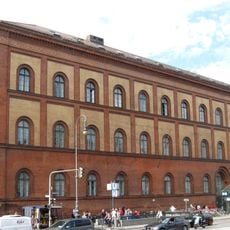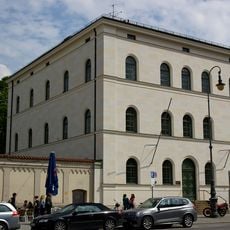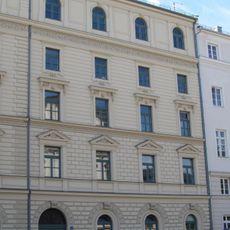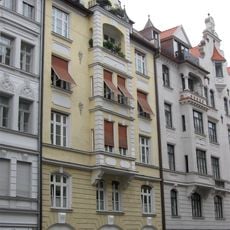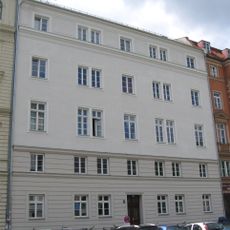
Ludwig-Maximilian-University in Munich, Public research university in Munich, Germany
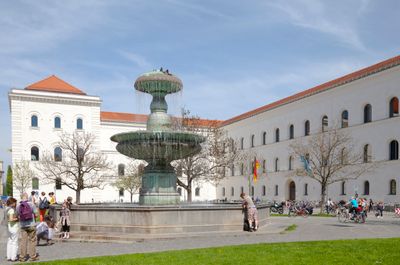
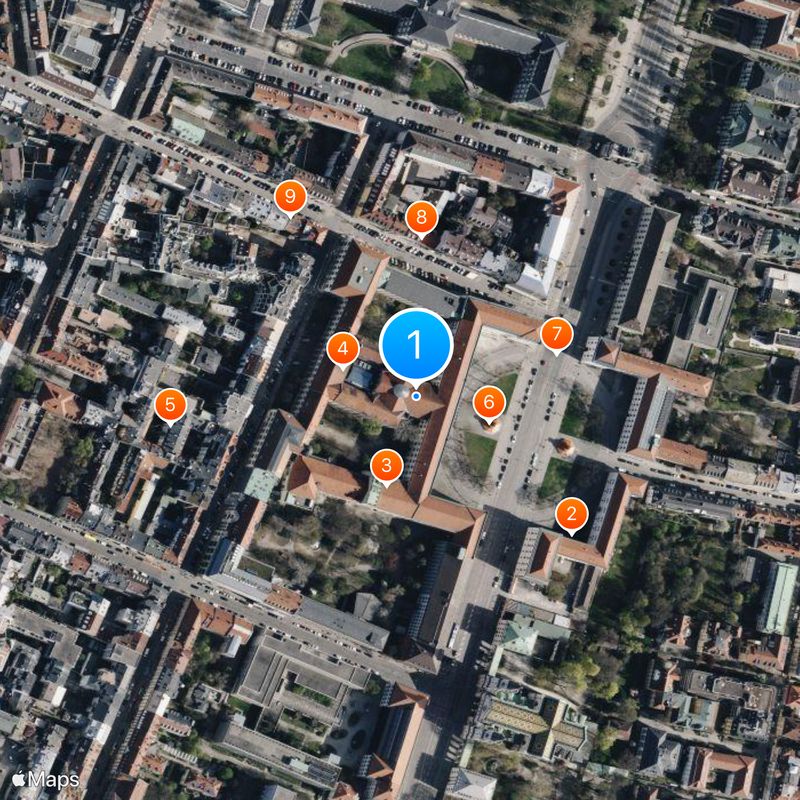
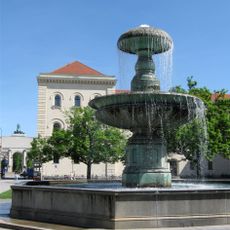
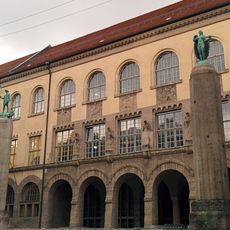
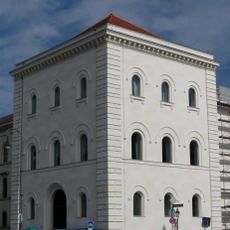
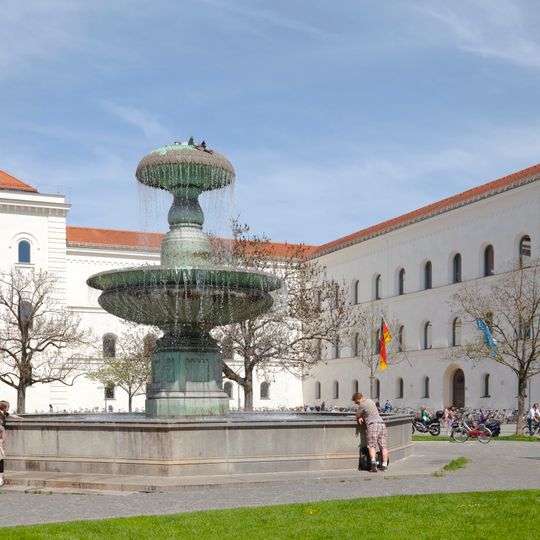
Ludwig-Maximilian-University is a public research university in Munich with facilities spread across the entire city. The main building in the city center stands on Ludwigstrasse, while other sites in Schwabing, Grosshadern, and Martinsried house faculties for natural sciences and medicine.
The institution was founded in 1472 in Ingolstadt and moved to Landshut in 1800 before finding its permanent home in Munich in 1826. King Ludwig I commissioned the main building and named the university after himself and his son Maximilian II.
The name honors King Ludwig I of Bavaria and his son Maximilian II, both of whom shaped the institution's development and gave it its present character. Students from over a hundred countries fill the lecture halls and libraries, with daily life unfolding between classes, seminars, and shared study sessions in the reading rooms.
The main building and faculties are easily accessible by public transport, with underground stations near most locations. Open days and public lectures take place regularly, while the buildings remain accessible to visitors during daytime hours.
Forty-four Nobel laureates have studied or conducted research here, including Wilhelm Röntgen, who discovered the rays named after him. Max Planck and Werner Heisenberg developed foundational theories of quantum physics at this institution, changing our understanding of matter.
The community of curious travelers
AroundUs brings together thousands of curated places, local tips, and hidden gems, enriched daily by 91,624 contributors worldwide.