Schönheide, municipality of Germany
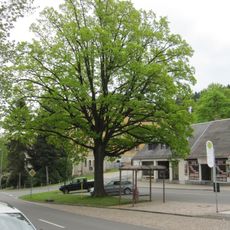
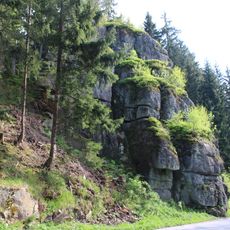
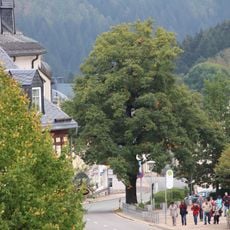
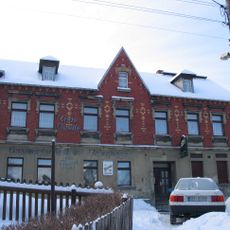
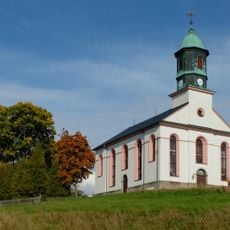
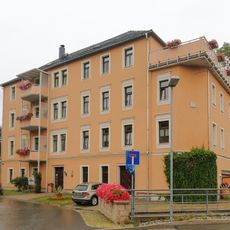
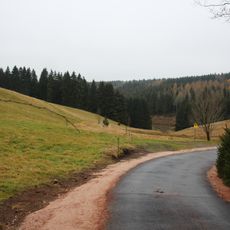
Schönheide is a rural municipality in Erzgebirgskreis, Saxony, set in a mountain valley with forests and gentle slopes on all sides. The village is made up of traditional houses with steep roofs and sits close to the Zwickauer Mulde river.
The first settlement dates to 1537, when Urban Männel cleared land here, and the place received its municipal rights in 1549. After 1563, under Wettin rule, iron mining and metalworking shaped the local economy for generations.
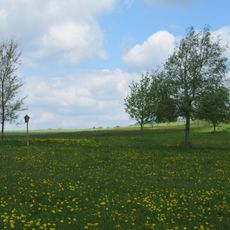
The name Schönheide refers to the open heathland that once covered this area before forests took over. Craft traditions, including brush-making, are still part of local life and can be seen in small events and displays around the village.
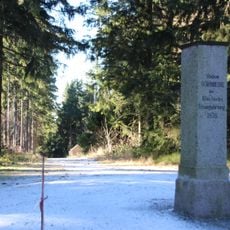
Schönheide is easy to reach by road and serves as a starting point for walks into the surrounding forests and hills. Local markets and small events take place mainly in summer and autumn, giving visitors a chance to see the village at its most active.
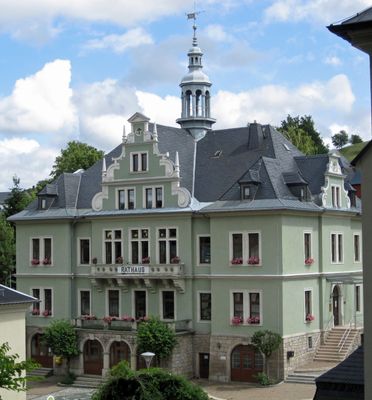
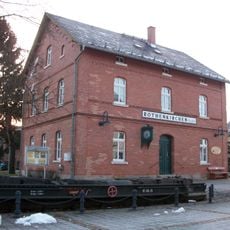
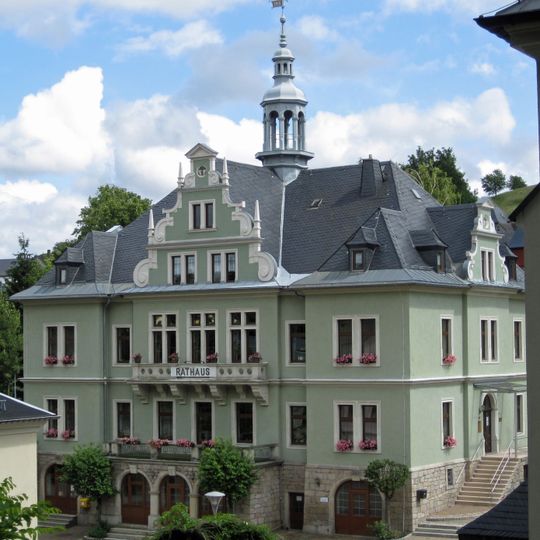
The village coat of arms shows a figure known as the Brush Man, which has appeared on the court seal since 1643 and is still visible on the town hall today. This symbol points to a time when brush-making was one of the main crafts in the area.
The community of curious travelers
AroundUs brings together thousands of curated places, local tips, and hidden gems, enriched daily by 91,258 contributors worldwide.