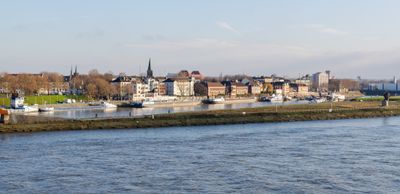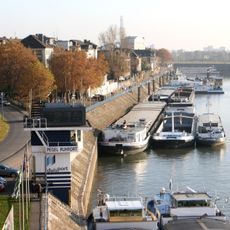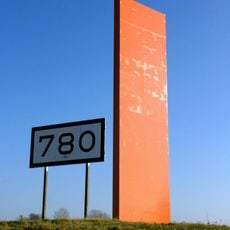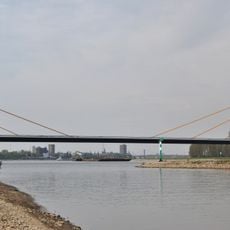
Ruhrort, Port district in Duisburg, Germany
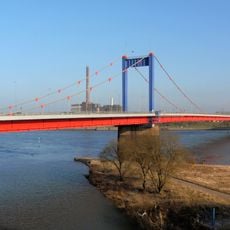
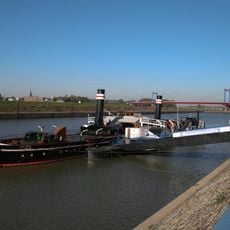
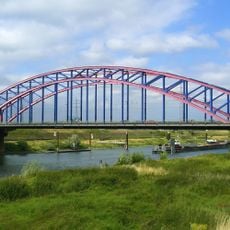
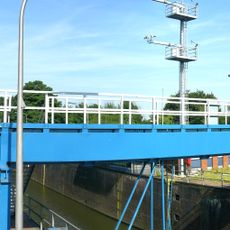
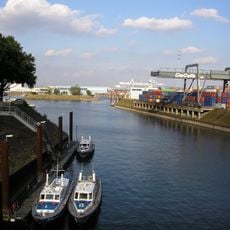
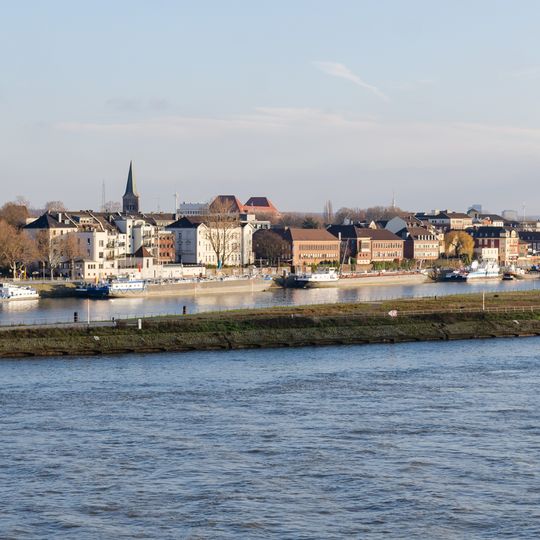
Ruhrort stands where the Rhine and Ruhr rivers meet and contains Europe's largest inland port system with about 40 kilometers of quays. The port spans multiple basins and docking areas where ships and cargo barges are constantly loaded and unloaded.
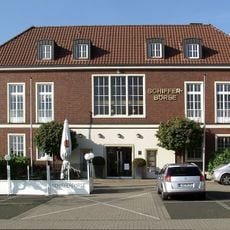
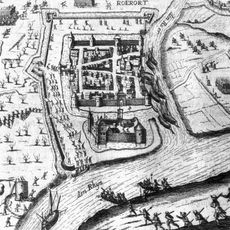
The settlement began in 1371 as a customs post and gained town status in 1551, marking its rise as a trading center. A local shipping guild formed in 1665 to organize coal transport from the Ruhr Valley, establishing the foundation for later port expansion.
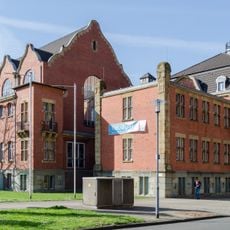
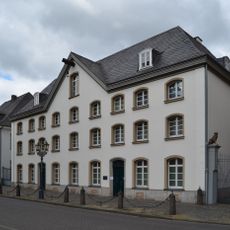
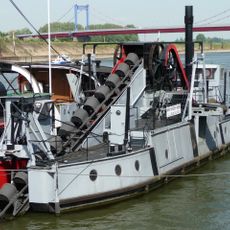
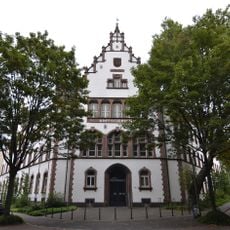
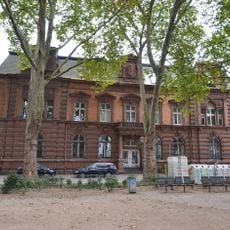
The German Inland Waterways Museum displays historic vessels and maritime objects in a former swimming pool building. The collection shows how river traffic has shaped daily life here for centuries.
The area is well served by trams and buses, offering many vantage points for viewing port activities from the waterside. The waterfront promenades are best explored on foot to watch the work of cargo barges and freight ships up close.
The port handles a large share of direct cargo trains arriving from China to Western Europe, remaining one of the most important hub ports. This role makes it a central point in global trade networks connecting Asia and Europe.
The community of curious travelers
AroundUs brings together thousands of curated places, local tips, and hidden gems, enriched daily by 92,617 contributors worldwide.