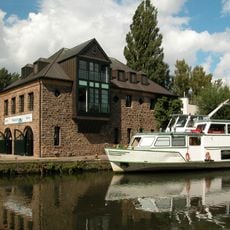
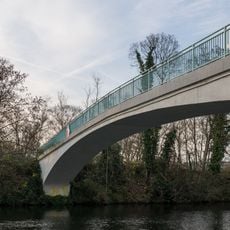
Kloster Saarn, Cistercian monastery in Mülheim an der Ruhr, Germany.
Kloster Saarn is a Cistercian monastery in Mülheim an der Ruhr with buildings from different periods that show how the site developed over the centuries. The complex includes an abbey church, residential buildings, and work structures that together demonstrate how monastic life functioned.
Archaeological finds point to a foundation around 1200; Saarn was probably established in 1214 as a double monastery with Eppinghoven, both under Abbess Wolberna and incorporated into the Cistercian order in 1216. In 1223 Pope Honorius III confirmed its privileges and took it under papal protection. The monastery was dissolved in 1808 during secularisation under the Grand Duchy of Berg, and from 1815 its buildings housed a Prussian royal rifle factory.
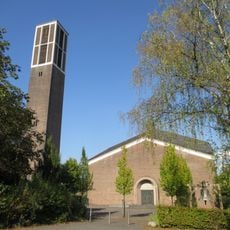
The monastery was founded as Mariensaal (Aula sanctae Mariae), and the nuns honored the young King Henry VII as "fundator" in their memorial book. Today the former abbey church hosts the concert series "Musik im Kloster Saarn", which includes the annual Saarner Orgeltage. A herb garden added in 2010 complements the monastery museum.
The complex lies directly on Bundesstraße 1 in the Saarn district, and the buildings from the 13th to 19th centuries were restored between 1979 and 1989. The former abbey now serves as a meeting place with a citizens' hall, cafeteria and assembly room, and the monastery museum opened in October 2008. A monastery and herb garden has supplemented the museum since autumn 2010.
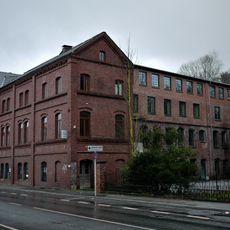
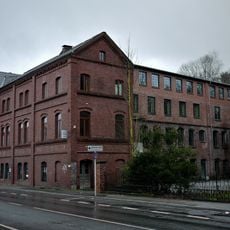
The monastery was suppressed in 1808 by the French government of the Grand Duchy of Berg, and from 1815 Silvester Trenelle ran a Royal Prussian rifle factory in its buildings; production moved to Erfurt in 1862. The city of Mülheim took over the site in 1936 and set up flats for elderly residents.
The community of curious travelers
AroundUs brings together thousands of curated places, local tips, and hidden gems, enriched daily by 93,802 contributors worldwide.