Kranenburg, municipality in Kleve District, in North Rhine-Westphalia, Germany
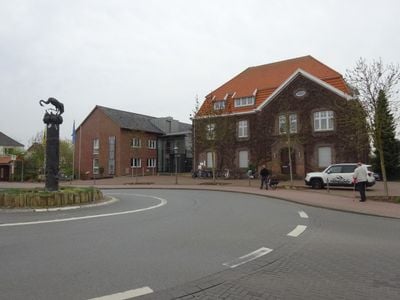
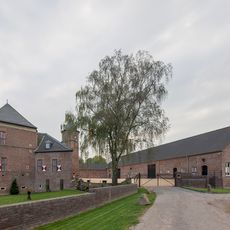
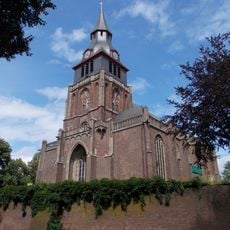
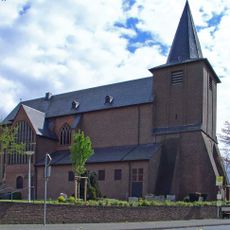
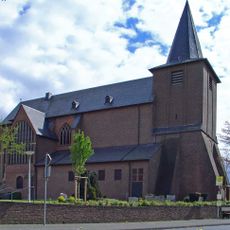
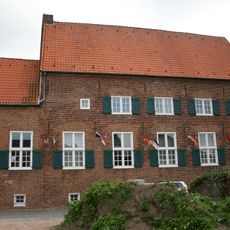
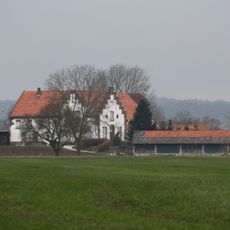
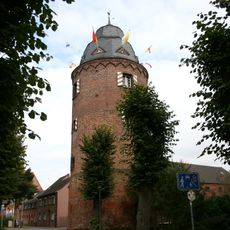
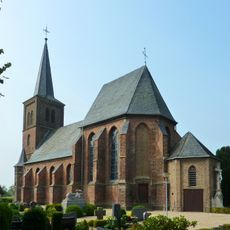
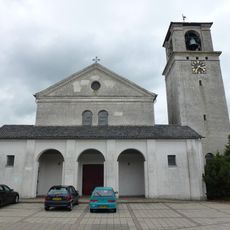
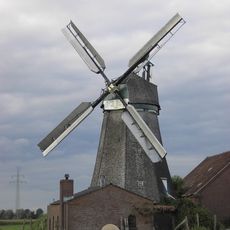
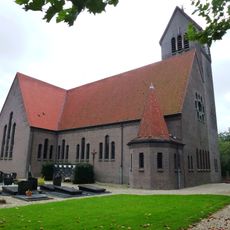
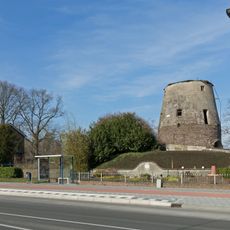
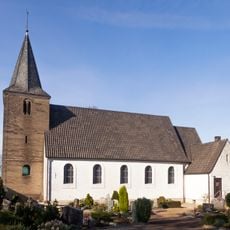
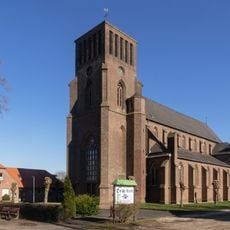
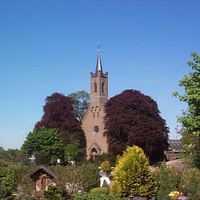
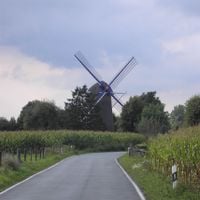
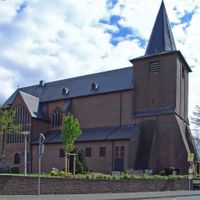
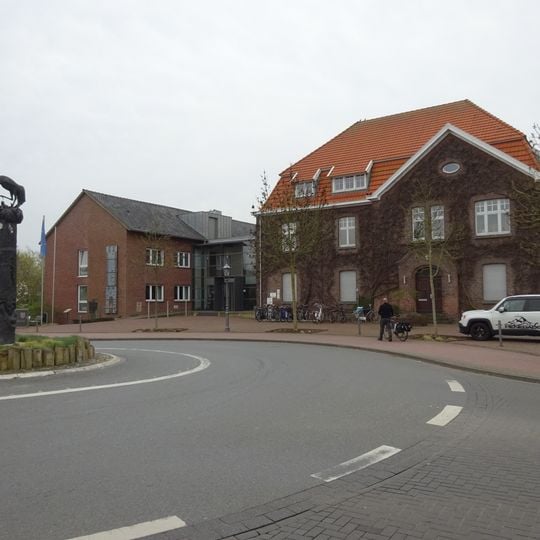
Kranenburg is a small town at the border with the Netherlands, composed of nine smaller village areas including Niel and Zyfflich. It features narrow streets, brick buildings, and notable landmarks such as the church of St. Peter and Paul with its bell tower and Katharinenhof, a former mill now serving as a local history museum.
Kranenburg was founded in the 13th century, with its first fortifications built around 1270 and a church following shortly after. It gained special importance as a pilgrimage destination following reports of 'The Miraculous Trinity' in 1308, which drew many pilgrims to the area.
The name Kranenburg connects to its role as a pilgrimage destination after the discovery of 'The Miraculous Trinity' in 1308, which shaped local identity for centuries. Today, residents and visitors use the town center for cycling, walking, and gathering at local markets and festivals that keep the community connected.
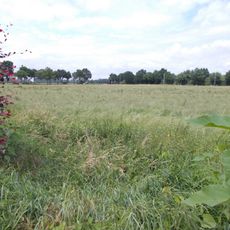
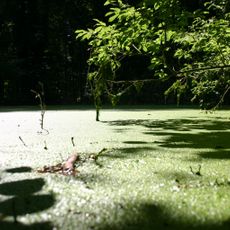
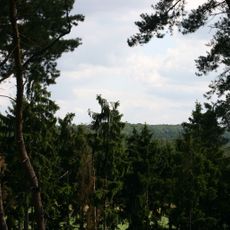
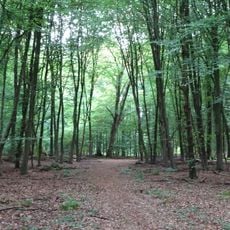
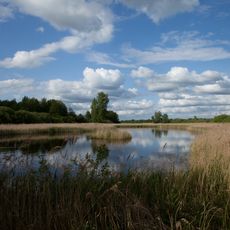
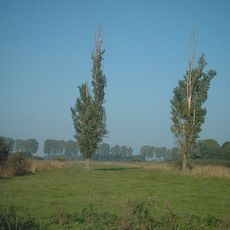
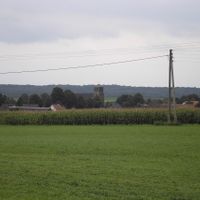
The terrain is flat and ideal for cycling and walking, with many trails through forests and wetlands such as Kranenburger Bruch nature trail. The Tourist Information Center at the Old Train Station offers maps, route descriptions, and current information about local events and activities.
The town sits on the ancient Via Romana, a Roman trade route built about 2000 years ago between Xanten and Nijmegen that now serves as a historic walking path. In winter, wild geese rest in the surrounding wetlands and meadows, attracting bird watchers from the region.
The community of curious travelers
AroundUs brings together thousands of curated places, local tips, and hidden gems, enriched daily by 90,753 contributors worldwide.