Großefehn, municipality of Germany
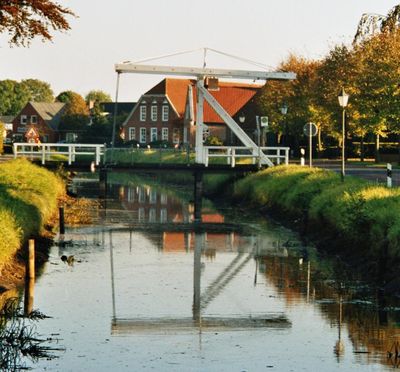
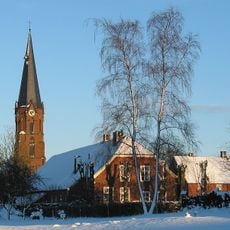
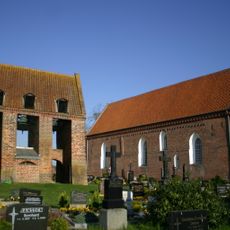
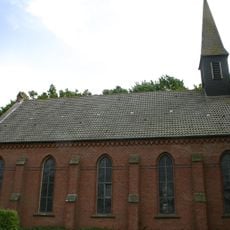
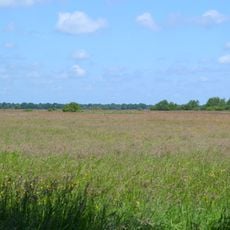
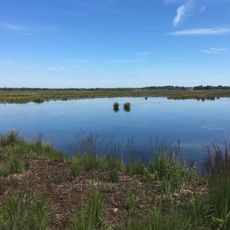
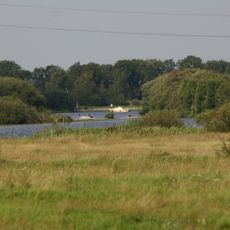
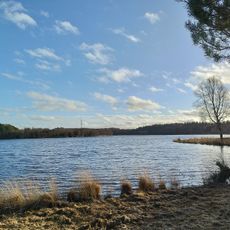
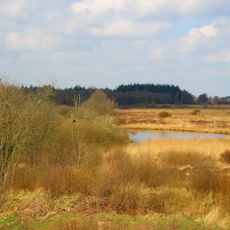
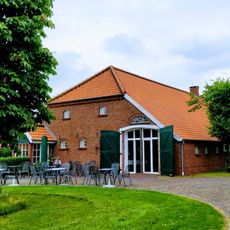
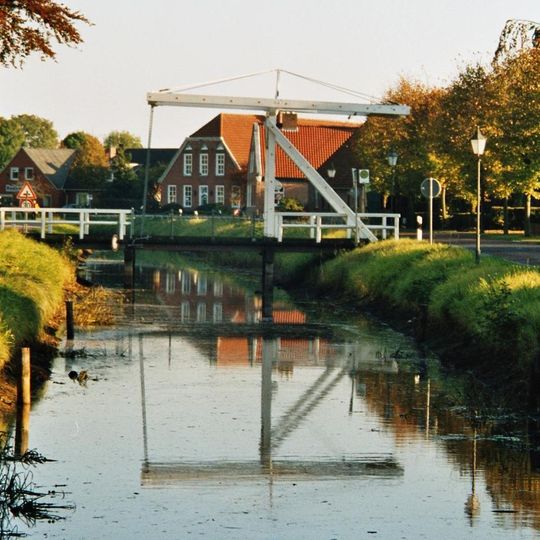
Großefehn is a municipality in East Frisia made up of fourteen villages connected by a network of old water channels and curved farm fences of hedges. The landscape features historic windmills, wooden bridges, historic houses, and traditional architecture, while Timmeler Meer near Timmel is a large inland lake covering about 25 hectares.
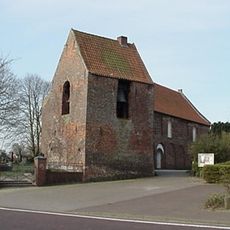
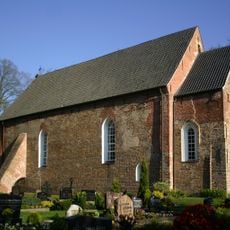
The area was founded in 1633 when four men from Emden received permission to extract peat from a moorland called Flumm, with work beginning in 1634. Older villages like Aurich-Oldendorf with a castle from the 12th and 13th centuries, Bagband, and Timmel, documented since around 1000, existed for centuries before the municipality was formed in 1972 by combining fourteen villages.
The name has been used for over 350 years and refers to three distinct areas: Westgroßefehn, Mittegroßefehn, and Ostgroßefehn. Traditional crafts like weaving, beer brewing, and blacksmithing remain visible in local museums and workshops where visitors can observe how these skills are kept alive.
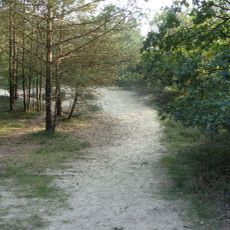
The area is best explored by bicycle, with many flat, well-maintained routes through the landscape including the Frisian Route and German Fehnroute. Overnight stays are available in guesthouses, hotels, and camping sites at the Timmeler Meer harbor, and visitors should obtain brochures to plan visits to museums, windmills, and local attractions.
The wooden ship MS Gretje was originally built to transport floating peat on the waterways and now carries passengers on summer trips across Timmeler Meer and Fehntjer Tief. This restored vessel reveals how water transport once moved goods through the region, bridging the past with modern tourism.
The community of curious travelers
AroundUs brings together thousands of curated places, local tips, and hidden gems, enriched daily by 92,780 contributors worldwide.