Blockland, Agricultural district in Bremen, Germany
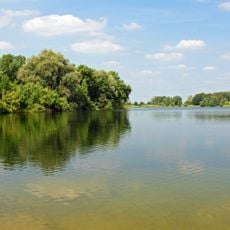
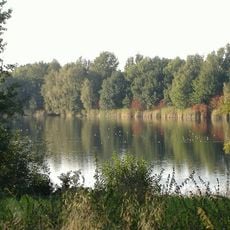
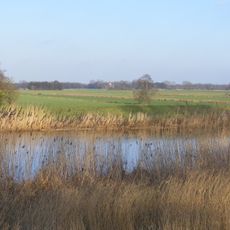
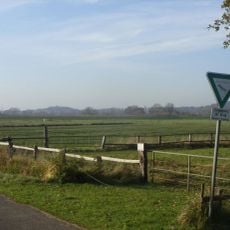
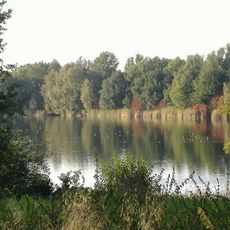
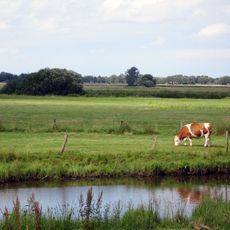
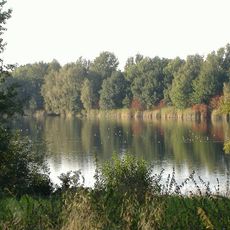
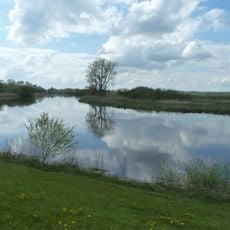
Blockland is an agricultural district in western Bremen with traditional half-timbered farmhouses and pastures that extend for kilometers along the Wümme River. The landscape is defined by open fields and meadows where livestock grazes and rural rhythms shape daily life.
The area was developed through centuries of dyke construction and drainage work to make the land between the Weser and Wümme rivers suitable for farming. These early flood management efforts created the foundation for the region's agricultural structure today.
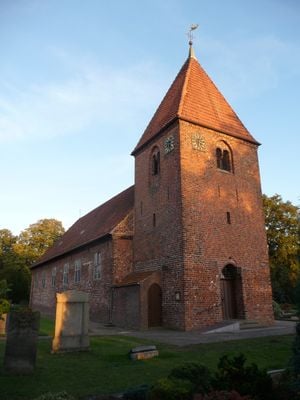
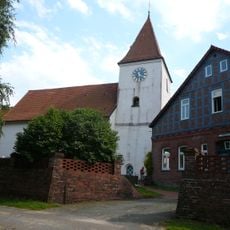
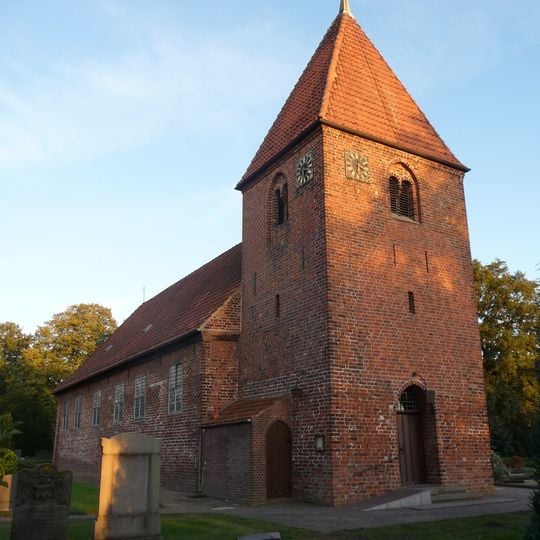
The name Blockland comes from the medieval drainage trenches that cut the marsh into blocks. The Wasserhorst parish church, first mentioned in 1185, still holds services; its Romano-Gothic tower dates from the 13th century and the nave was rebuilt in 1743. The church and churchyard stand on an artificial hill (Warft) raised above the flood line.
Visitors can reach the area using Bus Line 28 or Tram Lines 4 and 6 that serve nearby stations. To explore the landscape, walking or cycling is best since vehicle traffic is limited in the district.
The church tower of Wasserhorst, first mentioned in 1185, is the oldest building in Blockland. Its Romano-Gothic tower dates from the 13th century, while the nave was rebuilt in 1743. Church and churchyard stand on an artificial mound (Warft) raised on a natural hill too low to stay dry.
The community of curious travelers
AroundUs brings together thousands of curated places, local tips, and hidden gems, enriched daily by 93,993 contributors worldwide.