Eekholt Wildlife Park, Wildlife park in Segeberg, Germany.
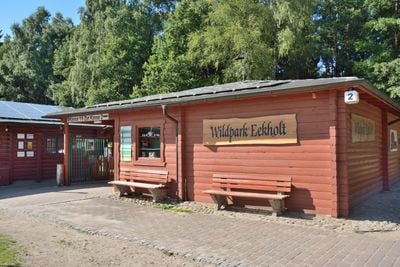
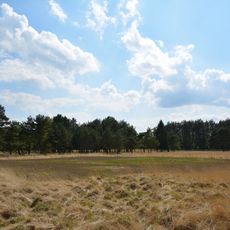
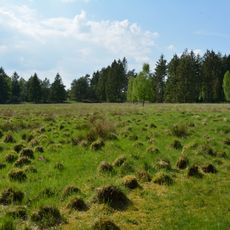
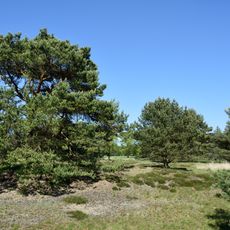
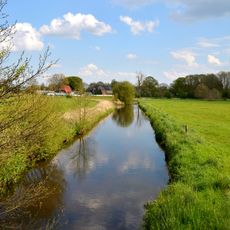
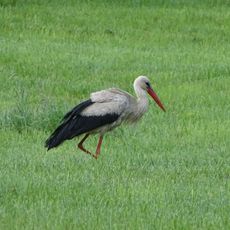
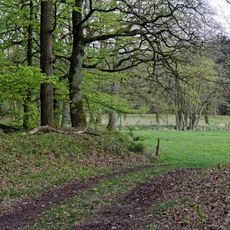
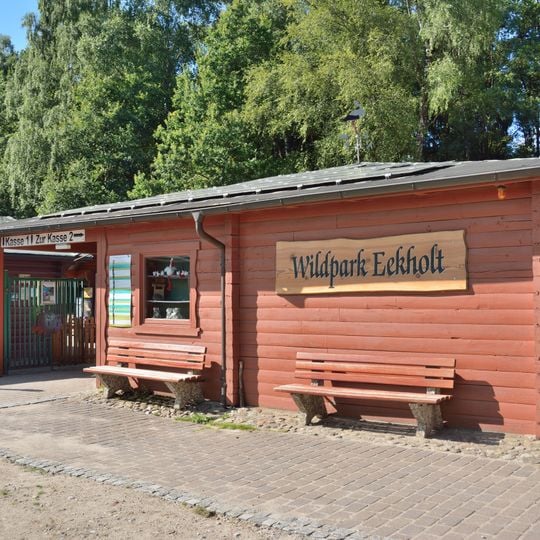
Eekholt Wildlife Park covers 67 hectares of forest and moorland crossed by the Osterau river and its floodplain meadows. It keeps about 100 Central European species with over 700 animals in near-natural enclosures. The entrance building has red-painted horizontal timber cladding, a dark sloped roof with light edge trim, and a wooden sign reading "Wildpark Eekholt"; two backless wooden benches stand on the paved forecourt.
Founded in 1970 by Hans-Heinrich Hatlapa, the park initially served as a research area for red deer. Over time it developed into a wildlife park dedicated to protecting various Central European species.
The park is home to the Wolf Information Centre of Schleswig-Holstein, where visitors can learn how wolves live and behave. It also serves as a centre for environmental education, recognised in 1999 as a Regional Pedagogical Environment Centre and in 2007 as an Education Partner for Sustainability.
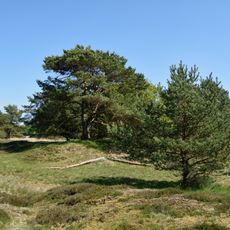
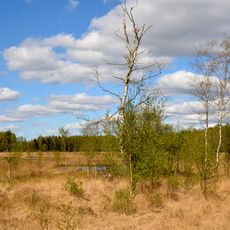
The park covers 67 hectares across the municipalities of Großenaspe, Bimöhlen and Heidmühlen, with the Osterau river flowing through it and adjoining floodplain meadows. The northern section, called Moor und Heide, is a recognised nature experience area of Schleswig-Holstein. The entrance building has a red timber facade, a wooden "Wildpark Eekholt" sign, and separate ticket counters marked Kasse 1 and Kasse 2, with wooden benches outside.
The park holds a rare colour variant of the red deer known in hunting language as Blesswild, and the wildlife filmmaker Heinz Sielmann shot several animal and television films about native wildlife here. In 1980 a gang of thieves stole, poisoned and mounted the last sea eagle breeding pair of the time, a setback for the breeding programme started in 1975 under the raptor specialist Heinz Brüll.
The community of curious travelers
AroundUs brings together thousands of curated places, local tips, and hidden gems, enriched daily by 93,669 contributors worldwide.