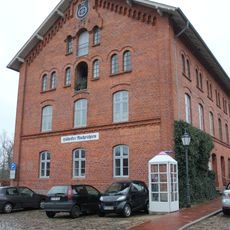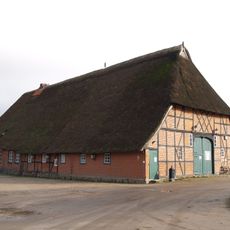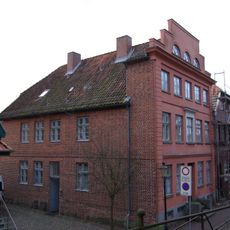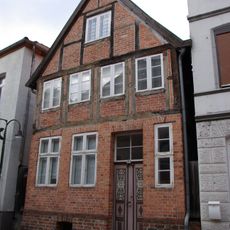
Stecknitz Canal, Medieval canal between Lauenburg and Lübeck, Germany
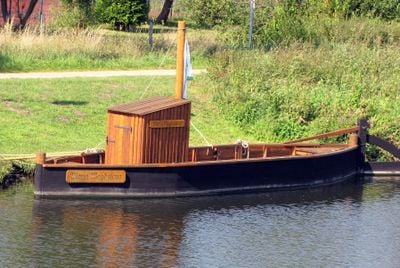
The Stecknitz Canal is a historic waterway built between 1391 and 1398 that connects the Stecknitz and Delvenau rivers. The passage crosses northern Germany linking the North Sea with the Baltic Sea through a series of locks and canal sections.
The waterway was constructed in the late 1300s to support salt trade from Lüneburg, with the first cargo arriving in 1398. This project was a major engineering achievement for its time, enabling the transport of heavy goods across long distances.
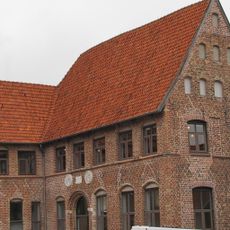
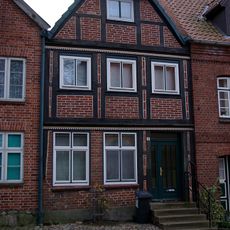
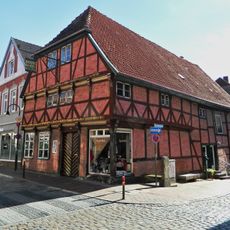
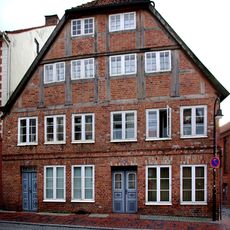
The waterway shaped life for communities along its banks, supporting merchant families and workers whose livelihoods depended on river trade. Local place names and customs still echo this maritime heritage in the towns and villages that grew around it.
Visitors can follow sections of the former canal route and gain insight into medieval engineering, particularly through the preserved Palmschleuse lock in Lauenburg. Using guided tours or information centers helps understand the route and its significance properly.
The Palmschleuse lock remains the only preserved original structure from the medieval era, displaying remarkable construction methods for the 1300s. Its survival makes the waterway a rare example of functioning medieval water engineering in Europe.
The community of curious travelers
AroundUs brings together thousands of curated places, local tips, and hidden gems, enriched daily by 91,306 contributors worldwide.