Solnhofen Limestone, Geological formation in Bavaria, Germany.
Solnhofen Limestone is a geological formation in Bavaria composed of extremely fine-grained limestone in thin beds separated by shale layers. The deposits formed roughly 150 million years ago in a shallow tropical sea and preserve fossils of various organisms from that ancient environment.
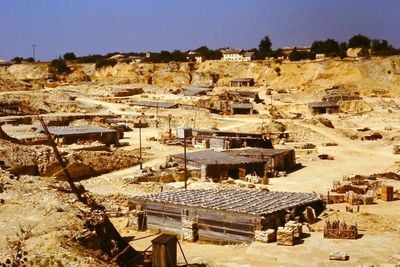
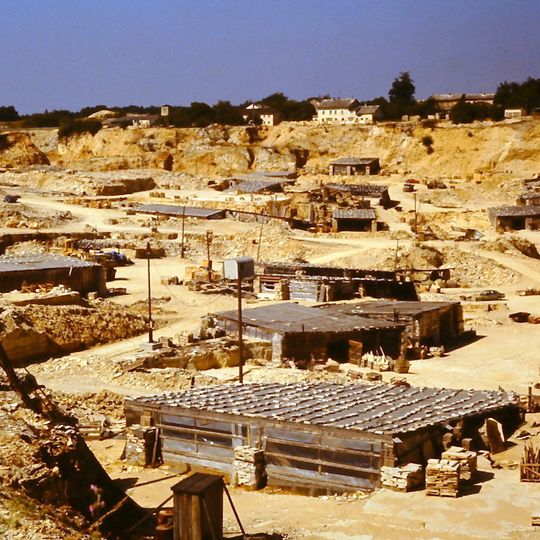
The limestone beds formed during the Jurassic period and were gradually buried and consolidated beneath layers of sediment over millions of years. In the 1800s, systematic quarrying began for lithography and building stone, which led to the discovery of numerous fossils preserved in the rock.
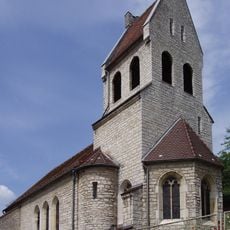
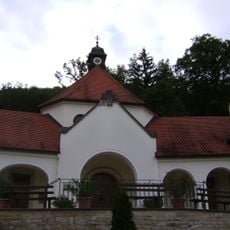
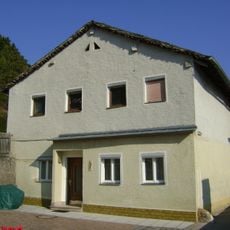
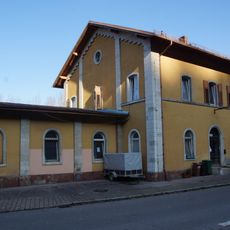
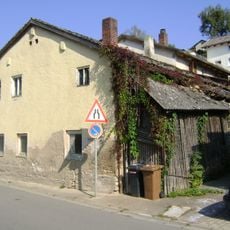
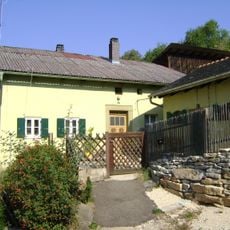
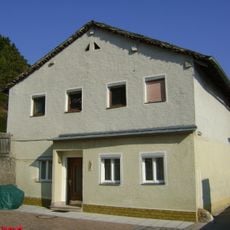
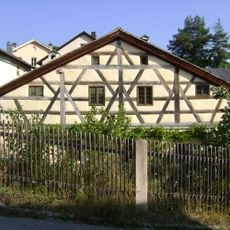
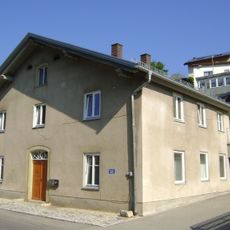
The limestone has shaped building traditions across Bavaria for centuries, as craftspeople valued it for sculptures, decorative elements, and architectural details. Walking through regional towns, you notice this pale stone in historic facades and traditional stonemason workshops that continue the craft today.
Some active quarries in the area allow visitors to observe extraction work from designated viewing areas. It is advisable to contact local quarries or visitor centers beforehand to find out which sites are open for visits, as access varies and many operate with strict safety restrictions.
The most famous discovery from these layers is a tiny specimen of Archaeopteryx, a creature showing features of both dinosaurs and birds. This fossil revealed for the first time that the boundary between these two animal groups was not as clear-cut as scientists had previously assumed.
The community of curious travelers
AroundUs brings together thousands of curated places, local tips, and hidden gems, enriched daily by 91,442 contributors worldwide.