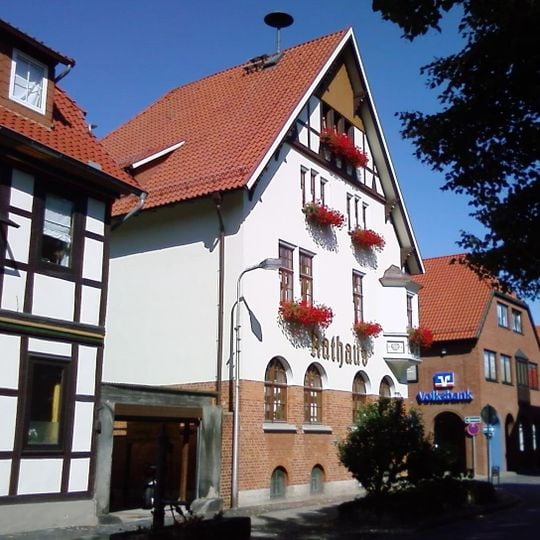
Gronau, municipality of Germany
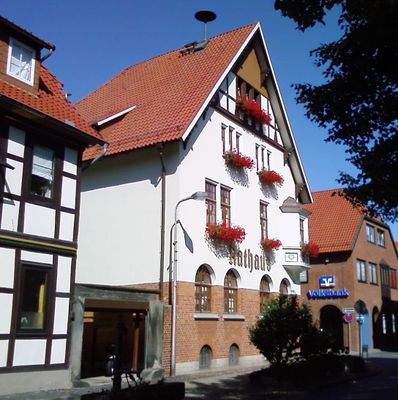
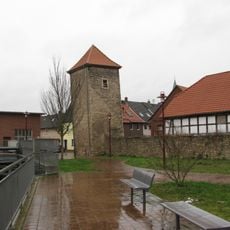
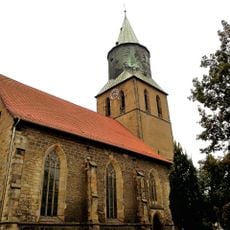
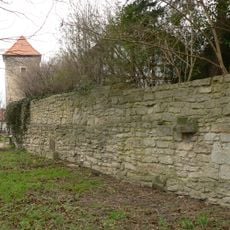
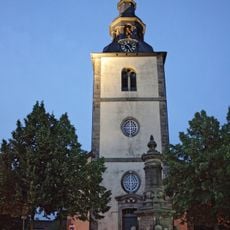
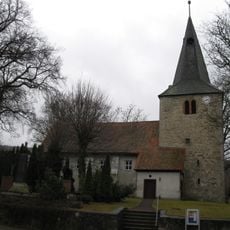
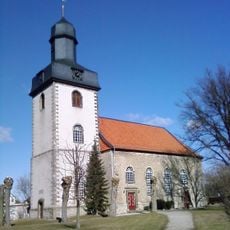
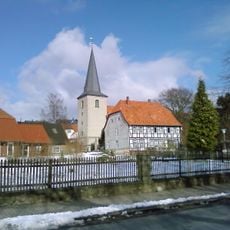
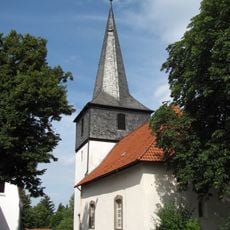
Gronau (Leine) is a small town in the Leinebergland area of Lower Saxony, set on a river island formed by two branches of the Leine, with a medieval street plan and timber-framed houses. The old town core is enclosed by remnants of former town walls with defensive towers, and the tower of St. Matthaeus Church rises above the rooftops.
Gronau was first recorded in 1298, when a bishop founded the settlement to support trade and secure the region. In 1427 the town joined the Hanseatic League, which brought a period of prosperity, though repeated fires, notably in 1518, destroyed large parts that were later rebuilt.
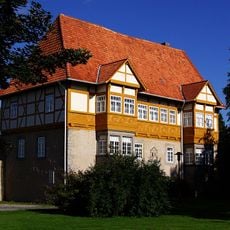
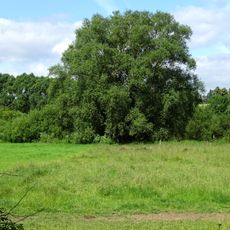
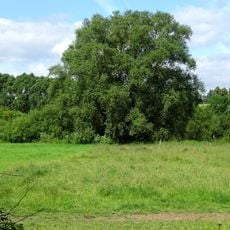
The name Gronau comes from the low-lying green meadows that line the branches of the Leine around the town. The timber-framed facades in the old town still show the typical patterns of traditional craftsmanship from the region, which visitors can see up close while walking through the narrow lanes.
The old town is easy to explore on foot, as the streets are close together and the two branches of the Leine act as natural landmarks for orientation. Those who want to explore the surrounding forests and meadows of the Leinebergland can rent a bike locally.
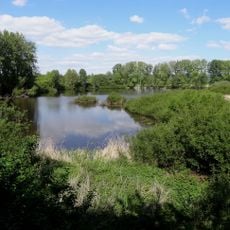
The town center sits on a true river island, entirely surrounded by two branches of the Leine, which gave the settlement both natural protection and a constant water supply. This layout is still noticeable today when walking through the center, as water frames the old town on both sides.
The community of curious travelers
AroundUs brings together thousands of curated places, local tips, and hidden gems, enriched daily by 90,862 contributors worldwide.