Oppidum of Manching, Celtic fortified settlement in Manching, Germany
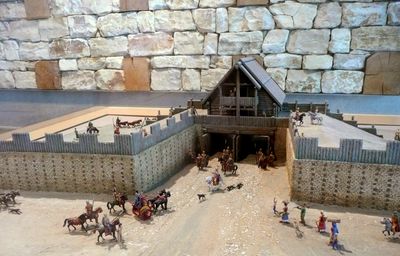
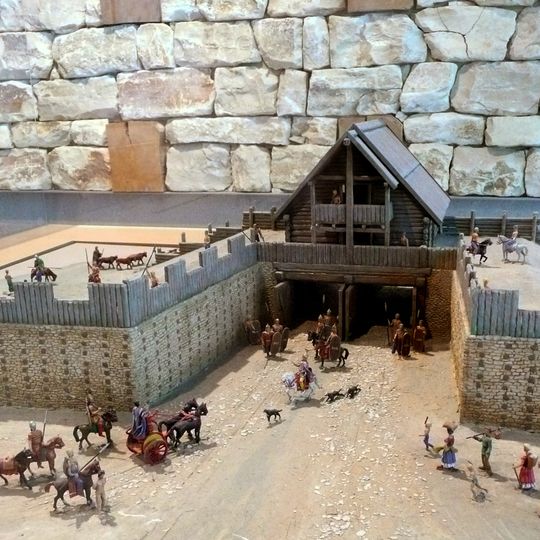
The Oppidum of Manching was a Celtic town in the plain near the Paar and Danube, not on a hilltop. Its 7.2 km wall, built around 150 BC in murus gallicus technique, enclosed 380 hectares; over 8 tons of nails went into it. Inside lay planned rectangular parcels, post houses of 40–100 m², workshops and a cult centre. The monumental gate complexes are shown in a model with stone base, wooden palisade and a beam tower.
The oppidum was founded in the 3rd century BC and existed until about 50–30 BC, reaching its greatest extent in the late 2nd century BC at 380 hectares within a 7.2 km wall. The first rampart was built around 150 BC in the murus gallicus technique, using more than 8 tons of nails. Paul Reinecke identified the ringwall as a Celtic oppidum in 1903; the Luftwaffe airfield of 1936–38 destroyed large parts of the site.
The site reveals workshops where people worked iron, made glass beads, and wove textiles as part of daily life. These crafts show how specialized the community had become.
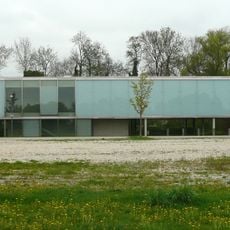
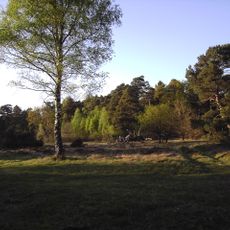
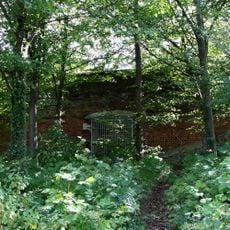
The site can be explored on foot and displays reconstructed wall sections to help understand the scale of the former fortifications. A nearby museum displays finds from excavations and helps visitors grasp daily life from that period.
The 7.2 km of murus gallicus rampart required more than 8 tons of iron nails, a figure calculated from the excavated wall remains. Excavators also found a measuring rod marked with bronze rings at intervals of half a Celtic foot (15.45 cm), matching the dimensions of many house ground plans.
The community of curious travelers
AroundUs brings together thousands of curated places, local tips, and hidden gems, enriched daily by 92,935 contributors worldwide.