Frauenzell Abbey, Benedictine monastery in Brennberg, Germany
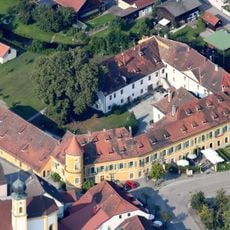
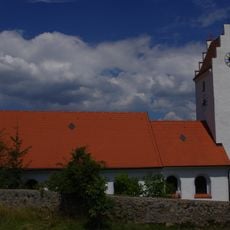
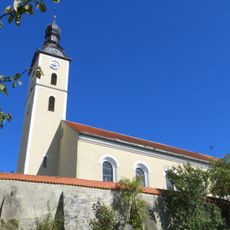
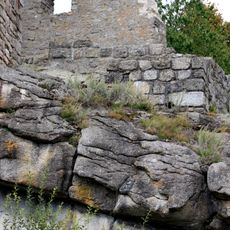
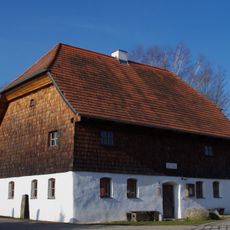
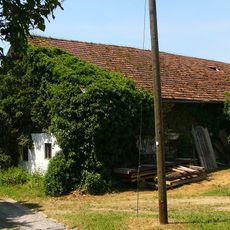
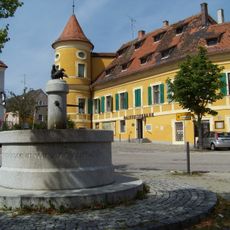
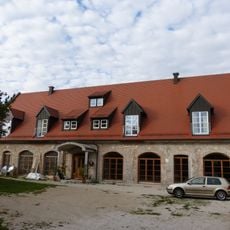
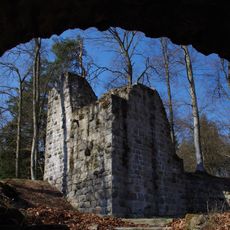
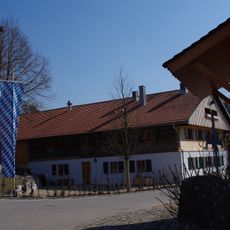
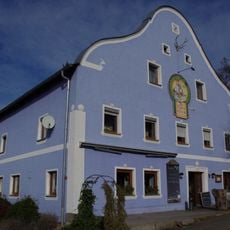
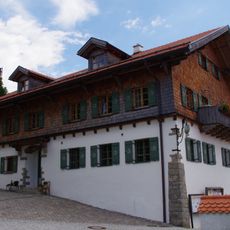
Frauenzell Abbey is a Benedictine monastery in Brennberg that consists of multiple connected buildings arranged around a central church. The complex displays medieval architectural features with stone walls, a cloister courtyard, and adjoining structures that housed both religious and communal activities.
Two citizens of Straubing and Donaustauf settled as hermits near Brennberg around 1312; Count Reimar IV von Brennberg gave them land in 1317/1320, and Bishop Nicholas of Regensburg confirmed the foundation in 1324 under the Rule of Saint Benedict. Raised to a priory in 1351 and an abbey in 1424, it was dissolved in 1803 during secularisation, after which the church became a parish church and other buildings were sold to villagers.
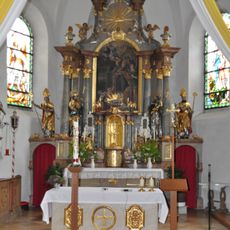
The monastery is no longer active: it was dissolved in 1803, and its church has served as a parish and pilgrimage church since then. The name comes from "Marienzell" or "Unserer Lieben Frauen Zell", given when the first church was consecrated in 1325. The statue of the Virgin Mary, venerated as miraculous since 1623, was saved from the Swedish troops' devastations of 1632–34 and now stands at the centre of the main altar.
The site is located in Brennberg and welcomes visitors interested in exploring its architecture and religious heritage. It is best visited during daylight hours, and comfortable shoes are recommended as you will walk through outdoor areas and pathways.
The miraculous statue of the Virgin Mary, venerated since 1623, survived the Swedish troops' devastations of 1632–34 and now stands at the centre of the Baroque high altar, built under Abbot Wolfgang Krieger (1766–1788).
The community of curious travelers
AroundUs brings together thousands of curated places, local tips, and hidden gems, enriched daily by 93,925 contributors worldwide.