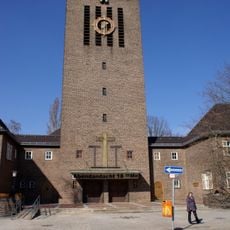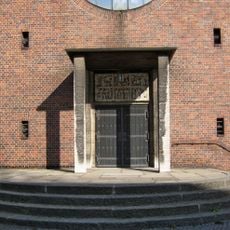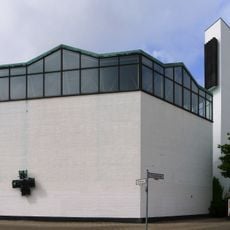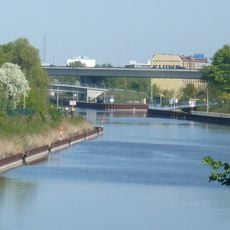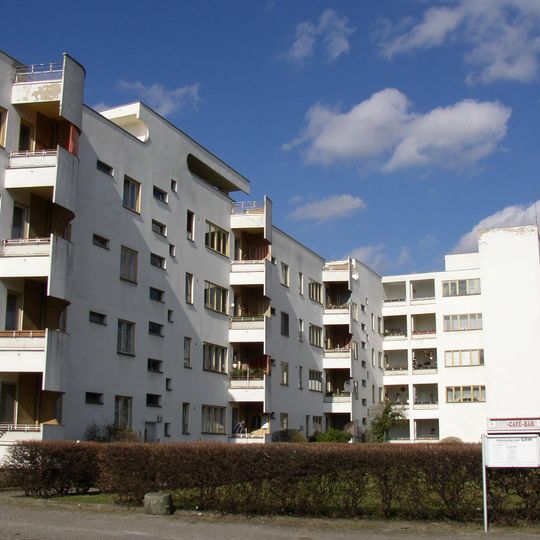
Großsiedlung Siemensstadt, Modernist housing estate in Charlottenburg-Nord, Germany.
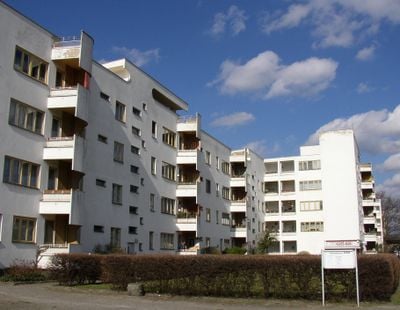
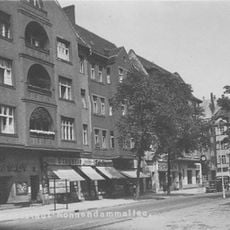
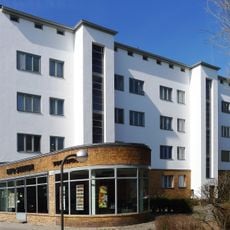
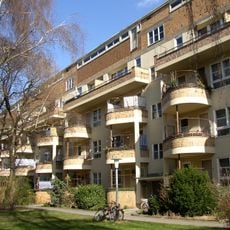
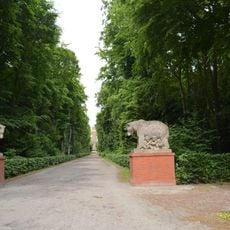
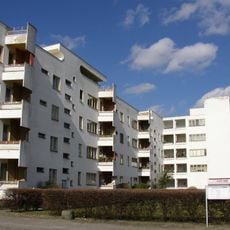
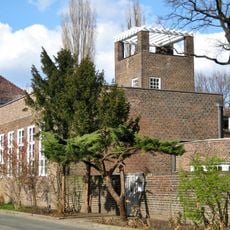
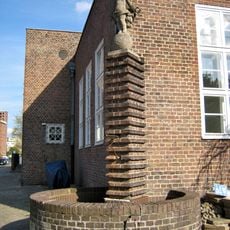
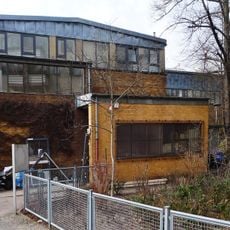
Großsiedlung Siemensstadt is a modern residential complex in Berlin-Charlottenburg with multi-story apartment buildings displaying clean lines, functional design, and large windows that flood the spaces with natural light. The individual blocks show different architectural approaches side by side, creating a varied ensemble where each section maintains its own character while contributing to the whole.
The settlement was built between 1929 and 1931 as a housing project for workers at the nearby Siemens factory, with six prominent architects including Walter Gropius and Hans Scharoun collaborating on different sections. This endeavor marked a turning point in modern residential architecture by demonstrating how diverse designs could be unified into a coherent whole.
The settlement stands as part of the Berlin Modernism Housing Estates, receiving UNESCO World Heritage status in 2008 for its contribution to 20th-century architecture.
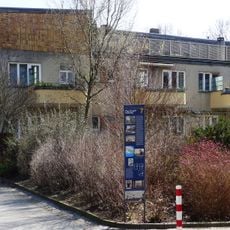
The estate can be explored on foot with most apartments still occupied, preserving its original residential purpose and daily activity. Information panels positioned throughout the complex explain the distinct architectural sections, helping visitors understand the design choices made by each architect.
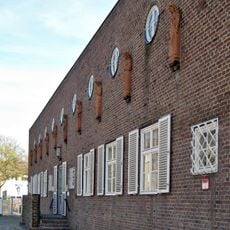
Hans Scharoun incorporated maritime qualities into his buildings through circular windows resembling portholes, while Hugo Häring experimented with organic balcony forms and warm building materials in his section. These differences are clearly visible while walking through the estate and reveal how each architect brought individual vision to the shared project.
The community of curious travelers
AroundUs brings together thousands of curated places, local tips, and hidden gems, enriched daily by 91,846 contributors worldwide.