Gropiusstadt, Residential neighborhood in Neukölln, Germany
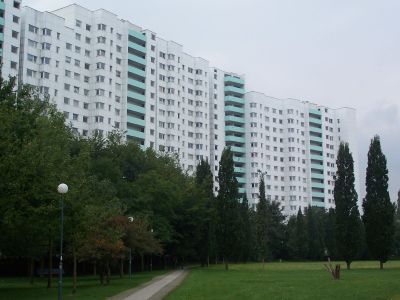
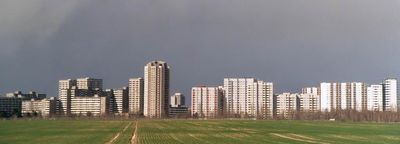
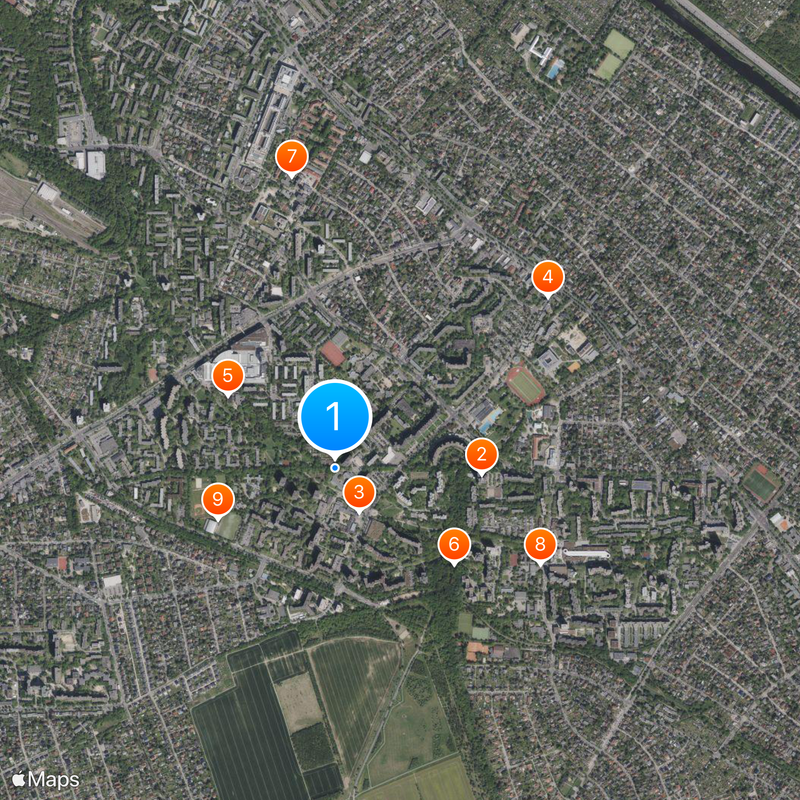
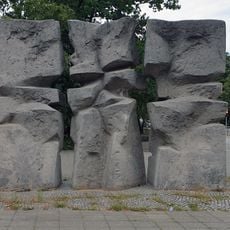
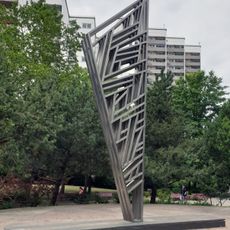
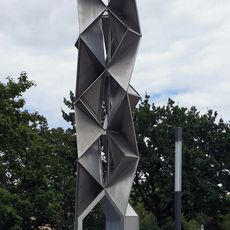
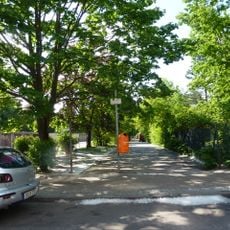
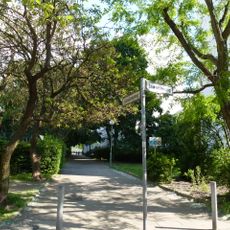
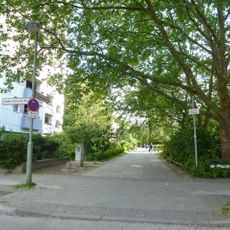
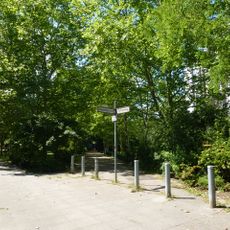
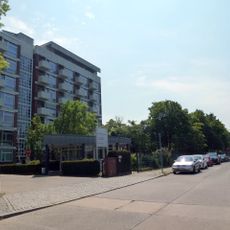
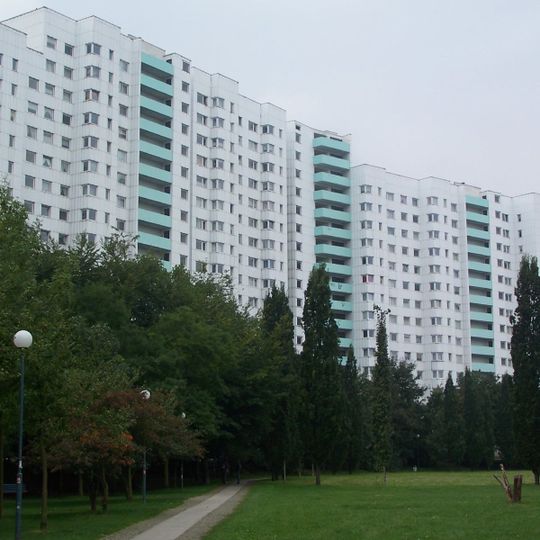
Gropiusstadt is a residential area in southeast Berlin, part of the Neukölln district, covering roughly 2.7 square kilometers (about 1 square mile). The layout consists mainly of multi-story apartment blocks separated by wide pedestrian paths and landscaped open areas.
Planning for the area began in 1957 under the direction of Walter Gropius, with the first residents moving in during the early 1960s. Originally called Britz-Buckow-Rudow, the site later received its current name in honor of the architect.
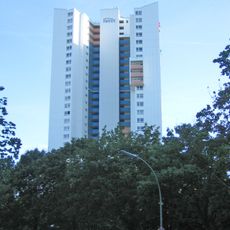
Named after Bauhaus founder Walter Gropius, this area reflects his modernist vision through its layout of tower blocks surrounded by green spaces. The design creates a particular sense of openness and distance between buildings, still shaping how residents move and meet in their everyday routines.
Four U7 metro stations connect the area to central Berlin and provide easy access to the Gropius Passagen shopping center. Wide pathways between buildings make orientation straightforward, and the open layout is generally accessible for visitors with limited mobility.
The eastern edge borders Schönefeld municipality in Brandenburg, placing part of the area directly at the city limit of Berlin. This position makes it one of the few residential districts in Berlin that transitions directly into another municipality.
The community of curious travelers
AroundUs brings together thousands of curated places, local tips, and hidden gems, enriched daily by 92,523 contributors worldwide.