Niers, River system in North Rhine-Westphalia, Germany and Limburg, Netherlands
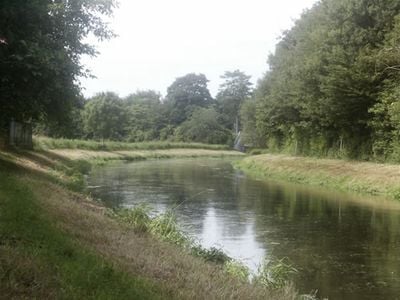
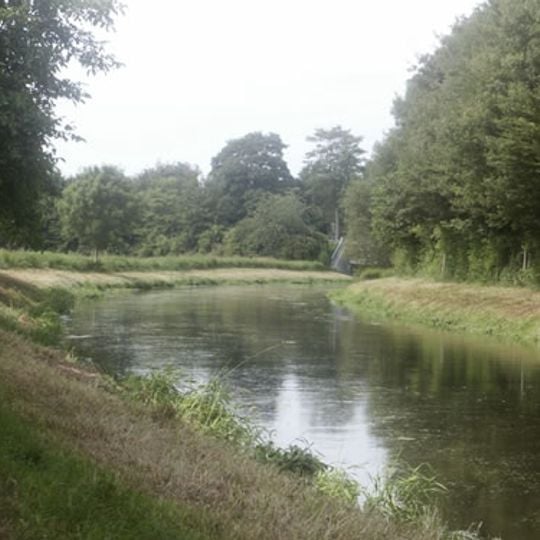
The Niers is a river system in North Rhine-Westphalia and the Netherlands that originates near Erkelenz and flows into the Meuse River at Gennep after traveling about 116 kilometers. Along its course, it passes through different landscapes ranging from developed areas to more open natural spaces.
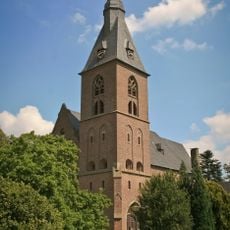
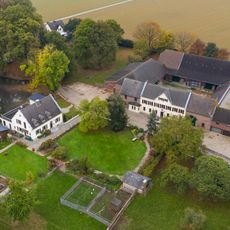
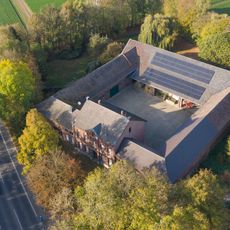
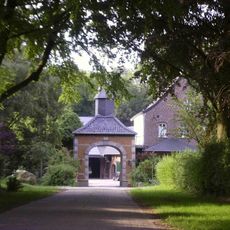
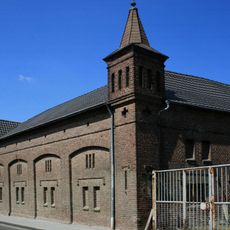
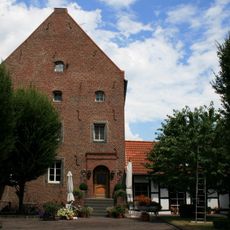
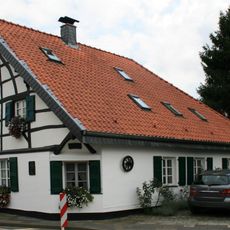
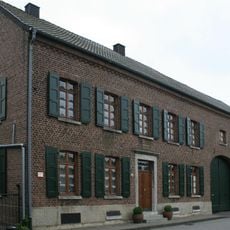
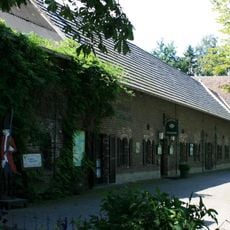
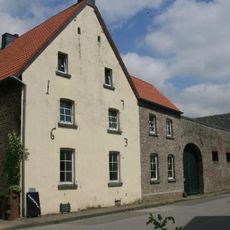
The river served as an important power source during the industrial period for numerous mills that operated along its banks. More than twenty of these historical structures still stand today, showing the waterway's former economic importance.
The river shaped the identity of towns like Mönchengladbach, Viersen, and Goch that grew along its banks. Today, local communities continue to use this waterway and its surroundings as a place for recreation and as part of their local character.
A cycling path runs along the river for about 100 kilometers from Mönchengladbach to Gennep, with electric bike rental stations in several towns. The route is relatively flat and well-marked, making it accessible to different types of cyclists.
The river flows through a basin of about 1,373 square kilometers (530 square miles) that contains several protected natural areas and provides habitat for specialized plants and animals. These protected areas show how important the waterway is for preserving natural diversity between Germany and the Netherlands.
The community of curious travelers
AroundUs brings together thousands of curated places, local tips, and hidden gems, enriched daily by 60,000 contributors worldwide.