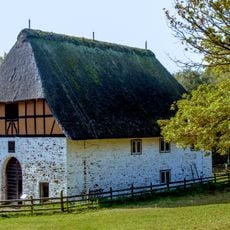
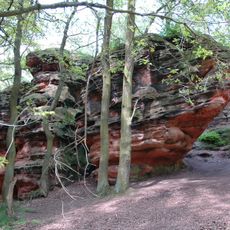
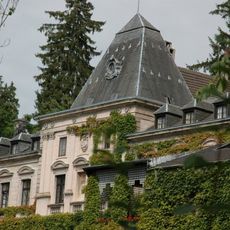
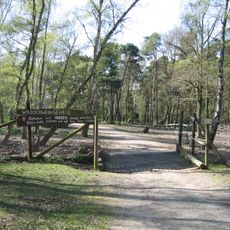
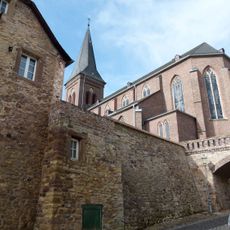
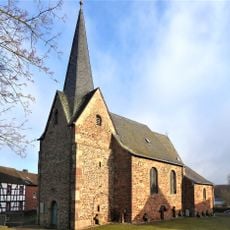
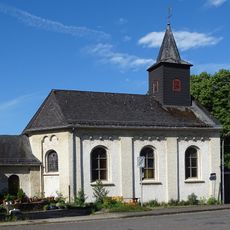
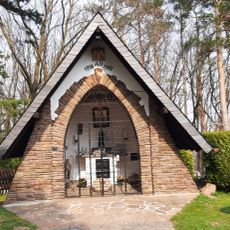
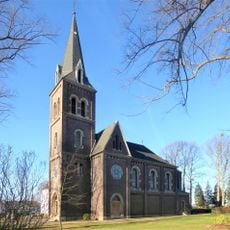
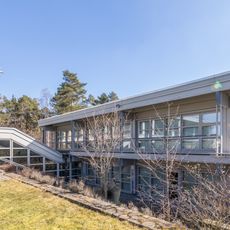
Mechernich Mining Museum, Mining museum in Mechernich, Germany
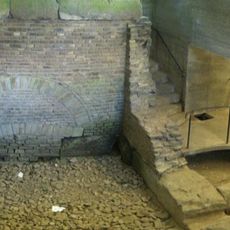
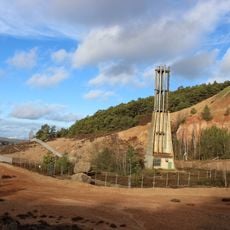
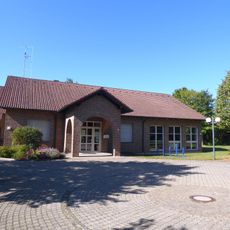
The Mechernich Mining Museum consists of the Grube Günnersdorf mine and a building housing a workshop exhibition of tools and photographs from Eifel lead mining. The visitor mine opened in 1995, and the former industrial site of the Mechernicher Werke can also be visited. The mine lies on the roughly 60 km Bleialf-Rescheid-Mechernich vein system.
The Grube Günnersdorf mine closed in 1957, ending lead mining in the Eifel region. It was the last of six mines along the roughly 60 km Bleialf–Rescheid–Mechernich vein system, which also included Reuland in Belgium, Bleialf, Hellenthal, Schmidtheim and Kall. The mining museum opened in 1995, and visitors can now enter the former mine.
The museum preserves objects and documents that show how miners lived and worked in this region, connecting visitors to the real experiences of local mining families.
The museum opens on weekday afternoons and weekend mornings, though schedules can vary seasonally. Plan to dress warmly if you enter the working visitor mine, where underground conditions are considerably cooler.
The mine lies on the roughly 60 km Bleialf-Rescheid-Mechernich vein system, where six mines once worked in a row from Reuland in Belgium through Bleialf, Hellenthal, Schmidtheim and Kall to Günnersdorf. Around the closed mine remain Europe's largest lead deposits, about 5% of the world's, left unmined for economic reasons.
The community of curious travelers
AroundUs brings together thousands of curated places, local tips, and hidden gems, enriched daily by 92,880 contributors worldwide.