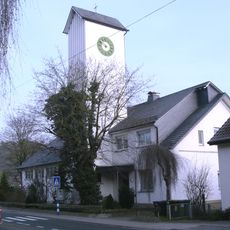
Bergbaumuseum Siciliaschacht, Mining museum in Lennestadt, Germany.
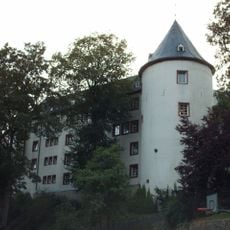
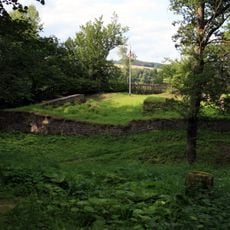
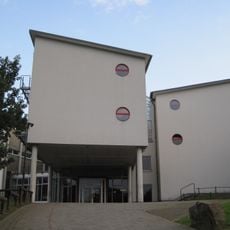
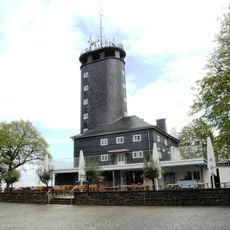
The Bergbaumuseum Siciliaschacht in Lennestadt's Meggen district occupies the former Sicilia shaft of the Sachtleben company. Its preserved headframe, two engine halls and hoisting machines, listed as monuments in 1997, stand beside a visitor platform on the Siciliaplateau overlooking Meggen and Maumke.
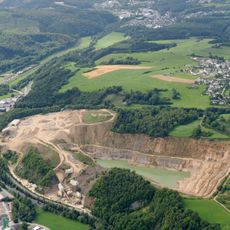
Pyrite was mined around Meggen from the early 1850s, mainly for sulphuric acid production, and the Lennetal railway of the 1860s boosted the trade. In 1913 Sachtleben acquired the majority of the Gewerkschaft Sicilia; before World War I annual output reached 150,000–200,000 t. By the late 1920s the Meggen pits led the world in baryte, with 22 percent of world output, and in 1943 over 4,000 workers extracted more than 1 million t. Mining ended on 31 March 1992.
The museum displays old photographs and personal items that bring the lives of local miners to light. You see how daily work underground looked and what craft techniques miners relied on every day.
The museum has limited opening hours and is mainly accessible on weekends. Visitors should check ahead if guided tours are available, as these offer a richer experience of the collection.
The museum is partly run by former miners who share their first-hand accounts of underground life. This direct connection to workers who lived through these experiences makes the visit particularly personal.
The community of curious travelers
AroundUs brings together thousands of curated places, local tips, and hidden gems, enriched daily by 94,515 contributors worldwide.