Palatinate Forest-North Vosges Biosphere Reserve, Transboundary biosphere reserve in Rhineland-Palatinate and Grand Est, Germany and France
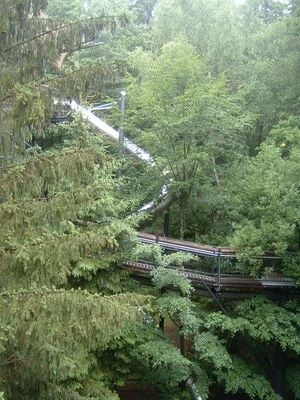
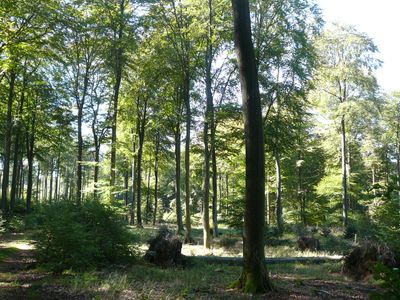
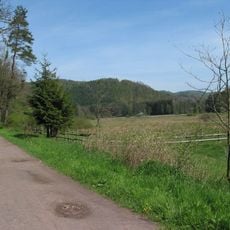
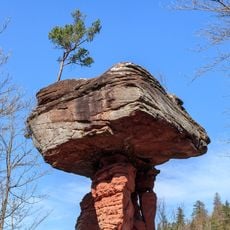
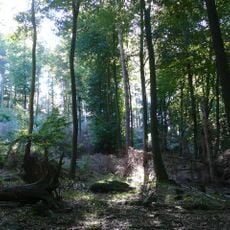
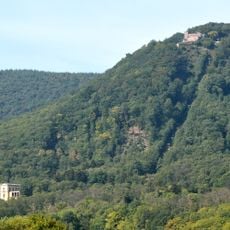
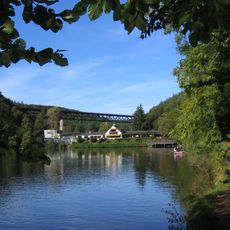
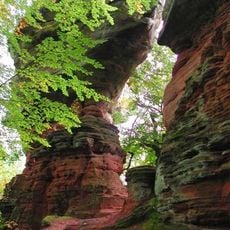
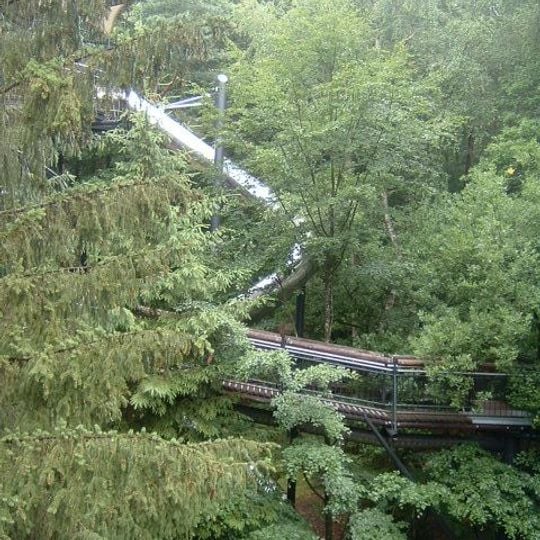
The Palatinate Forest-North Vosges Biosphere Reserve is a cross-border protected area spanning the German state of Rhineland-Palatinate and the French region of Alsace. It covers dense forests of pine, beech, and oak, cut through by sandstone cliffs, quiet valleys, and small streams.
The reserve was recognized by UNESCO in December 1998 as the first cross-border biosphere reserve in Europe. It grew from two separate protected areas, one on each side of the border, which were brought together under shared management.
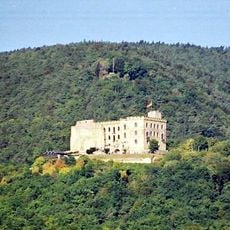
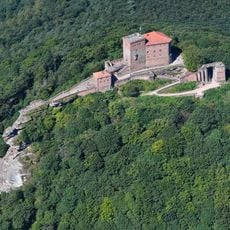
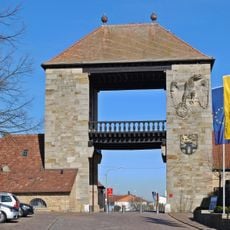
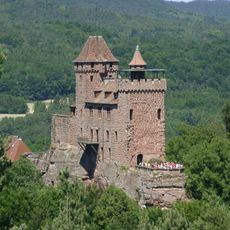
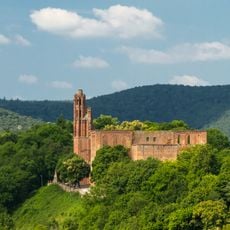
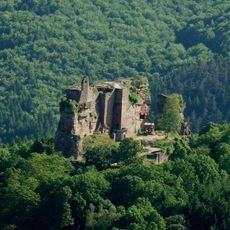
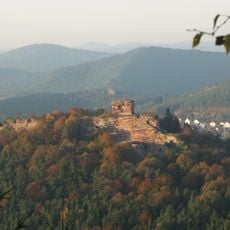
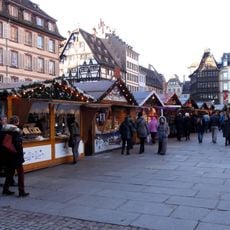
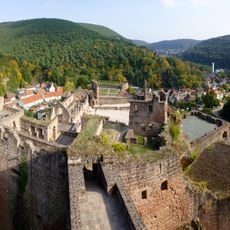
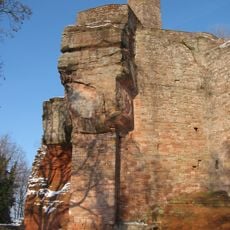
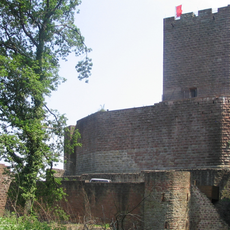
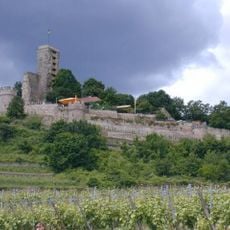
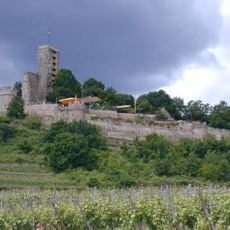
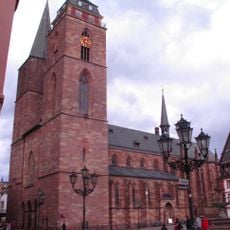
Ruined castles sitting on sandstone rocks above the trees are a common sight on both sides of the border and many can be visited on foot. The villages nearby share similar building styles and cooking traditions, shaped by centuries of life between two countries.
The reserve can be explored on foot, by bike, or on horseback, with marked routes linking forests, rocks, and villages on both sides of the border. Sturdy shoes and a paper map are a good idea, as some paths pass through remote stretches where phone signal can be weak.
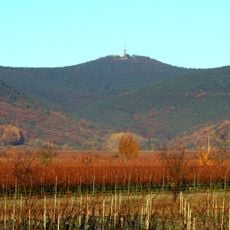
The lynx had disappeared from this region during the 20th century and was successfully reintroduced, making it one of the few places in Central Europe where the animal can occasionally be spotted in the wild. Within the reserve, some farmers grow almonds and wine grapes, which is unusual at this latitude.
The community of curious travelers
AroundUs brings together thousands of curated places, local tips, and hidden gems, enriched daily by 92,023 contributors worldwide.