Knoblauchsland, Agricultural region in Nuremberg, Germany
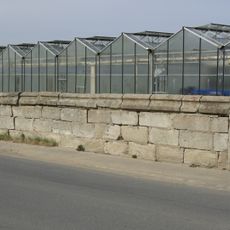
Knoblauchsland is a sprawling vegetable-growing region situated between Nuremberg, Fürth, and Erlangen, serving as one of the most important agricultural zones in the area. More than a hundred farms operate here using specialized irrigation methods that allow them to grow diverse vegetables throughout the year.
Agricultural structures in this area first developed in the 8th century, when royal estates were established in Aurach, Fürth, and Nuremberg. These early settlements formed the foundation for what would eventually become a major vegetable-growing center.
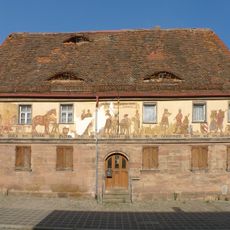
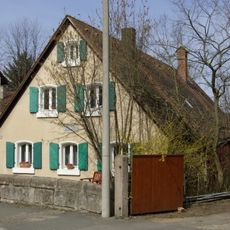
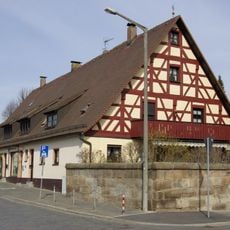
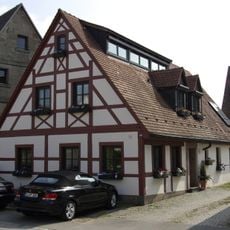
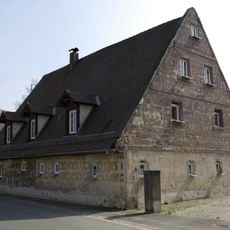
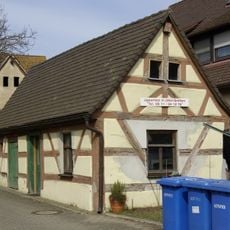
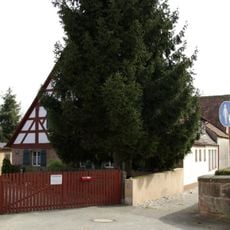
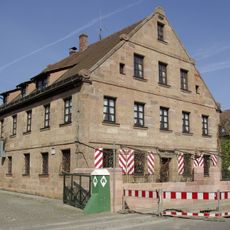
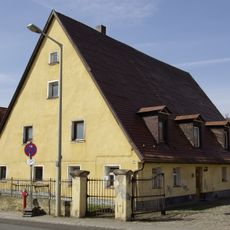
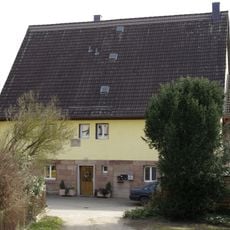
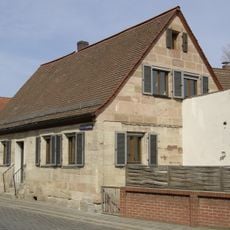
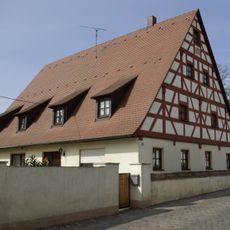
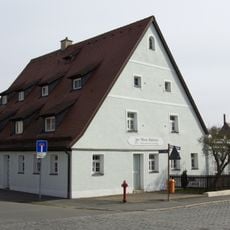
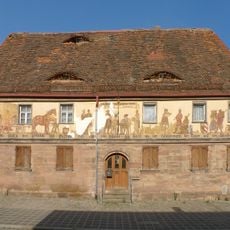
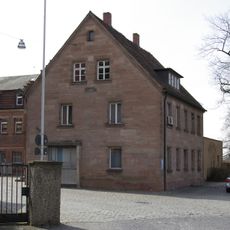
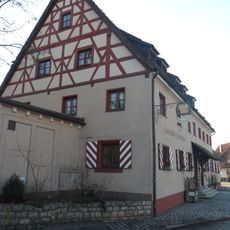
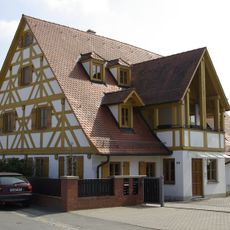
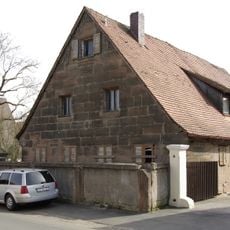
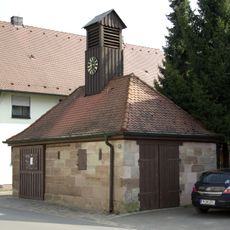
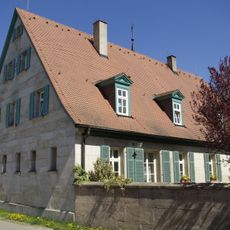
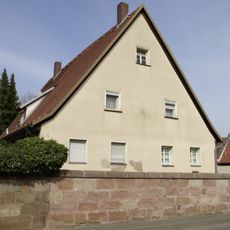
The churches and estates scattered across the region tell the story of a long partnership between city and countryside, where farmers have supplied urban markets for centuries. Walking through the area, you see how villages and fields remain interwoven, reflecting this living connection between producers and consumers.
The best time to explore is during the growing season when fields are actively planted and farm activities are visible. The region is accessible by small country roads and there are several walking and cycling routes that wind through the farms and villages.
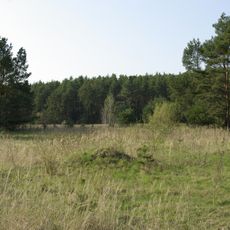
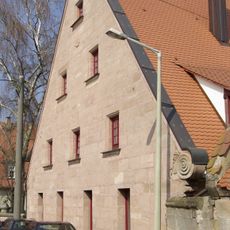
The soil here has a distinctive brown earth composition formed from sandstone layers, which creates particularly favorable conditions for growing vegetables. This natural soil composition allows farmers to cultivate an unusually wide range of vegetable varieties in a single location.
The community of curious travelers
AroundUs brings together thousands of curated places, local tips, and hidden gems, enriched daily by 60,000 contributors worldwide.