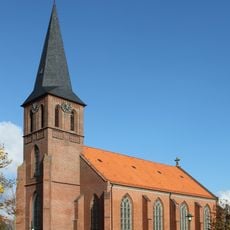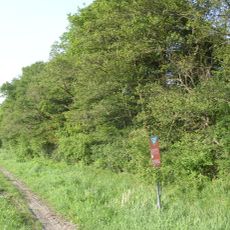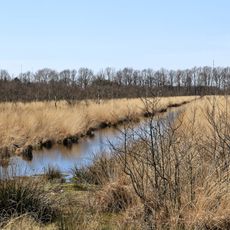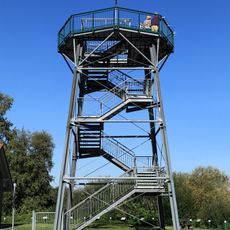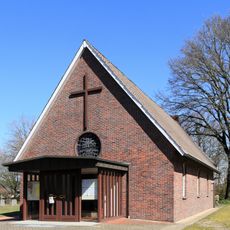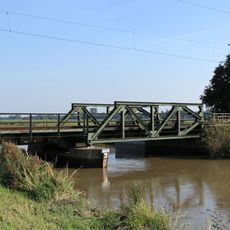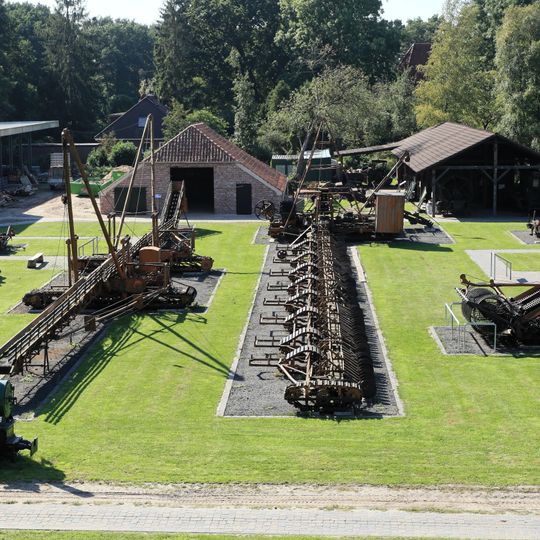
Moor- und Fehnmuseum Elisabethfehn, Peat and fen museum in Barßel, Germany.
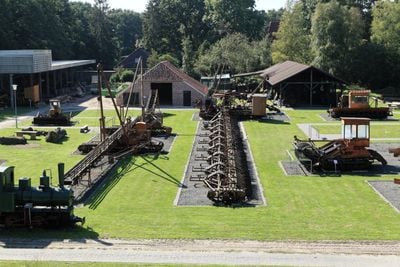
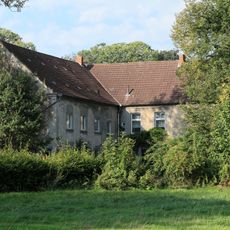
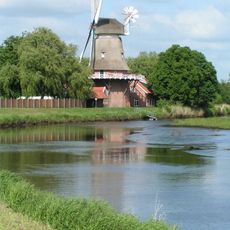
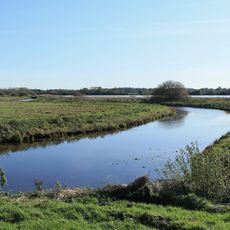
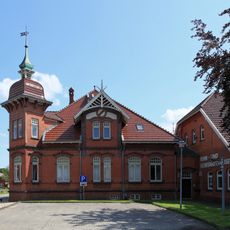
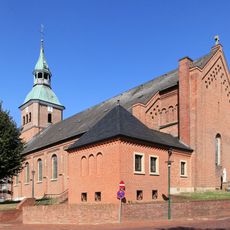
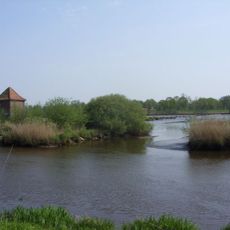
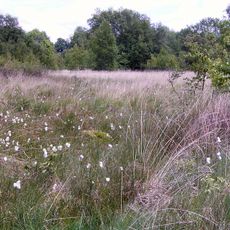
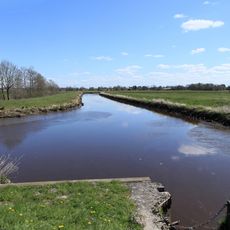
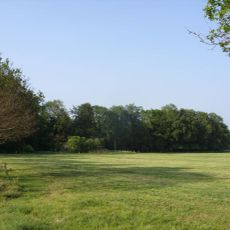
The Moor- und Fehnmuseum Elisabethfehn presents the history of peat extraction and life in the moorlands through machinery, tools, and objects spanning several centuries. The site spreads across open grounds along a canal, where historical buildings including a canal keeper's residence and a traditional fen house stand as examples of regional architecture.
The museum was established to preserve the traditions of moorland settlement and peat extraction that defined this region for centuries. The Elisabethfehn settlement itself developed systematically, and the remaining buildings document different phases of this development.
The name Elisabethfehn honors the founder of this settlement, and the displays show how people built lives here across generations. The collections reveal how closely residents were tied to the water and peat that shaped their daily existence.
The museum sits along the canal and is easy to reach on foot or by bicycle, ideal for a half-day visit. The open grounds are walkable, though sturdy footwear is recommended since the ground conditions vary depending on the weather.
Among the collections is the skeleton of a boy from Esterweger Dose, roughly 900 years old, offering a rare glimpse into the people who lived in this moorland region during medieval times. Seeing this archaeological find in a peat museum connects past human history directly to the landscape itself.
The community of curious travelers
AroundUs brings together thousands of curated places, local tips, and hidden gems, enriched daily by 91,684 contributors worldwide.