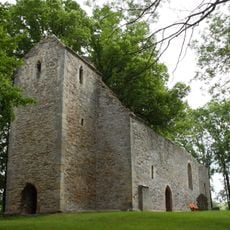
Burg Bilstein, Medieval castle ruins in Albungen, Germany.
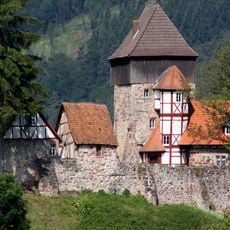
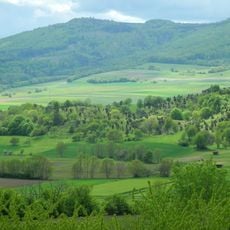
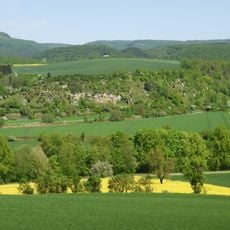
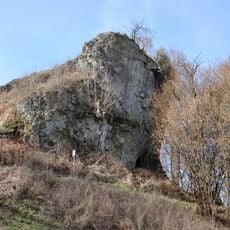
Burg Bilstein is a medieval castle ruin perched on a hilltop near Albungen in Hesse with visible stone walls and foundation structures. The site offers views across the surrounding landscape and displays characteristic features of a defensive fortification from that era.
The counts of Bilstein rebuilt the castle in 1120 under Count Rugger II, on a 40 by 25 metre footprint, after an earlier structure was destroyed around 1100. Landgrave Albrecht of Thuringia besieged and took it in 1291. In 1301 the last count, Otto II, sold it to Landgrave Henry I of Hesse; it was repaired from 1559 to 1562 and demolished in 1594.
The name Bilstein passed from the castle to the counts who ruled from it: from about 1140/45 Rugger II and his descendants called themselves "von Bilstein", and the name was later applied to ancestors back to Wigger I. Count Rugger II founded Germerode Monastery in 1144/45 and endowed it richly with his heirs. The last count, Otto II, sold the castle and all his lands to Landgrave Henry I of Hesse in 1301 and died impoverished in 1306.
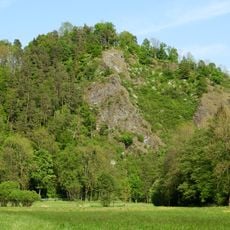
The ruins sit on a hilltop and are accessible via marked hiking trails that depart from Albungen. You should wear sturdy footwear and be aware that some remains are unfenced and require careful footing.
The castle was probably built on the remains of an earlier, destroyed fortification. Count Rugger II rebuilt it in 1120 on a 40 by 25 metre footprint, and from about 1140/45 his family called itself von Bilstein. The last count, Otto II, sold the castle to Landgrave Henry I of Hesse in 1301 and died impoverished in 1306.
The community of curious travelers
AroundUs brings together thousands of curated places, local tips, and hidden gems, enriched daily by 93,569 contributors worldwide.